
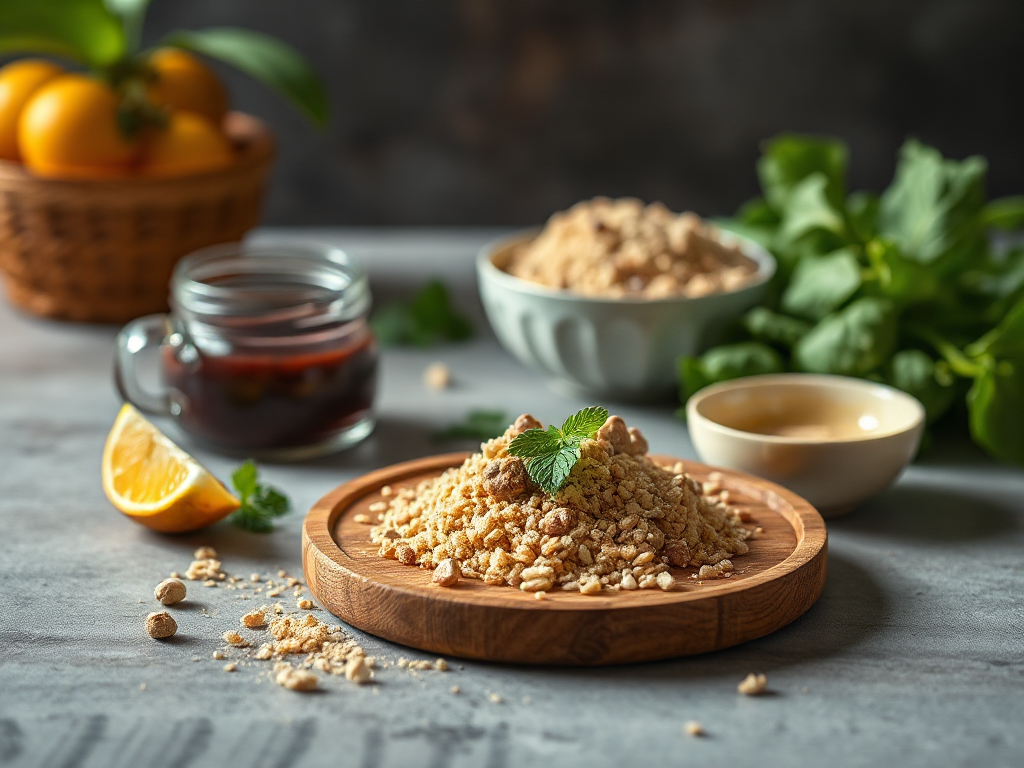
Identify the right superfoods for energy by matching nutrient-dense foods to your actual energy pattern, meal timing, digestion, and total diet rather than choosing by reputation alone. Prioritize slow-digesting carbohydrates such as oats or quinoa, protein-rich options such as beans or seeds, and produce that adds micronutrients without replacing balanced meals. Check whether a choice provides steady fuel, fits your portion and preparation habits, and avoids added sugar that can create a brief lift followed by a slump. Introduce one option at a time, track alertness and hunger for several days, and treat persistent fatigue as a reason to discuss possible medical causes with a qualified professional.
Define the Energy Problem Before Choosing a Superfood
The best choice depends on what “low energy” means in your day. A midmorning dip after a sweet breakfast points toward a different meal design than sluggishness caused by skipping lunch, eating too little, poor sleep, dehydration, or an underlying health issue. Calling every tired period a need for a superfood encourages random purchases and makes it difficult to tell what actually helped.
Begin with a three-day observation rather than a supplement haul. Record when your energy falls, what you ate beforehand, how long the meal kept you satisfied, your fluid intake, and whether caffeine changed the pattern. Notice whether the problem is physical hunger, mental fatigue, sleepiness after eating, or reduced stamina during activity. Oats with berries may suit someone who needs a substantial breakfast, while pumpkin seeds added to yogurt may be more appropriate for someone who already eats enough carbohydrate but needs a portable, filling addition.
A useful distinction is immediate stimulation versus sustained fuel. Coffee, cocoa, or a sweetened fruit product may feel energizing quickly, but that sensation does not necessarily mean the food supplied a balanced source of energy. Beans, lentils, intact grains, nuts, seeds, and fruit tend to work through a meal pattern that provides carbohydrate, fiber, and sometimes protein or fat. They are not guaranteed treatments for fatigue, and they cannot compensate for consistently inadequate sleep or an overly restrictive diet.
Common mistakes include selecting an expensive powder because its label uses the word “energy,” choosing a food solely for its antioxidant reputation, or adding a new ingredient without changing a meal that was already too small. If fatigue is persistent, worsening, accompanied by shortness of breath, dizziness, unexplained weight change, or other concerning symptoms, food experimentation should not replace medical evaluation.
Match Nutrients to Steady Fuel
Energy-supportive choices are usually judged by the whole nutrient pattern, not by a single headline compound. Carbohydrates supply the body’s readily available fuel, while protein and fat can make a meal more filling and slow the overall pace of digestion. Fiber-rich foods may help create a steadier eating pattern, although individual tolerance varies. Iron, vitamin B12, folate, magnesium, and other nutrients matter for normal body functions, but eating one celebrated ingredient does not automatically correct a deficiency.
For a breakfast or lunch that must last several hours, compare a sweetened smoothie with a bowl containing oats, unsweetened yogurt or a suitable alternative, berries, and ground seeds. The second option offers a more structured combination of carbohydrate, protein, fiber, and fat. A smoothie can also be well designed, but a drink made mostly from fruit juice or sweeteners may be less satisfying because it is easy to consume quickly and may contain little protein or fiber.
Use the label and the ingredient list to separate a genuine food choice from a concentrated product with a health-oriented name. Look for added sugars, serving size, protein content, fiber, sodium, and whether the product is intended to replace a meal or merely complement one. Chia seeds, hemp seeds, walnuts, lentils, leafy greens, berries, cacao, and oats can all fit an energy-focused diet, but their roles differ. Seeds contribute fat, fiber, and some protein; lentils provide carbohydrate and plant protein; berries add carbohydrate and flavor but are not a complete meal.
More is not automatically better. A large serving of nuts or seeds can be calorie-dense, and a sudden increase in beans or certain fiber-rich products may cause bloating. Conversely, avoiding carbohydrate because it is associated with energy crashes can leave an active person under-fueled. Choose the nutrient combination that matches the task: a balanced meal for a long work block, a smaller carbohydrate-containing snack before activity, or a protein-and-produce addition when the preceding meal was already carbohydrate-heavy.
Test Digestion, Portions, and Meal Fit
A nutritious ingredient is only useful when you can eat it comfortably, in a realistic amount, and often enough to affect your routine. Digestive comfort, allergies, dietary restrictions, cooking time, cost, and portability all influence whether a choice belongs in your plan. A food that looks impressive on paper but remains unused in the cupboard has no practical value.
Introduce one candidate at a time and keep the rest of the meal familiar. For example, add a tablespoon of chia to a breakfast you already tolerate, or replace part of a refined grain serving with quinoa at lunch. Give yourself several opportunities to observe hunger, concentration, stomach comfort, and afternoon cravings. This approach is more informative than adding maca, spirulina, multiple powders, and several herbal products simultaneously, because a positive or negative response becomes impossible to attribute.
Portion matters as much as ingredient choice. A small serving of seeds can enrich oatmeal or a salad without displacing the meal; a very large serving may leave the dish heavy and reduce appetite for other foods. A cup of beans may be useful in a meal, but someone sensitive to legumes might begin with a smaller amount or choose lentils, tofu, or another protein source. Frozen berries and canned beans can improve affordability and convenience, while fresh specialty produce may be harder to maintain.
Watch for the mistaken assumption that “natural” means universally suitable. Whole foods can still trigger allergy symptoms, interact with personal dietary needs, or create discomfort when portions change abruptly. Products containing concentrated botanicals deserve extra caution because the amount consumed may be much higher than in ordinary food. If you have a diagnosed condition, take medication, are pregnant, or are considering concentrated supplements, ask a qualified clinician or pharmacist about suitability instead of relying on a marketing label.
Build a Practical Superfood Trial
A short, controlled trial turns a broad search into a decision. Choose one food, assign it a specific place in a meal, and define what success would look like before you begin. “More energy” is too vague; useful measures include fewer hunger distractions before lunch, a more stable afternoon, better tolerance during exercise, or less reliance on an extra sweet snack.
Use this compact process:
- Choose the role: decide whether the item is breakfast fuel, a snack component, a meal protein, or a nutrient-rich addition.
- Pair it sensibly: combine carbohydrate with protein, fiber, or fat when a longer-lasting meal is needed.
- Set a modest portion: use the package serving or a familiar household amount rather than assuming more will work better.
- Observe the response: note alertness, hunger, digestion, cravings, and convenience over several eating occasions.
- Keep or replace: retain it if it is tolerated, affordable, and useful; otherwise test a different food with a similar nutritional role.
Consider a desk worker who regularly skips lunch and then reaches for sweets at 3 p.m. A practical test might be lentils or chickpeas in a prepared grain-and-vegetable bowl, not a branded “energy” powder. Someone training early may need a small banana with yogurt before exercise and a fuller meal afterward, while a person who becomes sleepy after a large lunch may benefit from adjusting total portion and meal composition rather than adding another ingredient.

Signs the approach is failing include stomach discomfort, worsening hunger, dependence on stimulants, or no change despite adequate meals and fluids. The answer may be a schedule adjustment, more total food, better sleep, or professional assessment rather than a different superfood. Internal resources such as how to identify the right superfoods for energy can support comparisons, but the decision should remain grounded in your own response and dietary pattern.
Avoid Marketing Shortcuts and Keep the Plan Balanced
Marketing often turns one nutrient, color, or origin story into a promise about vitality. A credible choice deserves a closer look at its ordinary food role, preparation, and evidence. Spirulina may add protein and pigments but does not replace a varied meal; cacao can contribute flavor and minerals but may arrive with sugar; beetroot may fit some exercise routines, yet a beet-flavored product is not automatically a complete source of training fuel.
Whole-food context also matters. A smoothie can contain spinach, berries, oats, and yogurt, but the recipe still needs enough total energy for the person drinking it. Likewise, a salad topped with seeds may be nutrient-dense but insufficient as lunch if it lacks a substantial carbohydrate and protein source. Balance is not a fixed formula: appetite, activity, age, dietary pattern, and schedule change the appropriate combination.
Keep the plan economical by prioritizing foods that serve several purposes. Oats can provide breakfast carbohydrate and a base for seeds; beans can support soups, bowls, and spreads; frozen berries can be used without spoilage pressure; nuts can travel well but may need portion control. Specialty powders are optional, not a prerequisite for an energy-supportive diet. If a product has many active ingredients, unclear serving information, or strong promises, compare it with a recognizable food before buying.
The most reliable next step is a simple meal audit: identify the time of the energy dip, inspect the preceding meal for adequate food and useful pairings, then test one affordable ingredient in a repeatable portion. Readers seeking broader context can also revisit how to identify the right superfoods for energy when comparing options across breakfast, workdays, and exercise. Persistent fatigue still merits attention beyond nutrition.
Frequently Asked Questions
Which superfoods are most useful for steady energy?
Oats, beans, lentils, quinoa, fruit, nuts, and seeds can fit well because they contribute combinations of carbohydrate, fiber, protein, or fat. The best option depends on the meal and your tolerance.
Can a superfood replace coffee?
Usually not in the same immediate-stimulation sense. A balanced meal may support steadier nourishment, while caffeine affects alertness through a different mechanism and may not address inadequate sleep or persistent fatigue.
Should energy foods be eaten before or after exercise?
A carbohydrate-containing snack may suit some people before activity, while a meal afterward can combine carbohydrate and protein. Timing and portion should reflect exercise intensity, duration, and digestive comfort.
Are superfood powders better than whole foods?
Not by default. Powders may be convenient, but whole foods often provide clearer portions and a broader meal context. Check added sugars, ingredient complexity, and whether the product replaces or merely supplements food.
What if nutritious foods make me feel tired?
Review portion size, meal balance, hydration, digestion, and the timing of the slump. Ongoing or unexplained fatigue should be discussed with a qualified healthcare professional rather than managed solely through food changes.
Conclusion
Choosing an energy-focused superfood works best as a process of matching, testing, and adjusting. First identify when the dip occurs and whether the preceding meal supplied enough total food. Then favor recognizable ingredients that contribute a useful combination of carbohydrate, fiber, protein, or fat, such as oats with seeds, lentils in a grain bowl, or fruit paired with yogurt. Keep portions moderate, introduce one change at a time, and judge success by alertness, hunger control, digestion, affordability, and repeatability. Powders and exotic ingredients remain optional; a balanced eating pattern carries more weight than a striking label. If fatigue persists despite adequate meals, fluids, and rest, seek professional advice instead of continually adding new products.
Related Content
- How to Identify Effective Superfoods for Weight Management: Key Foods and Nutritional Insights
- Common Reasons for Not Feeling the Benefits of Superfoods: Key Misconceptions and Practical Solutions
- How To Incorporate Superfoods Into Meal Planning With A Seven-Day Food Map
- Whole Food Nutrition: Why It’s Better Than Processed Diets
- What to Do If a Superfood Isn’t Working for You: Common Issues and Practical Solutions