
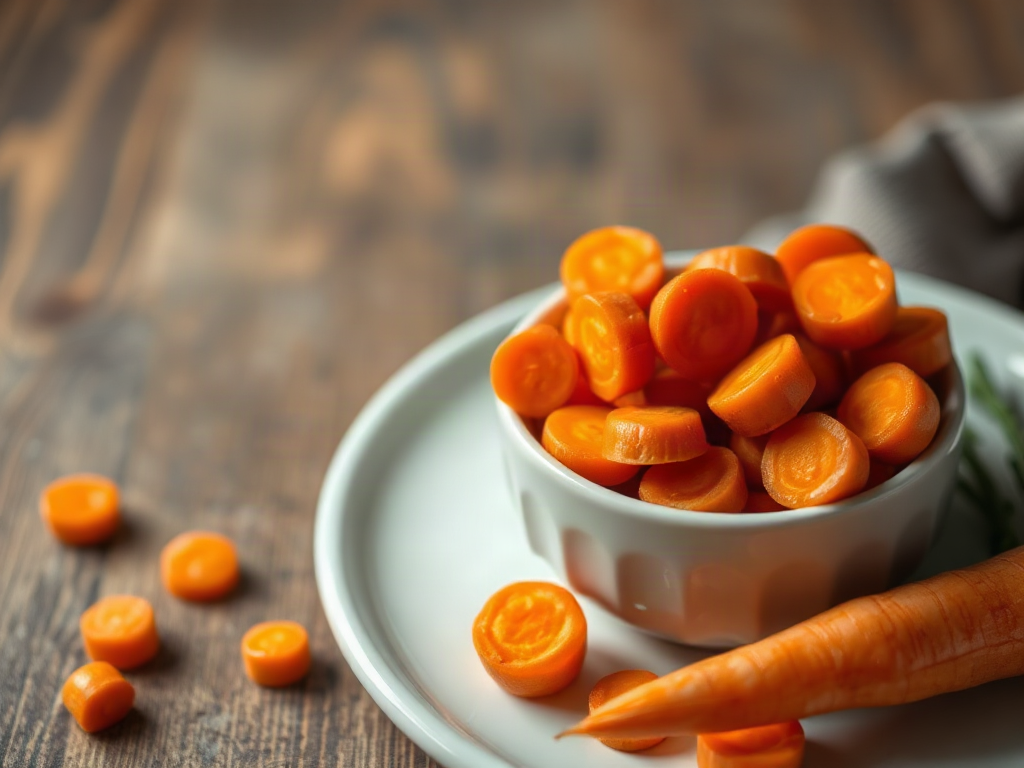
Carrot nutrition and beta-carotene are shaped by both the vegetable’s natural composition and the way it is cooked. Carrots provide fiber, potassium, and carotenoids, while gentle heating softens their structure and may make some beta-carotene easier to access; adding a modest amount of fat supports carotenoid absorption. Raw carrots remain useful for crunch and convenience, whereas steaming, roasting, or sautéing changes texture and flavor without making them nutritionally identical. Avoid boiling them for long periods when possible, because water-soluble nutrients can move into the cooking water. A varied approach—raw for snacks, lightly cooked for meals, and paired with nuts, oil, eggs, or another fat-containing food—offers the most practical balance.
What Carrots Contribute Nutritionally
Carrots are low-energy whole foods that bring more to a meal than their sweetness suggests. Their notable nutrients include dietary fiber, potassium, and carotenoids, especially beta-carotene. They also contribute smaller amounts of vitamin K, vitamin C, and several B vitamins. The exact nutrition depends on serving size, variety, freshness, and whether the carrot is eaten whole or incorporated into a processed product.
Beta-carotene is a provitamin A carotenoid. The body can convert some beta-carotene into vitamin A, which is involved in normal vision, immune function, and maintenance of skin and other tissues. Conversion is regulated and varies between people, so a carrot should not be treated as a predictable substitute for a vitamin A supplement or a medical treatment. Orange color generally signals carotenoid presence, but color intensity alone does not provide a precise nutritional measurement.
Fiber gives carrots practical value beyond their micronutrients. A raw carrot requires chewing and can add texture to a snack, salad, or grain bowl. Cooked carrots are softer and may be easier to include in soups, stews, or meals for people who find raw vegetables uncomfortable. Peeling is optional: scrubbing the surface and trimming damaged areas preserves more of the edible portion, while peeling can be sensible when the skin is rough, heavily marked, or unappealing.
A common mistake is judging a carrot only by whether it is raw or cooked. A large serving of plain raw carrots may be less satisfying for one person than a smaller serving of roasted carrots included with lentils and olive oil. Conversely, a sweet carrot soup may contain more sodium or cream than the vegetable itself warrants. Nutritional judgment should include the whole preparation, including oil, salt, sauces, and portion size. For a broader comparison of preparation choices, see Carrot nutrition, beta-carotene, and cooking.
Beta-Carotene, Absorption, And Food Pairing
Beta-carotene is stored within plant cells, and cooking changes the physical structure of those cells. Heating can soften carrot tissue and make carotenoids more accessible during digestion. That does not mean every cooked preparation automatically delivers more usable nutrition than every raw preparation. Temperature, cooking duration, chopping, the presence of fat, and the rest of the meal all influence the result.
Carotenoids are fat-soluble compounds, so eating carrots with a modest amount of dietary fat is a practical pairing strategy. A carrot salad with tahini dressing, roasted carrots with olive oil, or a vegetable soup served with yogurt can provide a more absorption-friendly meal than plain carrots eaten in isolation. The goal is not to add large amounts of fat; a small portion of nuts, seeds, avocado, oil, cheese, egg, or another fat-containing food can fit the meal.
Preparation also matters. Chopping or grating increases the exposed surface area and breaks some plant structure, while cooking softens the remaining tissue. Grated raw carrot in a salad may be convenient and enjoyable, but it is not nutritionally identical to tender carrots sautéed with oil. A blended carrot soup changes texture substantially and may make a larger portion easy to consume, so the soup’s salt, cream, and added starch deserve attention.
Weak assumptions create confusion in this area. “Raw is always better” ignores the effect of heat and texture on carotenoid access. “Cooked is always better” ignores nutrient losses into water, excessive heat, and the value of whole-food crunch and fiber-containing meals. A useful priority order is simple: preserve the vegetable, avoid unnecessarily long boiling, include a reasonable fat source, and choose the method that helps you eat carrots regularly. Research summaries from the National Institutes of Health describe vitamin A and provitamin A carotenoids without implying that one cooking method suits everyone.
Raw Versus Cooked Carrots
Raw carrots offer firmness, freshness, and convenience. They work well as sticks with hummus, grated into slaw, or sliced into a salad. Their texture slows eating and can make them useful for a portable snack. Raw preparation also avoids heat-related changes and does not require added oil. For packed lunches or quick meals, those operational advantages may matter more than a theoretical difference in carotenoid availability.
Cooked carrots provide a different set of benefits. Steaming, roasting, braising, and sautéing soften the cell walls, concentrate flavor, and make carrots easier to combine with beans, grains, poultry, fish, or eggs. A person with dental limitations may tolerate steamed coins better than raw sticks. Someone trying to eat more vegetables may find roasted carrots appealing because browning creates a deeper flavor without requiring a sweet sauce.
Boiling is not automatically a poor choice, but prolonged boiling can cause flavor and some water-soluble nutrients to move into the cooking liquid. If boiled carrots are part of a soup, the liquid is consumed and the tradeoff is smaller. If the water is drained and discarded, shorter cooking is more sensible. Steaming uses less direct contact with water, while microwaving with a small amount of water can be efficient when the aim is a quick side dish.
Consider a weeknight example. Raw carrot ribbons may be best in a cold grain bowl where crunch balances soft beans and rice. Steamed carrots may suit a child’s dinner or a meal for someone who prefers mild textures. Roasted wedges may work with chickpeas and a lemon-tahini sauce, but their natural sweetness can become excessive if heavily glazed. The strongest choice is the one that matches the meal and keeps the rest of the ingredient list balanced. More ideas can be found through Carrot nutrition, beta-carotene, and cooking.
Cooking Methods That Preserve Quality
Steaming is a dependable all-purpose method because it softens carrots with limited water contact. Cut pieces into similar sizes so thin slices do not become mushy while thick pieces remain firm. Stop when a fork meets slight resistance rather than waiting for complete collapse. The result can be served plain, tossed with herbs, or finished with olive oil and lemon.
Roasting develops browning and concentrates flavor, but the technique works best when pieces are spread in a single layer. Crowding traps moisture and produces soft, pale carrots instead of browned edges. Moderate heat and a light coating of oil are usually sufficient. Very small pieces can dry out before larger pieces are tender, so matching the cut to the cooking time is more useful than simply increasing the temperature.
Sautéing is practical for thin coins, matchsticks, or grated carrot. A covered pan with a small splash of water can soften the center, followed by uncovered cooking to remove excess moisture. This approach uses less oil than deep-frying while still pairing the vegetable with fat. Braising works well in soups and stews because the cooking liquid becomes part of the dish, although salty stock, cream, or sugary sauces can change the overall nutritional profile.
Use this compact method checklist when deciding how to cook carrots:
- Want crunch and speed? Eat them raw, grated, or lightly marinated.
- Want a soft texture with restrained water exposure? Steam or microwave briefly.
- Want stronger flavor? Roast evenly cut pieces with a small amount of oil.
- Want a one-pot meal? Add carrots to soup, beans, or a stew and consume the cooking liquid.
The common failure mode is cooking by the clock without checking texture. Carrots vary in size and age, and a recipe’s timing is only an estimate. Taste or pierce a piece near the end, then remove the carrots before they become watery. A bright color, pleasant aroma, and tender-but-intact texture generally signal a better result than softness alone.
Practical Ways To Use Carrots
Carrots fit easily into meals when their role is chosen deliberately. Raw carrots can add contrast to rich dips and soft foods. Cooked carrots can provide sweetness and body in a soup, curry, or grain dish. Combining both forms in one meal is also reasonable: a roasted carrot and lentil bowl can be topped with shredded raw carrot, herbs, seeds, and a yogurt dressing for contrasting textures and a source of dietary fat.
Pairing carrots with other whole foods prevents the meal from becoming a narrow focus on one nutrient. Try roasted carrots with lentils and pumpkin seeds, steamed carrots beside eggs and whole-grain toast, or grated carrots mixed with cabbage, beans, and a tahini dressing. These combinations add protein, additional fiber, and varied minerals. A carrot juice product is a different choice: juicing removes much of the original fiber and can make a large amount of carrot easier to consume quickly, so whole carrots are usually the more filling format.
Storage affects quality before cooking begins. Refrigerate carrots in a container or bag that limits excessive moisture loss, and remove leafy tops if attached because they can draw moisture from the root. Limp carrots are often still usable in soup or roasting; soaking briefly in cold water may improve firmness, but it will not restore spoiled tissue. Discard carrots with extensive mold, a sour odor, or a slimy surface rather than trying to trim around deterioration.
People taking high-dose vitamin A or carotenoid supplements should not assume that eating carrots gives the same exposure. Food-based beta-carotene and concentrated supplements are not interchangeable, and unusual yellow-orange skin discoloration from very high carotenoid intake is a reason to review the diet with a clinician rather than self-diagnose. Carrots also should not replace professional care for vision, immune, or skin concerns. The practical target is variety: include carrots in forms you enjoy, add them to balanced meals, and let cooking serve the meal rather than dominate the nutrition decision.
Frequently Asked Questions
Are raw carrots healthier than cooked carrots?
Neither form is universally better. Raw carrots preserve crunch and convenience, while gentle cooking softens tissue and may improve access to some beta-carotene.
Does carrot cooking destroy beta-carotene?
Normal cooking does not simply eliminate beta-carotene. Heat can change its accessibility, although excessive cooking and poor overall preparation can reduce food quality.
What should I eat with carrots for beta-carotene absorption?
Pair carrots with a modest amount of fat, such as olive oil, tahini, nuts, seeds, avocado, yogurt, or egg, as part of a balanced meal.
Is steaming better than boiling carrots?
Steaming limits direct water contact and can preserve texture. Boiling is still useful when the cooking liquid is eaten, such as in soup.
Should carrots be peeled before cooking?
Peeling is optional. Scrub sound carrots well and trim damaged areas; peel them when the skin is rough, dirty, or unpleasant in the finished dish.
Conclusion
Carrots are most useful when treated as a flexible whole-food ingredient rather than as a single beta-carotene delivery system. Raw carrots bring crunch and convenience; steamed, sautéed, roasted, or braised carrots offer softer textures and different flavor while retaining meaningful nutritional value. Choose shorter, controlled cooking when texture and water loss matter, and remember that soups preserve nutrients that remain in the cooking liquid. Pairing carrots with a small amount of fat is a sensible way to support carotenoid absorption, but adding large amounts of oil or sugary glaze can undermine the balance of the meal. Use several preparations across the week, combine carrots with protein and other plants, and judge success by consistent, enjoyable meals rather than by one supposedly perfect cooking method.
Related Content
- Hidden Costs of Switching to Whole Food Superfoods: Budgeting for Nutritional Investments and Lifestyle Changes
- How to Maximize the Benefits of Superfoods: Essential Foods, Preparation Methods, and Daily Habits
- Can Superfoods Help Reduce Sugar Cravings Naturally: Effective Foods and Strategies
- Terms of Use
- Swiss Chard Nutrition and Oxalate Considerations for Cooking, Portions, and Kidney Stone Risk