
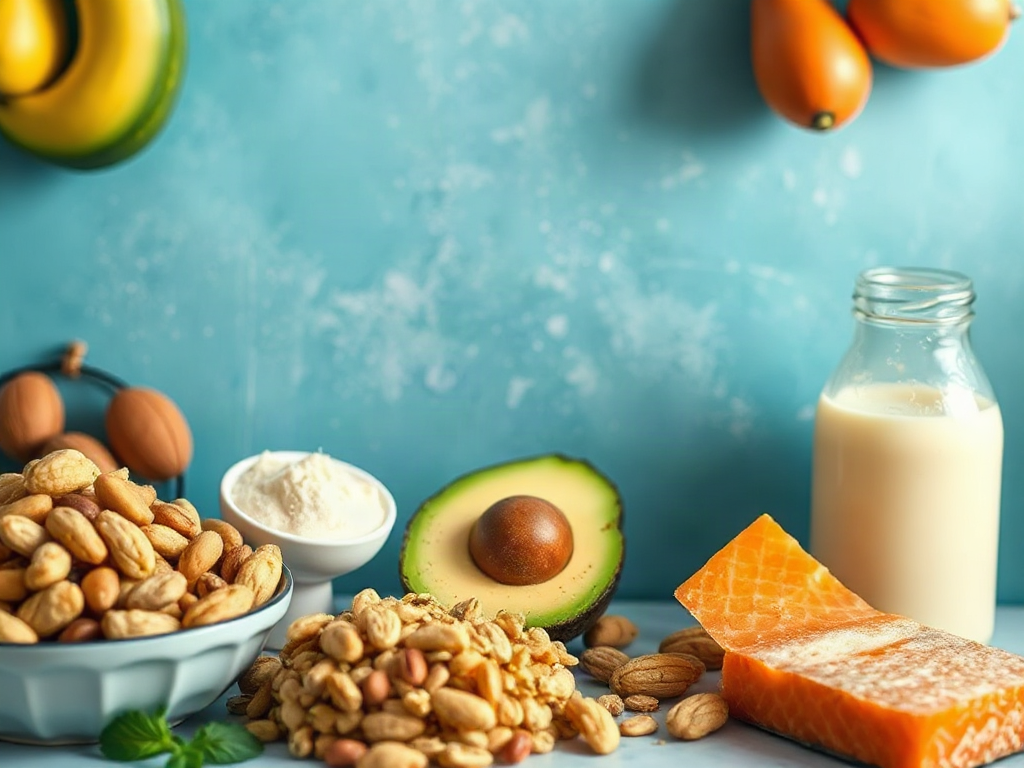
High-calorie foods for healthy weight gain include nuts, nut butter, avocado, olive oil, whole-milk dairy, eggs, salmon, beans, oats, rice, and dried fruit, combined into balanced meals rather than eaten as isolated treats. A useful approach is to add energy gradually through calorie-dense ingredients while keeping protein, carbohydrates, fiber, vitamins, and minerals present. For example, oatmeal with whole milk, peanut butter, banana, and seeds provides more usable nutrition than relying on sweets or fried snacks. Large portions can reduce appetite, so smaller meals plus nourishing snacks may work better. Unplanned weight loss, persistent digestive symptoms, or difficulty gaining despite increased intake should be discussed with a qualified healthcare professional.
What Makes a High-Calorie Food Useful for Weight Gain?
Healthy weight gain depends on adding energy while preserving dietary quality. A high-calorie ingredient is more useful when it also supplies protein, unsaturated fat, complex carbohydrates, calcium, iron, fiber, or other nutrients. Nuts, seeds, avocado, olive oil, eggs, dairy foods, legumes, whole grains, and oily fish can raise the energy content of meals without making the diet depend entirely on candy, sugary drinks, or heavily fried food.
Energy density matters because some people struggle to eat large volumes. A tablespoon of olive oil mixed into beans or vegetables adds energy with little extra bulk, while a smoothie made with whole milk, oats, yogurt, fruit, and nut butter can be easier to consume than another large plate of food. The goal is not to avoid all lower-calorie foods; vegetables and fruit still provide fiber and micronutrients. The practical adjustment is to pair them with calorie-dense components rather than allowing them to displace the entire meal.
Protein deserves particular attention. Calories alone may increase body weight, but meals containing protein help support muscle maintenance and growth when paired with resistance training. Chicken, fish, eggs, Greek yogurt, cottage cheese, tofu, tempeh, lentils, and beans offer different combinations of protein and other nutrients. A person who eats only added fats may meet an energy target but still have a poorly balanced diet.
A common mistake is treating “high calorie” as synonymous with “healthy.” Pastries, chips, and sweetened beverages can increase intake, but they often contribute little protein or fiber and may make appetite, digestion, or blood sugar management more difficult. These foods can fit occasionally, especially when appetite is low, but the foundation should be meals that provide both energy and nutritional value. For more ideas, see High-calorie foods for healthy weight gain.
Best Whole-Food Choices and How to Use Them
Nuts and seeds are among the most efficient additions because they combine calories, fat, some protein, and minerals in a compact serving. Almonds, walnuts, peanuts, tahini, sunflower seeds, chia seeds, and pumpkin seeds can be stirred into oats, yogurt, rice bowls, salads, or soups. Nut butter on toast with sliced banana is usually more useful than eating plain toast when the aim is to raise energy intake. People with allergies should choose suitable alternatives rather than forcing a specific ingredient.
Avocado, olive oil, and canola oil provide concentrated unsaturated fat. Avocado works in sandwiches, grain bowls, and bean salads; oil can be used in cooking or whisked into dressings. These additions are practical for someone who feels full quickly because they add energy without the volume of another serving of rice or vegetables. Oils still provide calories without protein or fiber, so combining them with beans, eggs, fish, dairy, or whole grains creates a more complete meal.
Whole-milk dairy can serve several purposes at once. Milk, yogurt, kefir, cheese, and cottage cheese provide energy along with protein and, depending on the product, calcium and vitamin D. A yogurt bowl with oats, berries, walnuts, and honey is more substantial than fruit alone. People who do not tolerate dairy can consider fortified soy beverages or other alternatives, checking labels for protein and added sugar.
Starchy foods support larger meals without requiring a diet built around fat. Oats, brown rice, potatoes, whole-grain pasta, quinoa, and dense whole-grain bread supply carbohydrates and can be combined with protein and fat. Salmon, sardines, eggs, tofu, lentils, chickpeas, and lean meats make useful anchors. Dried fruit is compact and convenient, but its sugar is concentrated; pairing it with nuts or yogurt may produce a more satisfying snack than eating a large amount alone.
For readers comparing options, the best choice is usually the food that fits appetite, budget, cooking access, and digestion. A salmon-and-rice bowl may be nutrient-rich but expensive, while lentils with rice, olive oil, and yogurt can provide a lower-cost alternative. Variety matters less than creating repeatable meals that the person can actually eat.
Building Meals That Add Calories Without Excessive Volume
Meal structure often determines whether calorie-dense foods are useful. A balanced plate or bowl can include a protein source, a substantial carbohydrate, a source of fat, and produce. For example, rice with black beans, avocado, cheese, and salsa combines starch, plant protein, fat, and flavor. Pasta with lentils, olive oil, parmesan, and roasted vegetables offers a similar pattern. These combinations are more practical than adding a large amount of one ingredient to an otherwise incomplete diet.
Breakfast can be an easy place to increase intake because liquid and soft foods may be less filling than a very large solid meal. Oats cooked in whole milk can be topped with peanut butter, chopped dates, and seeds. Another option is a smoothie containing milk or fortified soy beverage, yogurt, banana, oats, and nut butter. A smoothie should not automatically replace every meal; chewing and meal variety remain useful, and some people experience bloating when liquid calories are consumed too quickly.
Snacks are valuable when three large meals feel unrealistic. Cheese and whole-grain crackers, trail mix, hummus with pita, yogurt with granola, peanut butter toast, or a boiled egg with a potato can add energy between meals. Eating on a predictable schedule may work better than waiting for strong hunger, particularly for someone whose appetite is low. At the same time, excessive snacking immediately before meals can reduce appetite, so timing should be adjusted based on actual eating patterns.
Small ingredient changes can make a familiar meal more suitable. Add grated cheese to eggs, olive oil to vegetables, powdered milk to oatmeal where appropriate, beans to soup, or avocado to a sandwich. These modifications usually create less resistance than introducing an entirely new menu. The tradeoff is that calorie-dense additions can make food richer and occasionally worsen nausea, reflux, or diarrhea. If that happens, reduce the amount per meal, spread additions across the day, and test simpler ingredients rather than assuming more fat is always better.
A useful starting sequence is:
- Keep the existing meals that are already tolerated.
- Add one compact energy source to two meals each day.
- Include a protein-rich snack if regular meals remain small.
- Review appetite, digestion, and weight trend before making another change.
This approach creates a clearer cause-and-effect picture than changing every meal at once. It also makes the plan easier to maintain when work, school, training, or limited cooking facilities affect daily choices. A related resource is High-calorie foods for healthy weight gain, particularly when adapting meals to a specific routine.
Common Mistakes, Progress Checks, and Safety Considerations
The most common mistake is adding calories without monitoring whether the person can tolerate the plan. A diet that looks excellent on paper may fail if it causes early fullness, constipation, reflux, or repetitive meals that become unappealing. Record meals for several days, noting appetite, symptoms, and times when eating feels easiest. The record is not meant to create obsessive tracking; it helps identify whether the problem is insufficient portions, skipped snacks, poor timing, or a food that causes discomfort.
Another weak assumption is that rapid weight gain is automatically better. Weight changes can include water, digestive contents, fat, and muscle, and the balance depends on food intake, activity, genetics, and training. Gradual adjustments are generally easier to sustain than forcing very large portions. Resistance exercise may be useful for people seeking more lean mass, but training demands and medical circumstances differ. A dietitian, physician, or other qualified professional can help tailor intake when there is a diagnosed condition, restricted diet, medication issue, or history of disordered eating.
Signs that an approach is working include more consistent meals, adequate energy for daily activities, improved tolerance of portions, and a gradual upward trend when weight gain is the intended goal. Signs that the plan needs revision include worsening gastrointestinal symptoms, persistent loss of appetite, extreme fatigue, or no change despite consistently increased intake. Unintentional weight loss should not be managed only with a shopping list, especially when it occurs with pain, swallowing difficulty, prolonged diarrhea, vomiting, fever, or other concerning symptoms.
Food quality also matters for long-term health. Relying heavily on sweet drinks and ultra-processed snack foods may make the plan easier initially, but it can crowd out protein, fiber, and micronutrients. On the other hand, insisting on an exclusively “clean” diet can make eating unnecessarily difficult for someone with low appetite or limited resources. A flexible pattern works better: prioritize whole or minimally processed foods, use convenient higher-calorie items when needed, and adjust according to tolerance, cost, culture, and access.
Budget can be managed with oats, rice, potatoes, dried beans, lentils, eggs, peanut butter, canned fish, whole milk, and frozen produce. Meal preparation can be simplified by cooking a batch of grains and beans, keeping ready-to-eat yogurt or cheese available, and storing nuts or seed mixtures in practical portions. The best plan is the one that remains available on busy days, not the one that requires elaborate recipes every evening.
Frequently Asked Questions
What are the best high-calorie foods for healthy weight gain?
Nuts, nut butter, avocado, olive oil, whole-milk dairy, eggs, salmon, beans, oats, rice, potatoes, and dried fruit are useful options. Combine them with protein and produce rather than relying on one food.
How can I add calories without feeling overly full?
Use smaller meals, planned snacks, smoothies, nut butter, cheese, avocado, or oil-based dressings. Adding compact ingredients gradually may be easier than increasing plate size.
Are protein foods necessary for weight gain?
Protein is not the only requirement, but including foods such as eggs, dairy, fish, tofu, beans, lentils, or meat helps make added calories more nutritionally complete and may support muscle maintenance.
Can junk food help someone gain weight?
Highly processed foods can add calories, but relying on them may displace protein, fiber, and micronutrients. They can be occasional additions rather than the foundation of the eating pattern.
When should difficulty gaining weight be evaluated?
Seek professional advice for unexplained weight loss, persistent digestive symptoms, swallowing problems, ongoing poor appetite, or failure to gain despite consistently eating more.
Further Reading
Authoritative Sources
- MyPlate
myplate.govOffers government nutrition guidance for combining food groups and building balanced meals
- Nutrition.gov
nutrition.govProvides evidence-informed consumer resources on food choices, meal planning, and healthy eating patterns
Conclusion
Effective weight gain comes from making ordinary meals more energy-dense without abandoning nutritional balance. Build around foods such as oats, rice, potatoes, beans, eggs, dairy, fish, nuts, seeds, avocado, and olive oil, then combine them in portions that match appetite and digestion. A smoothie, snack, or small ingredient addition may be more workable than forcing another large meal. Watch for practical signals: meals should become more consistent, symptoms should remain manageable, and the plan should fit the available budget and schedule. Rapid changes are not automatically better, and unexplained weight loss or ongoing digestive problems deserve professional assessment. Choose two manageable additions first, observe the response, and refine the pattern rather than changing everything at once.
Related Content
- What to Do If Whole Foods Are Too Expensive: Budget-Friendly Strategies and Alternatives
- What To Do If Superfoods Disrupt Your Daily Routine: A Practical Reset Plan
- Overlooked Superfoods for Immune Support: Unique Options You Should Consider
- What To Do If A Superfood Causes Allergic Reactions: Identifying Symptoms and Effective Responses
- Evaluating the Sourcing Practices of Superfood Brands: Key Indicators for Ethical and Sustainable Choices