
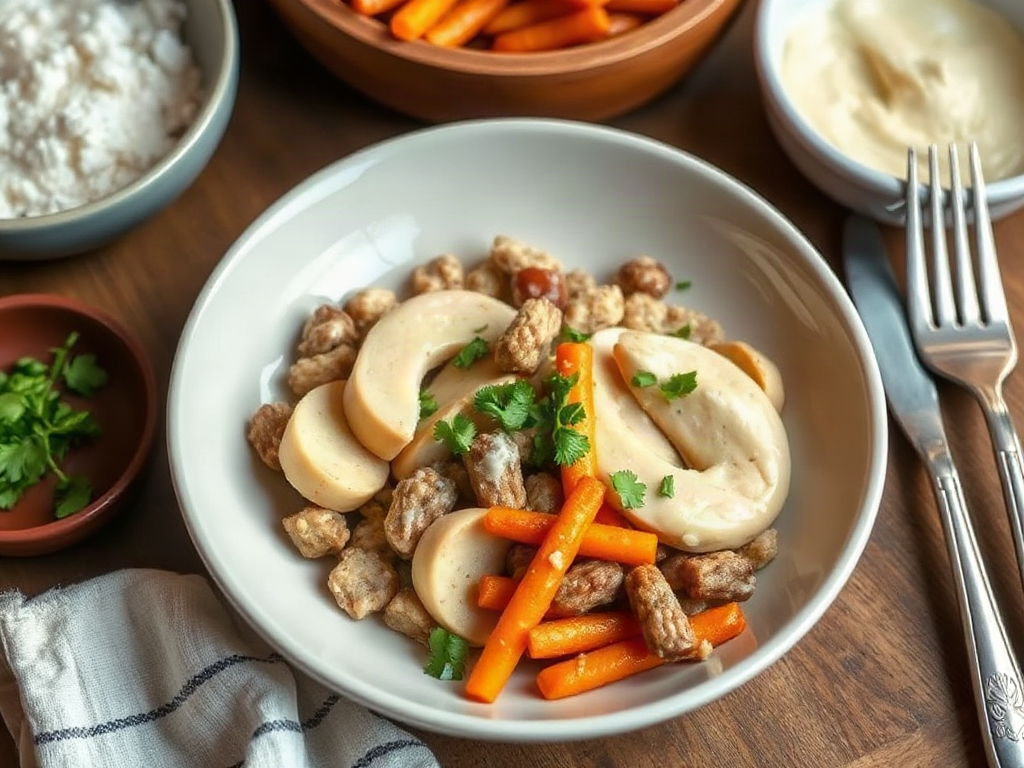
High-protein low-calorie foods for satisfying meals include Greek yogurt, cottage cheese, eggs, skinless poultry, fish, shrimp, tofu, tempeh, lentils, edamame, and beans paired with vegetables, broth-based dishes, or modest portions of whole grains. Protein can make a meal more filling, while fiber, water, and food volume add staying power without many calories. Choose minimally processed options, compare protein with calories per serving, and season them generously so lower-fat choices remain enjoyable. A common mistake is relying on lean protein alone; a plate with vegetables and a measured carbohydrate or healthy fat is usually more satisfying than a tiny portion of plain meat.
What Makes a High-Protein Food Filling Without Many Calories
The most useful choices combine meaningful protein with a reasonable calorie load, enough volume to occupy the plate, and a texture that takes time to eat. Protein may contribute to fullness by slowing digestion and influencing appetite signals, but it is not the only factor that determines whether a meal satisfies. Water-rich vegetables, legumes, fruit, broth, and whole grains add volume and fiber, while a small amount of fat improves flavor and can make a meal feel less restrictive.
Calories can rise quickly when a lean ingredient is coated in oil, breaded, covered with creamy sauce, or served in a large portion. Plain shrimp may be a light protein source, but shrimp cooked in several tablespoons of oil and paired with a rich sauce becomes a different meal. The same principle applies to yogurt: plain nonfat Greek yogurt has a different calorie profile from a sweetened, granola-topped parfait.
Use the nutrition label or a reliable food database to compare similar products by serving size. Look for protein, calories, added sugar, sodium, and the ingredient list rather than choosing solely by a “high-protein” claim. A product can contain extra protein and still be energy-dense because of sugar, oils, or large portions.
High-protein low-calorie foods for satisfying meals work best when they solve a real eating problem: a quick breakfast, a portable lunch, or a dinner that needs more substance. The target is not the lowest possible calorie count. A meal that leaves you hungry an hour later may be less useful than a slightly larger plate with vegetables, beans, or a measured serving of rice.
Best Animal-Based and Plant-Based Options
Lean animal proteins are often efficient because they provide substantial protein in a relatively compact portion. Skinless chicken or turkey, white fish, tuna packed in water, salmon, shrimp, eggs, egg whites, low-fat cottage cheese, and plain Greek yogurt can all fit into lower-calorie meal patterns. Their nutritional differences matter: salmon supplies more fat than cod or shrimp but also provides omega-3 fats, while egg whites are very lean but lack the full range of nutrients found in the yolk.
Plant options bring additional fiber and, in some cases, carbohydrate. Edamame, tofu, tempeh, lentils, black beans, chickpeas, and split peas can make meals more substantial, though their calories should be judged in context rather than compared directly with egg whites or white fish. Lentils and beans are not “too high calorie” simply because they contain carbohydrate; their fiber and texture can help a meal remain satisfying. For a lower-calorie balance, use them with vegetables rather than combining large portions with oil-heavy dressings.
Some foods sit between categories. Low-fat cottage cheese can be eaten savory with cucumber and herbs or sweet with berries and cinnamon. Tofu absorbs marinades and works well in stir-fries, but frying it in abundant oil changes its calorie density. Tempeh is firmer and more flavorful, yet it is typically denser than tofu, so portion size and cooking method deserve attention.
A practical comparison looks like this: choose fish or shrimp when you want a light centerpiece; choose beans or lentils when fiber and budget matter more; choose Greek yogurt or cottage cheese for a fast snack; and choose tofu or edamame when a plant-based meal needs a reliable protein anchor. Processed meat substitutes may be convenient, but sodium and added fat vary widely, so they should not automatically outrank whole-food options.
How to Build Satisfying Plates
A satisfying plate usually needs more than a protein serving. Start with a palm-sized portion of lean protein or a suitable plant equivalent, then add two or more kinds of vegetables, a controlled portion of a carbohydrate-rich food, and enough flavor to make the meal appealing. This structure creates contrast in texture and taste while keeping the protein from becoming a small, isolated item on the plate.
For example, grilled chicken can be paired with roasted broccoli, a chopped tomato-cucumber salad, and a modest portion of potatoes. The vegetables add volume and water, while the potatoes provide a familiar carbohydrate that may make the meal feel complete. A lentil bowl can use greens, roasted peppers, a spoonful of yogurt, and a measured drizzle of tahini. Tahini is nutrient-rich but calorie-dense, so the drizzle matters more than avoiding it entirely.
Breakfast often fails when protein is added without changing the meal’s structure. A protein bar may be convenient, but plain Greek yogurt with berries and a small amount of oats offers different textures and can be easier to portion. Another option is an omelet made with one whole egg, additional egg whites, mushrooms, spinach, and a slice of whole-grain toast. The yolk contributes flavor and nutrients; removing every yolk is not required for a lower-calorie breakfast.
Use this compact decision sequence when planning:
- Choose the protein first and decide whether the meal needs animal protein, dairy, eggs, seafood, or a plant option.
- Add water-rich or fiber-rich produce for volume and texture.
- Select one carbohydrate portion if it improves energy, enjoyment, or staying power.
- Measure calorie-dense extras such as oils, cheese, nuts, avocado, sauces, and dressings.
If hunger returns quickly, first check whether the meal was too small, too low in fiber, or missing a useful carbohydrate. If the meal feels heavy despite modest volume, inspect oils, cheese, creamy sauces, and snack-style toppings before blaming the protein choice.
Common Mistakes and Practical Tradeoffs
The most common mistake is treating “low calorie” as the only quality test. A very small serving of protein with a pile of raw vegetables may look efficient but can be unsatisfying, especially after strenuous activity or a long gap between meals. The opposite mistake is assuming that a food labeled high-protein can be eaten without portion awareness. Protein cookies, shakes, flavored yogurts, and frozen entrées may contain useful protein while also carrying substantial sugar, sodium, or fat.
Another problem is relying on chicken breast or egg whites at every meal. These options are practical, but repetition can reduce variety and make a person compensate later with highly palatable foods. Rotate seafood, dairy, eggs, soy, legumes, and poultry where appropriate. People with allergies, kidney disease, digestive disorders, or medically prescribed diets may need individualized guidance rather than a generic high-protein pattern.
Cooking method is a major tradeoff. Baking, steaming, grilling, poaching, air-frying, and simmering can preserve a lower calorie profile, while deep-frying and generous oil-based marinades can change it quickly. Flavor does not require a large amount of fat: acids such as lemon or vinegar, herbs, spices, garlic, ginger, mustard, salsa, and low-fat yogurt sauces can add character. Sodium still deserves attention in canned fish, deli poultry, packaged meat substitutes, and prepared soups.
Plant proteins also require realistic expectations. A bean-based meal can be highly satisfying, but it may provide less protein per calorie than lean poultry or fish. Combining legumes with vegetables and, when desired, tofu or Greek yogurt can improve the meal’s balance. The goal is not to declare one source superior; it is to match the food to budget, preference, cooking time, digestion, and the rest of the day’s intake.
Sample Meal Combinations for Everyday Use
Practical combinations make these principles easier to apply than a list of isolated ingredients. For lunch, use tuna or salmon with white beans, greens, chopped vegetables, lemon, and a measured olive-oil dressing. The fish contributes protein, the beans add fiber and carbohydrate, and the vegetables create volume. If sodium is a concern, choose lower-sodium canned products when available and rinse beans before use.
For dinner, try shrimp with a large vegetable stir-fry and a modest serving of brown rice or soba noodles. Shrimp cooks quickly, but sauces can dominate the calorie count, so build flavor with garlic, ginger, chili, lime, and a controlled amount of soy sauce. Tofu can replace shrimp; press it, season it, and brown it with limited oil rather than assuming that every plant-based preparation is automatically light.
A portable option is cottage cheese with fruit, or plain Greek yogurt with berries and pumpkin seeds. Seeds add crunch and valuable nutrients but are concentrated, making a small portion more practical than an unmeasured handful. For a savory snack, edamame with sliced peppers can provide more staying power than crackers alone.
Signs the approach is working include meals that carry you comfortably to the next planned eating occasion, fewer urges to graze immediately afterward, and enough variety to maintain the pattern. Signs it needs adjustment include persistent hunger, low energy, digestive discomfort, or meals so restrictive that overeating follows. Increase vegetables, legumes, whole grains, or a modest amount of fat according to the problem rather than simply adding another processed protein product.
For more meal-building ideas, use high-protein low-calorie foods for satisfying meals as a starting point, then adapt portions to appetite, activity, culture, and medical needs. A repeatable bowl, salad, soup, or breakfast formula is often more useful than an ambitious menu that is difficult to prepare.
Frequently Asked Questions
Which low-calorie protein foods are most filling?
Greek yogurt, cottage cheese, eggs, seafood, poultry, tofu, edamame, lentils, and beans can be filling, especially when paired with vegetables or other fiber-rich foods.
Are beans suitable for a low-calorie meal?
Yes. Beans contain protein, fiber, and carbohydrate, so they may provide strong staying power. Keep portions appropriate and limit calorie-dense oils, cheese, and creamy toppings.
Is chicken breast always better than tofu?
No. Chicken breast is often more protein-dense, while tofu provides a plant-based option with different texture and nutrients. Choose according to preference, digestion, budget, and the rest of the meal.
How can a high-protein meal stay low in calories?
Use a sensible protein portion, fill much of the plate with vegetables, and measure oils, sauces, cheese, nuts, and other concentrated ingredients.
Why am I hungry after eating a lean protein meal?
The meal may be too small or lack fiber, carbohydrate, fat, or food volume. Add vegetables and consider a measured serving of beans, potatoes, whole grains, avocado, or another suitable ingredient.
Conclusion
Successful lower-calorie meals do not depend on finding one perfect protein. They depend on combining a sensible portion of protein with volume, fiber, flavor, and enough carbohydrate or fat to make the meal satisfying. Greek yogurt, seafood, poultry, eggs, tofu, edamame, lentils, and beans each offer different advantages, so rotate them instead of forcing one food into every meal. Pay closest attention to cooking oils, creamy sauces, sweetened products, and oversized portions because those details can change the calorie balance quickly. Build one dependable breakfast, lunch, and dinner formula, then adjust portions based on hunger, energy, digestion, and enjoyment. If a restrictive approach repeatedly leads to overeating or discomfort, a registered dietitian can help tailor the pattern to individual health needs.
Related Content
- How to Spot Misleading Health Claims About Superfoods: Key Indicators and Common Pitfalls
- Napa Cabbage Nutrition and Key Micronutrients for Raw Salads, Stir-Fries, and Balanced Plates
- What to Prioritize When Selecting Superfoods for Health: Key Nutritional Elements and Practical Considerations
- Steps to Take If You Experience Skin Reactions From Superfoods: Identifying Symptoms and Managing Your Diet
- How to Integrate Superfoods into Meal Prep Routines: Practical Steps and Recipe Ideas