
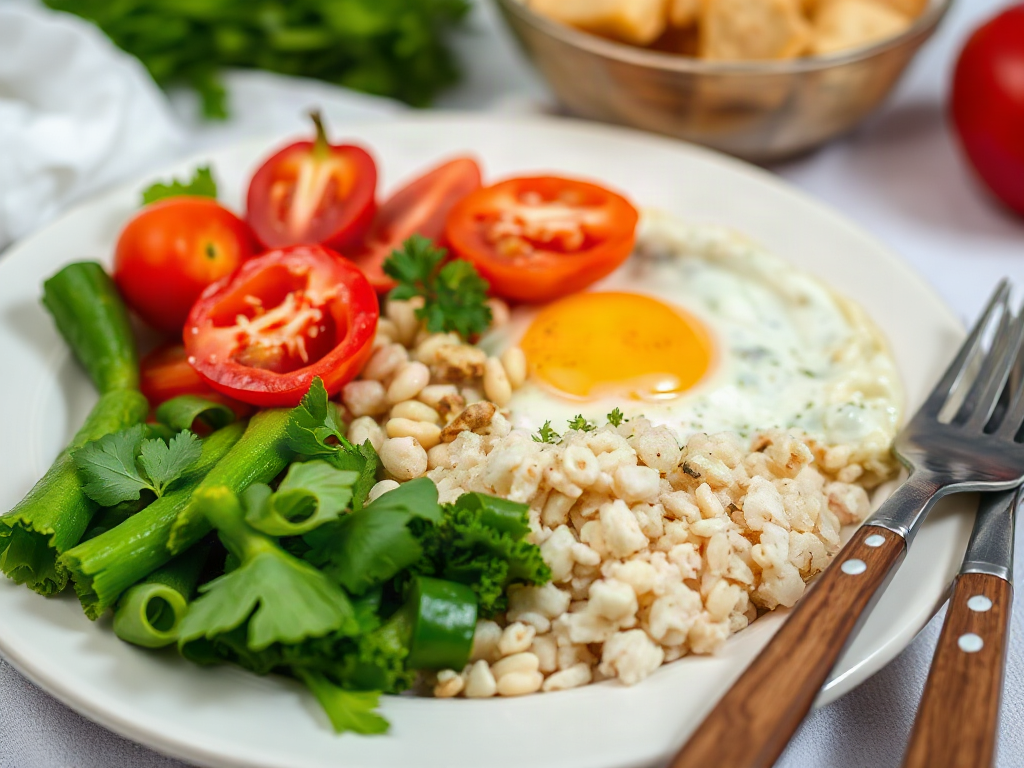
Anti-inflammatory foods for everyday meal planning work best as a repeatable mix of vegetables, fruit, beans, whole grains, nuts, seeds, fish, and unsaturated oils rather than as a short list of “superfoods.” Build meals around colorful plants and fiber, add protein such as beans or fish, and use olive oil, herbs, and spices in place of heavily refined fats and excess added sugar. Consistency matters because dietary patterns may influence inflammation through fiber, gut microbes, fatty-acid balance, and overall food quality. Avoid treating one ingredient as a cure, and adjust choices for allergies, medical conditions, budget, cooking time, and personal tolerance.
Build the Plate Around Foods With Broad Evidence
A useful anti-inflammatory eating pattern is defined by what appears regularly across the week, not by a single fashionable ingredient. Vegetables, fruits, legumes, whole grains, nuts, seeds, and fish provide fiber, minerals, polyphenols, and unsaturated fats that fit a generally nutrient-dense pattern. These foods may influence inflammatory processes indirectly by supporting a healthier gut environment, improving overall dietary quality, and replacing refined carbohydrates or highly processed fats.
Start with the meal structure rather than a shopping list. A bowl of lentils with roasted vegetables, barley, pumpkin seeds, and olive oil has a different nutritional profile from a bowl built mostly from refined grains and a sweetened sauce. The first option supplies fiber and plant compounds alongside protein and fat, which can make the meal more satisfying and slow digestion. It does not need to be perfect, and it should not be described as a treatment for inflammation.
Color is a practical planning tool. Dark leafy greens, peppers, tomatoes, berries, citrus, onions, and cruciferous vegetables each contribute different compounds. Frozen vegetables and unsweetened frozen berries can be as useful for routine planning as fresh produce when storage, cost, or preparation time is a concern. Choosing a mix across the week is more realistic than trying to include every “anti-inflammatory” food in one meal.
A common mistake is ranking foods as if one item can cancel an otherwise unbalanced pattern. Turmeric in a heavily sweetened drink does not transform the drink into a health remedy, and salmon served with very few plant foods does not replace the value of regular fiber-rich meals. Prioritize the pattern first, then use herbs, spices, nuts, seeds, and colorful produce to add variety.
- Plant foundation: vegetables, fruit, beans, lentils, peas, and whole grains.
- Protein choices: fish, tofu, eggs, poultry, beans, and unsweetened dairy where suitable.
- Fats and flavor: olive oil, avocado, walnuts, flaxseed, herbs, garlic, ginger, and spices.
Readers looking for a broader food-quality framework can also review Anti-inflammatory foods for everyday meal planning when comparing ingredients, meal formats, and practical substitutions.
Choose Ingredients That Make Weekday Meals Easier
The strongest plan is usually the one that survives a busy Tuesday. Select ingredients that can move between meals without becoming repetitive: cooked beans can fill a grain bowl, thicken soup, or become a salad topping; roasted vegetables can accompany eggs, fish, or whole-grain pasta; and plain yogurt can serve as breakfast, a sauce base, or a dip.
Fiber deserves special attention because it is concentrated in many foods associated with a high-quality eating pattern. Oats, barley, beans, lentils, raspberries, pears, chia seeds, vegetables, and nuts can add different types of fiber. Increase these foods gradually if your current intake is low, and drink enough fluid for your own needs. A sudden large increase in beans, bran, or seeds may cause bloating, which can make a sensible plan difficult to maintain.
Fat quality matters most when it changes what replaces what. Olive oil used for vegetables is a practical choice, but pouring large amounts over every meal can increase energy intake without adding much satisfaction. Walnuts or ground flaxseed can add texture to oatmeal, while fatty fish can provide omega-3 fats in a meal that also contains vegetables and whole grains. People who do not eat fish can use beans, tofu, walnuts, or seeds for plant-based options, though these foods do not provide identical nutrients.
Shopping constraints also shape the best choices. Fresh berries may be expensive or spoil quickly, whereas frozen berries can work in oatmeal or yogurt. A large bunch of greens may be wasted by one person, while prewashed greens or frozen spinach may be more practical. Canned beans are convenient; rinsing them can reduce some surface sodium, but the label still matters for people who have been advised to limit sodium.
Weak planning often comes from buying ingredients without assigning them a use. Before shopping, connect each perishable item to two meals. For example, spinach can go into an omelet and a lentil soup, while broccoli can be roasted for dinner and folded into a grain salad the next day. This approach reduces waste and makes the healthy option easier to reach.
Use Preparation, Timing, and Substitutions Wisely
Preparation can either preserve the appeal of nutrient-dense foods or make them difficult to eat consistently. Roasting, steaming, sautéing, simmering, and serving vegetables raw all have a place. The best method depends on texture, time, and what will encourage someone to eat the food. A sheet-pan dinner may be more useful than an elaborate recipe if it produces leftovers for lunch.
Favor cooking methods that let the main ingredients remain recognizable. Roast cauliflower with olive oil, garlic, and paprika; simmer beans with tomatoes and greens; or combine cooked barley with mushrooms, parsley, and lemon. These meals use flavor-building ingredients rather than relying on a sugary glaze or a highly processed sauce. Packaged sauces are not automatically off-limits, but check added sugar, sodium, and the serving size when they become a daily staple.
Meal timing is less important than the total pattern, but long gaps can lead to rushed choices for some people. A breakfast of oats, berries, walnuts, and plain yogurt may be more sustaining than a sweet pastry alone because it combines fiber, protein, and fat. A planned afternoon snack such as fruit with nuts or hummus with vegetables can reduce dependence on convenience foods when dinner is delayed.
Substitution is more useful than prohibition. Replace refined grains with oats, barley, brown rice, or whole-grain bread when the texture and meal suit the change. Replace a creamy processed dressing with olive oil, lemon, tahini, or yogurt-based sauce. Replace some red or processed meat meals with beans, tofu, poultry, or fish if those options fit the household. The goal is not to make every choice identical; it is to shift the usual balance.
A common failure mode is assuming that a supplement or concentrated powder is equivalent to whole food. Powders may be convenient, but they often provide less fiber and chewing satisfaction than vegetables, fruit, beans, or seeds. Concentrated products can also be unsuitable with certain medications or health conditions. Anyone managing a diagnosed inflammatory disease, taking anticoagulants, or following a medically restricted diet should discuss major dietary changes with a qualified clinician.

Create a Practical Seven-Day Planning Rhythm
A seven-day rhythm works better when it uses repeatable components rather than seven completely different recipes. Choose two proteins, two grains or starchy foods, three vegetables, two fruits, and one or two flavor combinations. Cook enough beans, grains, or roasted vegetables for several uses, then vary the final meal with sauces, herbs, or toppings.
For example, a batch of lentils can become a warm bowl with roasted carrots on Monday, a tomato-based soup on Wednesday, and a salad with greens and pumpkin seeds on Friday. Cooked brown rice can accompany salmon, tofu, or a vegetable-and-bean stir-fry. Frozen vegetables can fill gaps when fresh produce runs out. This modular approach protects the plan from missed shopping trips and changing schedules.
Use a short priority checklist before finalizing the week:
- Choose at least one vegetable or fruit for each planned main meal.
- Assign a fiber-rich carbohydrate such as beans, lentils, oats, barley, or another whole grain.
- Add a practical protein source that matches the household’s preferences and budget.
- Reserve a small number of convenience foods for genuinely busy days rather than treating them as failures.
- Check whether leftovers can be safely stored and used before they lose quality.
Signs that the plan is working include less last-minute ordering, more consistent produce intake, and meals that remain enjoyable after several weeks. Signs that it is failing include excessive food waste, persistent hunger, complicated preparation, or rules that make social meals stressful. Adjust portions, textures, and cooking methods before abandoning the whole approach.
People with kidney disease, diabetes, gastrointestinal disorders, food allergies, or prescribed dietary restrictions may need individualized modifications. A broad anti-inflammatory pattern should not override medical advice. The practical goal is a sustainable shift toward minimally processed foods while preserving adequate energy, protein, enjoyment, and flexibility. For another way to organize choices, see Anti-inflammatory foods for everyday meal planning alongside your own grocery list and schedule.
Frequently Asked Questions
What is the easiest anti-inflammatory meal to prepare?
Combine a bean or fish protein with frozen vegetables, a whole grain, and olive oil, herbs, or lemon. The format is quick, adaptable, and supplies fiber, protein, and unsaturated fat.
Are berries required for an anti-inflammatory eating pattern?
No. Berries are useful, but apples, citrus, cherries, vegetables, and other fruits also contribute fiber and plant compounds. Choose affordable options you will eat regularly.
Can spices such as turmeric replace healthy meals?
No. Spices can improve flavor and add plant compounds, but they do not compensate for a diet dominated by refined foods or replace medical treatment.
How often should fish appear in meal planning?
Fish can be included according to preference, access, and dietary guidance. Beans, tofu, nuts, and seeds are useful alternatives, although their nutrient profiles differ.
What should someone do if high-fiber foods cause bloating?
Increase fiber gradually, use smaller portions, rinse canned beans, and observe which foods cause symptoms. Persistent or severe symptoms warrant medical advice rather than continued experimentation.
Conclusion
Effective anti-inflammatory meal planning depends on a dependable pattern: plenty of vegetables and fruit, regular beans or whole grains, suitable protein, and mostly unsaturated fats. Make the pattern workable by using frozen produce, batch-cooked components, simple sauces, and substitutions that fit your budget and schedule. Watch for practical warning signs such as food waste, digestive discomfort, persistent hunger, or rules that are too restrictive to maintain. One ingredient is not a cure, and a supplement is not a substitute for a varied diet or appropriate medical care. Choose a few meals for the coming week, assign each perishable item a use, and build from there. Consistent, flexible improvements are more useful than an ambitious plan that collapses after a few days.
Related Content
- Common Mistakes When Incorporating Superfoods into Meals: Practical Solutions and Examples
- How to Find Reliable Sources for Organic Superfoods: Key Indicators and Evaluation Techniques
- How To Navigate The Superfood Market Effectively For Better Value, Quality, And Everyday Use
- What To Do If Superfoods Disrupt Your Daily Routine: A Practical Reset Plan
- Can Superfoods Improve Nutrient Absorption From Other Foods: Key Nutrients That Enhance Bioavailability