
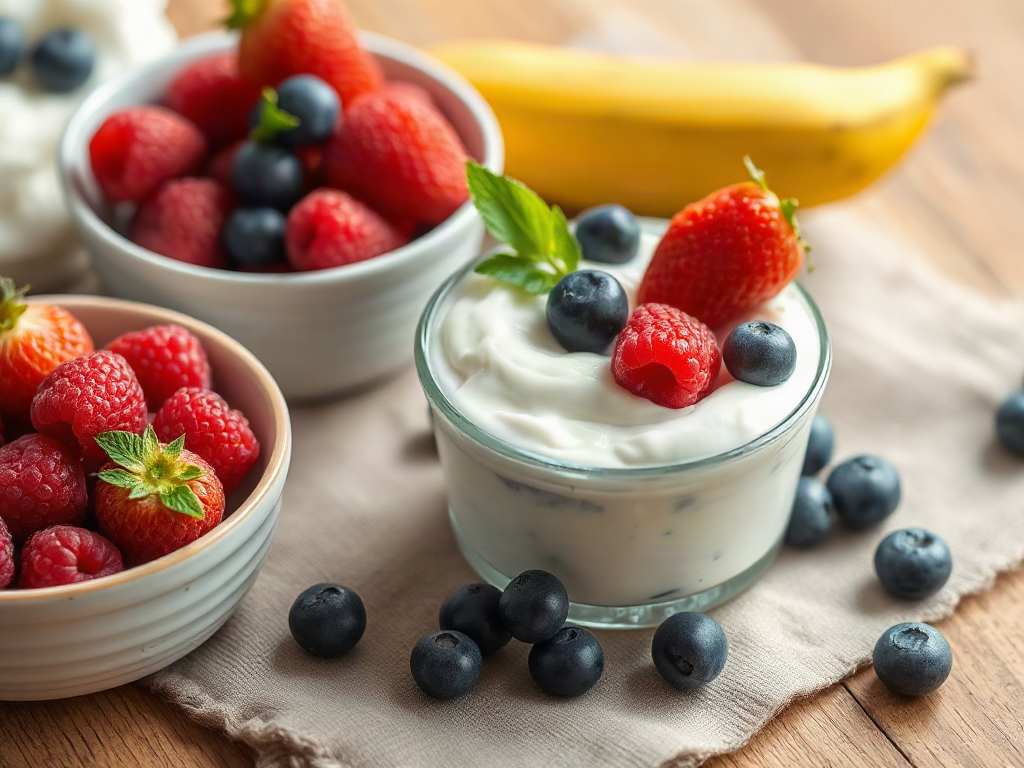
Healthy snacks for weight loss and better satiety combine protein, fiber, and enough volume to curb hunger without quietly adding meal-sized calories. Useful choices include Greek yogurt with berries, an apple with measured peanut butter, vegetables with hummus, or a hard-boiled egg with fruit. Portions still matter because nuts, cheese, granola, and spreads are nutritious but energy-dense. Snack when physical hunger appears or when a long gap between meals would otherwise lead to impulsive eating, rather than automatically eating by the clock. A satisfying snack should make the next meal easier to manage, not leave you searching for more food within minutes.
What Makes a Snack Filling Without Becoming a Second Meal
A filling snack usually contains at least two useful elements: a source of protein or fiber and a food that provides volume, texture, or both. Protein and fiber generally take longer to digest than refined starches and sugars, while water-rich produce occupies more space for relatively modest energy. A bowl of plain Greek yogurt and berries therefore tends to offer more staying power than the same calories from candy or a sweetened drink.
Protein-rich options include yogurt, cottage cheese, eggs, edamame, beans, tuna, and minimally processed soy foods. Fiber comes from fruit, vegetables, legumes, intact whole grains, nuts, and seeds. Combining categories often works better than relying on one item. An orange is refreshing but may not hold someone until dinner; adding a hard-boiled egg introduces protein and fat. Conversely, cheese supplies protein and fat but little fiber or volume, so pairing it with sliced peppers or a pear creates a more substantial snack.
Texture can affect how satisfying a snack feels. Foods that require chewing and cannot be consumed in seconds provide a clearer eating experience than juice, a sweet coffee drink, or a handful of crackers eaten at a desk. This does not mean liquid foods are inherently unsuitable. A smoothie can be filling when it contains whole fruit, unsweetened dairy or soy milk, and a measured source of seeds or yogurt. The problem arises when juice, syrups, sweetened powders, and unrestricted nut butter turn it into a high-energy drink that feels less substantial than a meal.
Energy density deserves equal attention. Nuts, seeds, avocado, cheese, and nut butter provide valuable nutrients, but small volumes contain considerable energy. Eating directly from a large container makes portions difficult to judge. Measure nut butter onto apple slices, place nuts in a small bowl, or buy plain single-serving packets when convenience matters. The goal is not to avoid fat; it is to prevent a nutritious ingredient from becoming an unrecognized source of excess calories.
A practical test is to ask whether the snack addresses the type of hunger present. Physical hunger builds gradually and is usually satisfied by several food choices. A craving triggered by boredom, stress, or easy access may persist even after enough food has been eaten. Food can still be enjoyed for reasons other than hunger, but recognizing the distinction makes healthy snacks for weight loss and better satiety easier to choose deliberately.
Whole-Food Snack Combinations for Different Needs
The best snack depends on the next meal, the eating environment, and the amount of hunger involved. A person who needs a small bridge to dinner may be satisfied by fruit and yogurt. Someone facing several hours of travel may need a sturdier combination such as a whole-grain wrap with turkey and vegetables. Treating every snack as interchangeable often produces either inadequate satiety or more food than the situation requires.
For a sweet option, pair plain Greek yogurt or unsweetened soy yogurt with berries and a spoonful of chia seeds. The yogurt supplies protein, while the fruit and seeds add fiber. Cinnamon or vanilla can add flavor without turning the snack into dessert. People who dislike yogurt can use cottage cheese with peaches, or oatmeal made with milk and topped with chopped fruit. Sweetened yogurt and packaged oatmeal are not automatically poor choices, but comparing added sugars can reveal products that deliver less protein and fiber than expected.
For a savory snack, try raw carrots, cucumber, peppers, or snap peas with hummus. Hummus contributes some protein, fiber, and fat, although a thin smear may not satisfy substantial hunger. Edamame, roasted chickpeas, or a hard-boiled egg can make the snack more durable. Whole-grain crackers with tuna or cottage cheese are another option, but crackers should support the protein-rich topping rather than make up nearly the entire portion.
Portable choices require extra judgment because many shelf-stable snack products rely on refined flour, added sweeteners, or large servings of dried fruit. A simple travel kit might contain an apple, a measured serving of nuts, and a shelf-stable tuna pouch if refrigeration and the setting permit. Roasted chickpeas, plain popcorn, and lower-sugar whole-food bars can also work. Check whether a bar is genuinely substantial or merely a compact sweet with health-oriented packaging. Protein, fiber, ingredient composition, and serving size are more informative than claims printed on the front.
Budget-friendly snacks do not require specialty products. Bananas with peanut butter, homemade popcorn, boiled eggs, carrots with bean dip, and leftover oatmeal are often economical. Frozen fruit can be thawed into yogurt, and canned beans can become a quick dip. Prepared snack packs save time but usually cost more per serving and may include tiny portions that do not match the buyer’s hunger.
Dietary restrictions change the ingredients, not the basic structure. A dairy-free snack might combine unsweetened fortified soy yogurt with fruit; a nut-free option could use sunflower seed butter or roasted legumes. People managing allergies, kidney disease, diabetes, gastrointestinal disorders, or another medical condition may need individualized choices. Snack ideas are nutritional tools, not treatments, and ingredient suitability depends on personal tolerance and clinical guidance.
Portion Size and Timing That Support Weight Loss
Snacking supports weight management only when it solves a specific problem. It may prevent extreme hunger before a late meal, supply nutrients missing from meals, or provide planned fuel around physical activity. It does not automatically increase metabolism or produce weight loss. If snacks are added without any change in hunger, meals, or total intake, they can simply raise daily energy consumption.
Start by identifying the job the snack needs to perform. A light snack is appropriate when dinner is an hour or two away and hunger is distracting. A more substantial option makes sense when lunch was early and dinner will be late. The following check keeps the decision concrete:
- Rate the hunger: Is it mild, moderate, or strong enough that a small snack will feel inadequate?
- Check the time: How long remains until the next planned meal?
- Choose the structure: Pair protein or fiber with fruit, vegetables, or an intact whole grain.
- Set the portion: Plate it before eating instead of carrying the package.
- Reassess afterward: Notice whether hunger settles and remains manageable.
Rigid calorie limits are not necessary for everyone, and individual needs vary with body size, activity, health status, and overall eating pattern. Portion awareness can still be practical. A spoonful of peanut butter with an apple serves a different purpose from several unmeasured spoonfuls. A small bowl of popcorn differs from repeated refills during a movie. Pre-portioning is especially useful for nuts, trail mix, cheese, granola, dried fruit, and chips because their serving size is easy to underestimate.
Timing should follow a recurring need rather than a universal schedule. Someone who eats lunch at noon and dinner at seven may benefit from a midafternoon snack. Someone who eats an early dinner may not need one. Evening snacking is not inherently fattening, but it often occurs after nutritional needs have been met and may involve highly palatable foods eaten while distracted. If genuine hunger repeatedly appears before bed, examine dinner: a meal low in protein, vegetables, legumes, or whole grains may be too small or poorly balanced.
Skipping a needed snack can also backfire. Arriving at dinner ravenous may lead to rapid eating, large portions, and reduced awareness of fullness. The opposite mistake is “grazing” through the afternoon on small bites that never create a clear stopping point. A plated snack eaten while seated offers better feedback than crackers, candies, or office treats consumed intermittently.
Use timing as an experiment. Keep the snack consistent for several days and observe hunger before dinner, dinner portions, evening cravings, and energy. If the snack does not improve any of those outcomes, adjust its composition, size, or necessity rather than assuming more discipline is required.
How to Tell Whether Your Snack Routine Is Working
A useful snack routine produces observable changes: hunger becomes manageable, meals feel less urgent, and snack portions remain intentional. Scale movement alone cannot show whether a specific snack is effective because body weight fluctuates and reflects the complete eating pattern. Look instead at repeatable behaviors and appetite signals over a few weeks.
Signs of success include reaching the next meal comfortably, eating that meal at a normal pace, and feeling satisfied without searching for another snack shortly afterward. The routine should also be practical enough to repeat. A highly elaborate snack that requires fresh preparation every afternoon may fail on busy days, while yogurt cups, fruit, eggs, hummus, or pre-portioned nuts can reduce reliance on vending machines and convenience-store sweets.
Persistent hunger within an hour can indicate that the snack is too small or dominated by refined carbohydrate. Rice cakes alone, pretzels, or a small granola bar may provide crunch and quick energy but little protein or fiber. Add cottage cheese, hummus, an egg, roasted edamame, or another suitable protein source. If the snack is filling but weight-loss progress has stalled, inspect portions of calorie-dense additions and consider whether the snack is needed every day.
Another failure signal is compensation: choosing a “healthy” snack and then feeling entitled to eat more later. Nutrition labels and wellness language can create a health halo around granola, trail mix, energy bites, and baked vegetable chips. These products may fit an eating plan, but their ingredients do not cancel their energy content. Compare the amount actually eaten with a whole-food alternative that offers more volume, such as berries with yogurt or vegetables with bean dip.
Meals remain the foundation. If breakfast and lunch lack protein, produce, and fiber-rich carbohydrates, snacks may become repeated repairs for meals that were never satisfying. Strengthening lunch with beans, chicken, fish, tofu, eggs, or yogurt plus vegetables and a whole grain may reduce afternoon hunger more effectively than searching for the perfect snack. Readers building a broader routine around healthy snacks for weight loss and better satiety should evaluate meals and snacks together.
Keep a brief appetite record if patterns are unclear. Note the time, hunger level, snack, rough portion, and how you felt two hours later. This is not a requirement to count every calorie. It is a short diagnostic tool for finding whether hunger follows long meal gaps, low-protein meals, poor sleep, exercise, stress, or simple availability. Seek help from a registered dietitian or qualified clinician if hunger is unusually intense, weight changes are unexplained, eating feels compulsive, or restriction and food anxiety are increasing.
Frequently Asked Questions
What is the most filling type of snack for weight loss?
A snack combining protein and fiber is often most filling. Examples include Greek yogurt with berries, an egg with fruit, or hummus with vegetables.
Should I snack if I am trying to lose weight?
Snack when it manages genuine hunger or a long meal gap. If you are comfortable between balanced meals, adding a snack offers no automatic weight-loss advantage.
Are nuts a good weight-loss snack?
Nuts provide protein, fiber, and unsaturated fat, but they are energy-dense. Put a measured portion in a bowl rather than eating from the package.
Why am I hungry soon after eating a snack?
The snack may be too small or mostly refined carbohydrate. Add protein, fiber, or water-rich produce and check whether your preceding meal was substantial enough.
Is eating a snack at night bad for weight loss?
Timing alone does not determine weight change. Night snacks become less useful when they are habitual, distracted, or added after energy needs have already been met.
Conclusion
Choose snacks according to hunger, the time until the next meal, and the weakness they need to correct. Protein and fiber usually provide a stronger foundation than refined snack foods, while fruit and vegetables add volume and texture. Measure energy-dense ingredients such as nuts, cheese, seeds, granola, and spreads instead of treating their nutritional value as permission for unlimited portions.
Test one repeatable combination for several days and watch what happens at the next meal. A useful snack should reduce urgency, support a comfortable portion, and fit the day without constant preparation. If it leaves you hungry quickly, add protein or fiber; if it adds calories without changing appetite, make it smaller or remove it. Persistent hunger may point to undersized meals, poor sleep, medication effects, or a health concern that deserves individualized professional advice.
Related Content
- How to Ensure Superfoods Fit Into a Low-Carb Diet: Essential Foods and Practical Strategies
- Identifying Signs of Nutrient Deficiency with Whole Foods: Symptoms, Causes, and Effective Solutions
- Steps to Take If Whole Foods Lead to Fatigue: Identifying Causes and Effective Solutions
- How to Choose Affordable Superfoods Without Sacrificing Quality: Practical Steps for Smart Shopping
- Kabocha Squash Nutrition And Serving Benefits For Fiber-Rich Everyday Plates