
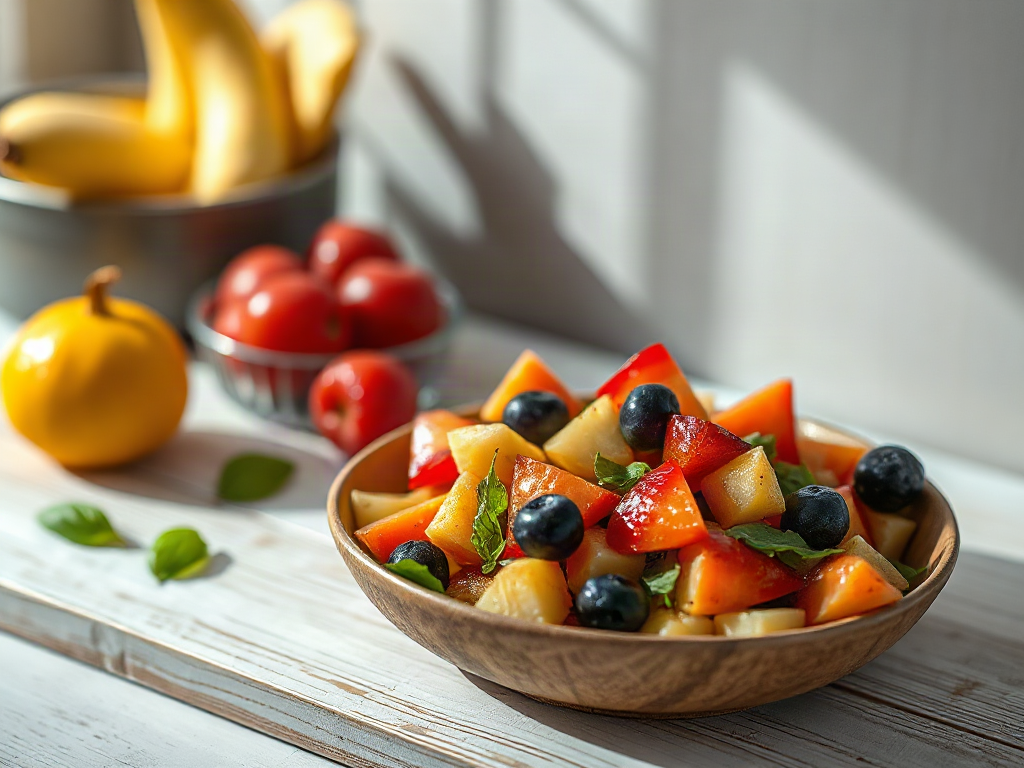
Natural GLP-1 foods may provide realistic appetite support by stimulating the body’s own gut-hormone response, slowing digestion, and making meals more satisfying, but they do not reproduce the potency of prescription GLP-1 medicines. Protein-rich foods, fermentable fiber, minimally processed carbohydrates, and unsaturated fats are the most useful components to combine. A practical meal might pair lentils or eggs with vegetables, intact grains, and olive oil rather than relying on a single supposed hormone-boosting ingredient. Results are usually modest and depend on portions, meal structure, sleep, medications, and individual digestion; persistent hunger or unexplained appetite changes deserve clinical attention.
How Food Influences GLP-1 and Fullness
GLP-1, or glucagon-like peptide-1, is a hormone released by specialized cells in the intestine after food arrives in the digestive tract. It participates in the signaling network that connects digestion, blood glucose regulation, stomach emptying, and appetite. Carbohydrate, protein, and fat can all contribute to its release, although their effects vary with food structure, nutrient composition, portion size, and the person eating the meal.
The phrase “natural GLP-1 foods” is convenient but scientifically imperfect. No whole food contains prescription GLP-1 medication, and eating a particular ingredient does not create the same hormone exposure as a drug designed to act on GLP-1 receptors. Food instead provides nutrients that may prompt the body’s own short-lived GLP-1 secretion while also affecting fullness through chewing, stomach volume, protein intake, fiber fermentation, and sensory satisfaction.
That distinction changes how appetite-supportive eating should be judged. A bowl of beans, vegetables, and intact grain does not need to produce a dramatic hormonal effect to be useful. It supplies protein and fiber, requires more chewing than a refined snack, holds water, and generally takes longer to digest. Some fermentable fibers also reach the colon, where gut microbes produce short-chain fatty acids that may interact with appetite-related signaling. The practical result may be a slower return of hunger, though responses differ and the mechanism is not exclusively GLP-1.
Processing can weaken these advantages without making a food inherently “bad.” A whole apple preserves its cellular structure and requires chewing; clear apple juice delivers much of its carbohydrate quickly with little fiber and limited physical volume. Likewise, cooked oats usually provide more sustained satisfaction than a sweetened drink made with oat powder. Liquid calories, finely milled foods, and highly palatable combinations can be easy to consume rapidly, sometimes outpacing the signals that normally help end a meal.
A useful way to interpret Natural GLP-1 foods and realistic appetite support is therefore to focus on meal-level effects rather than chasing one ingredient. Notice whether breakfast holds you until the next planned meal, whether portions feel comfortable rather than restrictive, and whether energy remains reasonably steady. Those outcomes are more actionable than trying to infer a hormone level from how a food is marketed.
Food Categories With the Strongest Practical Case
Protein, fiber-rich plants, minimally processed starches, and unsaturated fats offer the most credible whole-food foundation for appetite support. Each contributes through partly different pathways, which is why combinations usually work better than isolated “GLP-1 boosters.” The goal is not to maximize every nutrient at once but to include enough structure and nutritional substance for the meal to register as complete.
Protein-rich whole foods
Eggs, plain Greek yogurt, cottage cheese, fish, poultry, tofu, tempeh, lentils, and beans can make a meal more filling than one dominated by refined starch. Protein stimulates several digestive and satiety signals, including GLP-1, and often delays the return of hunger. The source can be chosen around budget, preferences, and tolerance: dried lentils are economical and fiber-rich, while yogurt or eggs may be easier at breakfast. Processed protein bars can be convenient, but some are closer to candy in texture and added ingredients and may not satisfy as well as a plated meal.
Fiber-rich plants and intact carbohydrates
Beans, chickpeas, peas, oats, barley, berries, pears, apples, leafy vegetables, broccoli, and other vegetables add bulk and slow eating. Viscous fibers found in foods such as oats and barley form a gel-like mixture during digestion, while fermentable fibers can feed intestinal microbes. Intact grains and legumes generally retain more physical structure than flour-based products, which can moderate eating speed and digestion. Increasing fiber too quickly, however, may cause gas, bloating, or discomfort; gradual changes and adequate fluid are more sensible than an abrupt high-fiber overhaul.
Fats used as part of a meal
Olive oil, avocado, nuts, seeds, and oily fish contribute unsaturated fats and can improve the flavor and staying power of a meal. Fat also participates in intestinal signaling, but it is energy-dense. Pouring large amounts of oil onto food in an attempt to increase GLP-1 can add substantial energy without a proportional improvement in fullness. A measured spoonful of seeds, a small handful of nuts, or a modest oil-based dressing is usually more practical than treating fat as an unlimited appetite remedy.
Fermented foods such as plain yogurt, kefir, kimchi, and sauerkraut are sometimes promoted as direct GLP-1 enhancers because of interest in the gut microbiome. They can fit a varied diet, but evidence does not justify treating them as reliable appetite treatments. Choose them for their broader nutritional role and taste, not because a single serving is expected to suppress hunger. That same standard applies to vinegar, bitter vegetables, spices, and other ingredients associated with hormone claims: useful additions are not equivalent to proven therapies.
Building Meals for Longer-Lasting Satisfaction
A satisfying meal is easier to create by combining complementary components than by calculating a theoretical GLP-1 effect. Start with a clear protein source, add one or more high-fiber plants, include an intact or minimally processed carbohydrate when appropriate, and use a moderate amount of unsaturated fat. This structure accommodates different cuisines and does not require specialty products.
At breakfast, plain Greek yogurt with berries, oats, and walnuts offers protein, viscous fiber, fruit structure, and fat. Compare that with sweetened coffee and a pastry: both may provide ample energy, but the latter is easy to consume quickly and often contains little protein or intact fiber. For someone who dislikes yogurt, eggs with beans, sautéed vegetables, and corn tortillas can serve the same functional purpose without copying the same foods.
Lunch might combine lentils, roasted vegetables, barley, greens, and an olive-oil dressing. Dinner could feature salmon or tofu with broccoli and a baked potato eaten with its skin. These meals are not inherently low-calorie, nor must they be. Their advantage is that multiple fullness cues arrive together: volume, chewing, protein, fiber, fat, and a recognizable endpoint to the meal. Portions still matter, particularly when generous amounts of oil, cheese, nuts, or sauces are added.
A compact meal-building sequence can make the approach easier to repeat:
- Name the protein: choose beans, lentils, eggs, dairy, fish, poultry, tofu, or tempeh.
- Add plant volume: include vegetables, fruit, or both in a form that retains texture.
- Choose the carbohydrate deliberately: favor oats, barley, intact grains, potatoes, or legumes over a meal built mainly from refined flour.
- Add fat for flavor and staying power: use nuts, seeds, avocado, fish, or a measured dressing.
- Check the eating context: sit down when possible, slow the first few minutes, and allow fullness signals time to develop.
Snacks need similar judgment. An apple with peanut butter, vegetables with hummus, or plain yogurt with fruit usually combines more appetite-relevant features than crackers alone. Yet not everyone needs a snack. Adding one automatically because it appears “balanced” can work against a person who is already comfortable between meals. The better question is whether the snack addresses physical hunger and bridges a genuine scheduling gap.
Meal timing is secondary to composition and personal routine. Some people function well with three substantial meals; others need a planned afternoon snack because work pushes dinner late. Skipping breakfast is not automatically harmful, but it is a poor strategy if it repeatedly leads to urgent hunger and uncontrolled evening eating. Use Natural GLP-1 foods and realistic appetite support as a flexible meal pattern, not a rigid fasting or grazing rule.
Limits, Mistakes, and Signs the Approach Is Working
Food-based appetite support should be expected to produce subtle, variable changes rather than medication-like suppression. Prescription GLP-1 receptor agonists are formulated to produce sustained pharmacologic effects and are used under medical supervision. Beans, yogurt, vegetables, and olive oil remain valuable foods, but describing them as a substitute for prescribed treatment misrepresents both nutrition and medicine.
The most common mistake is reducing the topic to one fashionable ingredient. Adding vinegar, resistant starch, or a fermented product to an otherwise low-protein, highly refined meal does not repair the entire eating pattern. Another mistake is pursuing maximum fiber immediately. Someone who changes from a low-fiber diet to large servings of beans, bran, raw vegetables, and seeds within a few days may experience enough digestive discomfort to abandon the approach. Smaller additions, thorough cooking, and gradual progression are more durable.
Under-eating can also masquerade as a failed appetite strategy. Persistent preoccupation with food, waking hungry, irritability, low energy, or recurrent evening overeating may indicate that meals are too small, even if they contain nutritious ingredients. A salad with a few vegetables and minimal dressing has volume but may lack adequate protein and energy. Adding chickpeas, eggs, tofu, chicken, an intact grain, and an appropriate dressing can make it function as a meal rather than a temporary stomach filler.
Signs that the pattern is working include reaching the next meal without distracting hunger, feeling comfortably satisfied rather than painfully full, and finding portions easier to manage without constant restraint. Signs it is failing include worsening bloating, reliance on large amounts of caffeine to ignore hunger, repeated rebound eating, or a growing list of forbidden foods. Track these practical outcomes for a week or two instead of expecting a dramatic change after one meal.
Medical context matters. Appetite can be affected by diabetes, gastrointestinal conditions, thyroid disorders, pregnancy, stress, sleep loss, mood, and numerous medications. People using glucose-lowering drugs should not make major dietary changes or alter medication based on food-hormone claims without speaking with their clinician. Anyone taking a GLP-1 medicine may also need individualized guidance if nausea, vomiting, constipation, dehydration, or difficulty eating enough develops.
Unexplained appetite loss, persistent excessive hunger, unintended weight change, trouble swallowing, recurrent vomiting, or significant abdominal pain warrants professional assessment rather than further dietary experimentation. For routine meal planning, a registered dietitian can adapt Natural GLP-1 foods and realistic appetite support to allergies, digestive tolerance, cultural preferences, budget, and health conditions without promising a drug-like result.
Frequently Asked Questions
Which foods naturally increase GLP-1?
Protein-rich foods, legumes, fiber-rich vegetables, intact grains, nuts, seeds, and unsaturated fats may contribute to the body’s post-meal GLP-1 response. Their practical value comes from the full combination of protein, fiber, food structure, and digestion—not from one guaranteed hormone-boosting ingredient.
Can natural foods work like a GLP-1 medication?
No. Food can stimulate the body’s own short-lived digestive signals, but it does not provide the sustained receptor activity or appetite effects of prescription GLP-1 medicines. Food should not be presented as a replacement for prescribed treatment.
What is a good GLP-1-supportive breakfast?
Try plain Greek yogurt with oats, berries, and walnuts, or eggs with beans and vegetables. Both combine protein, fiber, texture, and some fat, which is generally more satisfying than a breakfast based mainly on juice, sweetened coffee, or refined pastry.
Does fiber always reduce appetite?
No. Fiber may improve fullness, but the effect varies by type, dose, meal composition, and individual tolerance. A high-volume meal can still feel incomplete if it lacks protein or adequate energy, and rapid fiber increases can cause digestive discomfort.
How quickly should appetite changes appear?
A balanced meal may feel more satisfying the same day, but evaluating a consistent pattern over one or two weeks is more useful. Look for manageable hunger between meals and fewer rebound-eating episodes rather than dramatic appetite suppression.
Conclusion
Use GLP-1 biology as context for better meal design, not as a reason to chase a special ingredient. Meals built around a substantial protein source, fiber-rich plants, minimally processed carbohydrates, and moderate unsaturated fat offer the strongest practical starting point. Increase fiber gradually, preserve food texture when convenient, and judge progress by comfortable satisfaction, stable meal-to-meal hunger, and digestive tolerance.
If the pattern leaves you constantly hungry, bloated, fatigued, or prone to rebound eating, review meal size and composition before imposing more restriction. Food effects remain far milder than those of GLP-1 medications, and nutrition claims should never drive medication changes. Persistent or unexplained appetite symptoms, significant weight changes, or treatment-related digestive problems belong in a conversation with a qualified clinician or registered dietitian.
Related Content
- Why Some People Feel Worse After Eating Superfoods: Common Causes and Misunderstandings
- How to Identify Hidden Sugars in Superfoods: Key Ingredients and Label Insights
- Can Superfoods Really Replace Multivitamins? (What Science Says)
- Plant Forward Diet Principles For Balanced Eating Through Better Plate Design
- Can Too Many Superfoods Cause Digestive Issues: Recognizing Symptoms and Managing Intake