
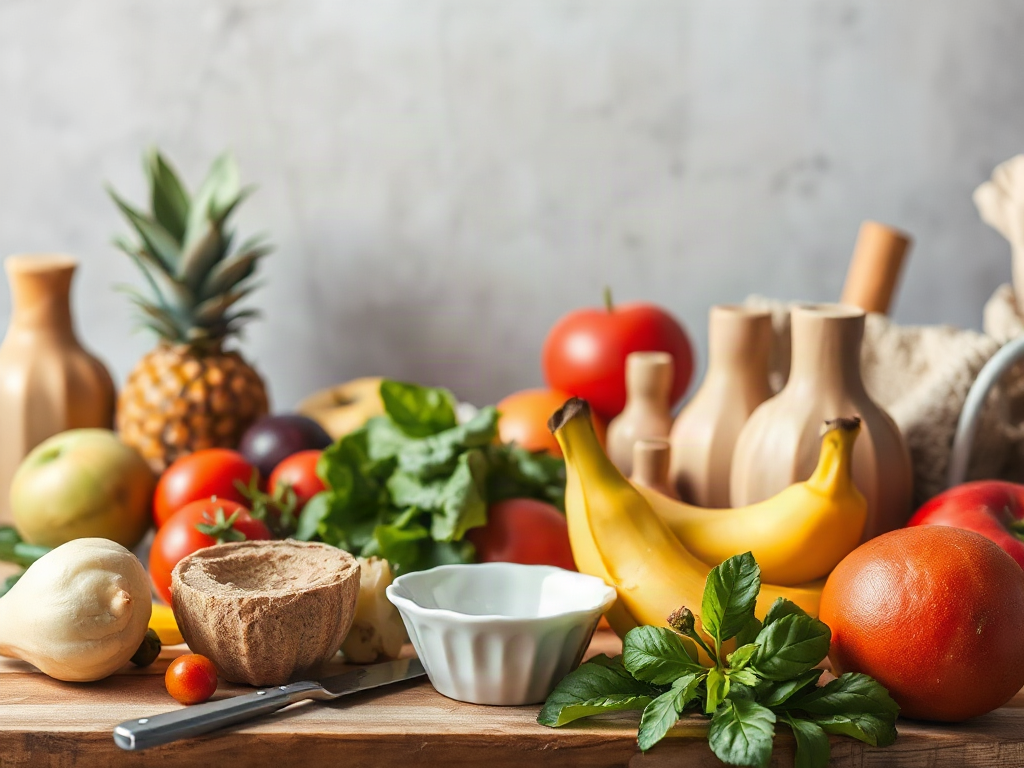
Mediterranean diet and fertility nutrition considerations center on a varied eating pattern rich in vegetables, fruit, legumes, whole grains, olive oil, nuts, fish, and adequate protein rather than any single fertility food. These choices provide folate, iron, zinc, omega-3 fats, fiber, and antioxidants involved in reproductive health, while replacing many refined carbohydrates and heavily processed meats. Practical planning should also address fish-mercury exposure, vitamin B12 for plant-forward eaters, iron status, alcohol intake, and sufficient energy for regular ovulation and sperm production. This pattern may support preconception health, but it cannot correct every medical cause of infertility or guarantee pregnancy.
How Does the Mediterranean Pattern Relate to Fertility?
The Mediterranean pattern is relevant to fertility because it changes the overall nutritional environment in which reproductive processes occur. Its defining features include abundant plant foods, extra-virgin olive oil as a principal added fat, regular legumes and whole grains, moderate fish and dairy, and fewer refined grains, processed meats, and sugar-heavy products. That combination affects nutrient intake, meal quality, and cardiometabolic health more meaningfully than adding a single fashionable ingredient.
Reproduction requires adequate energy and a reliable supply of micronutrients and fatty acids. Folate contributes to normal cell division; iron is needed for oxygen transport; zinc participates in numerous cellular processes; and unsaturated fats provide an alternative to diets dominated by saturated fat. Vegetables, fruit, herbs, nuts, and olive oil also supply varied plant compounds. These mechanisms make the pattern biologically plausible as part of preconception care, but plausibility is not proof that it will overcome blocked fallopian tubes, severe sperm abnormalities, diminished ovarian reserve, endometriosis, or other clinical causes of infertility.
Research commonly examines the Mediterranean diet as a pattern rather than as a treatment. Some observational and fertility-care research associates greater adherence with favorable reproductive outcomes, but findings are not uniformly conclusive. People who follow the pattern may differ in physical activity, smoking, income, health care access, or other behaviors that also influence results. Dietary evidence should therefore be interpreted as supportive rather than predictive.
Consider two breakfasts: sweetened cereal with juice versus plain yogurt, oats, walnuts, berries, and seeds. The second meal generally offers more protein, fiber, minerals, and unsaturated fat, with a less concentrated refined-carbohydrate load. Repeating substitutions of that kind can improve dietary adequacy without requiring unusual products. The common mistake is treating olive oil, salmon, or walnuts as a stand-alone fertility remedy while the rest of the diet remains nutritionally thin.
A useful sign of progress is greater weekly variety: several types of vegetables, beans or lentils on multiple days, seafood when appropriate, and regular sources of protein. A failing approach often looks restrictive, leaves the person hungry, or depends on supplements while meals lack enough energy and variety.
Which Nutrients Deserve Priority Before Conception?
Folate, iron, vitamin B12, iodine, choline, zinc, vitamin D, and omega-3 fats deserve deliberate attention during preconception planning. A Mediterranean-style menu can supply many of them, but the pattern does not automatically cover every requirement. Personal needs differ with pregnancy potential, menstrual blood loss, dietary exclusions, medication use, laboratory findings, and diagnosed health conditions.
Leafy greens, beans, lentils, asparagus, citrus, and avocado contribute food folate. People who could become pregnant are commonly advised by public-health authorities to obtain folic acid around conception because food folate alone may not provide the recommended protection against neural tube defects. The appropriate supplement and dose should be discussed with a clinician, particularly after a previous affected pregnancy, with certain medications, or when medical conditions alter risk. A high-dose product should not be chosen casually.
Iron illustrates why food selection and context both matter. Lentils, chickpeas, tofu, pumpkin seeds, meat, and shellfish can contribute iron, but plant iron is generally absorbed less efficiently than iron from animal foods. Pairing lentils with tomatoes, peppers, or citrus adds vitamin C and may improve non-heme iron absorption. Tea or coffee taken with an iron-focused meal may reduce absorption. Someone with heavy menstrual bleeding, fatigue, or previously low ferritin should seek assessment rather than assuming that spinach or an unverified supplement will correct the problem.
Fish can provide protein, iodine, selenium, vitamin B12, and long-chain omega-3 fats. Selection still matters because mercury exposure varies by species. Salmon, sardines, trout, shrimp, and Atlantic or Pacific mackerel are examples commonly found on lower-mercury guidance lists, while fish-advisory recommendations should be checked for current details and locally caught seafood. Avoiding every fish out of caution may unnecessarily remove useful nutrients; eating large predatory fish frequently creates the opposite problem.
Plant-forward or vegan eaters should pay particular attention to vitamin B12 and iodine, and choline may require deliberate planning for many people. Eggs, dairy, seafood, legumes, soy foods, and some fortified products can help, depending on dietary preferences. Vitamin D is difficult to judge from menu appearance alone. Testing and supplementation decisions are better individualized than based on a generic fertility supplement bundle.
How to Build a Fertility-Aware Mediterranean Plate
A workable plate combines produce, a substantial protein source, a fiber-rich carbohydrate, and an unsaturated fat. The proportions need not be identical at every meal, and adequate total intake matters more than making every plate visually perfect. A person with high energy needs, low appetite, insulin resistance, food allergies, or gastrointestinal symptoms may need different portions and ingredient choices.
For lunch, a practical combination could be lentils, farro, roasted peppers, spinach, feta, and olive-oil dressing. Dinner might pair baked salmon with potatoes, green beans, tomatoes, and olives. A vegetarian alternative could use calcium-set tofu or white beans with brown rice and sautéed vegetables. Snacks such as yogurt with fruit, hummus with whole-grain pita, or an apple with nut butter can prevent an otherwise nutritious plan from becoming too low in energy.
The following checklist keeps attention on coverage rather than perfection:
- Protein: Include eggs, yogurt, fish, poultry, beans, lentils, tofu, or another meaningful source at each main meal.
- Plant variety: Rotate colors and types instead of relying on the same salad every day.
- Carbohydrate quality: Choose oats, barley, potatoes, brown rice, whole-grain bread, or legumes more often than highly refined alternatives.
- Fat quality: Use olive oil, nuts, seeds, avocado, and suitable fish while keeping portions adequate but practical.
- Nutrition gaps: Review folic acid, B12, iodine, iron, vitamin D, and other individual needs with an appropriate health professional.
Meal timing is usually secondary to nutritional adequacy unless a medical plan requires a particular schedule. Skipping meals to pursue weight loss can backfire when it causes low energy intake, intense evening hunger, or menstrual disruption. Conversely, “Mediterranean” does not make unlimited portions automatically suitable for someone managing blood glucose or energy balance. Olive oil and nuts are nutrient-rich but energy-dense, so portions should reflect the person’s needs rather than a fertility rule.
Budget constraints do not require abandoning the pattern. Dried or canned beans, frozen vegetables, oats, tinned sardines, peanut butter, seasonal fruit, and store-brand olive oil can form a practical base. Rinsing canned beans can reduce sodium, while frozen produce remains useful when fresh options spoil before use. The approach is working when meals are sustainable, hunger is manageable, and dietary variety improves. It is failing when shopping costs rise sharply, food rules multiply, or eating socially becomes difficult.
Common Mistakes and Medical Limits
The largest mistake is expecting diet quality to determine fertility on its own. Age, ovulatory function, ovarian reserve, tubal health, uterine conditions, semen parameters, medications, and the timing of intercourse or fertility treatment can all matter. Nutrition may strengthen the foundation for preconception health, but delaying clinical evaluation while trying increasingly restrictive food plans can cost valuable time.
Alcohol deserves particular caution. Mediterranean food traditions may include wine, but that cultural detail should not be interpreted as a fertility recommendation. People trying to conceive may choose to avoid alcohol, especially because pregnancy can begin before it is recognized. Smoking and recreational drug exposure also cannot be offset by eating vegetables, fish, or olive oil.
Another weak assumption is that lower body weight always means better reproductive health. Intentional weight changes may be appropriate for some people under professional guidance, yet aggressive calorie restriction can reduce nutrient intake and may disrupt ovulation. Men can also under-eat or follow highly restrictive regimens that provide inadequate energy and dietary variety. A steady eating pattern that covers nutritional needs is generally more defensible than detoxes, prolonged fasts, or the elimination of gluten, dairy, carbohydrates, or seed oils without a diagnosed reason.
Supplements create a separate risk. A prenatal vitamin may be appropriate before conception, but it does not replace meals and should not be combined thoughtlessly with additional iron, vitamin A, iodine, herbal blends, or “hormone-balancing” products. Excess intake and medication interactions are possible, and supplement labels do not establish that a product improves fertility. Bring all products to a pharmacist, registered dietitian, obstetric clinician, or fertility specialist for review.
Seek medical guidance sooner when menstrual cycles are absent or highly irregular, there is known endometriosis or prior pelvic disease, recurrent pregnancy loss has occurred, sexual function interferes with conception, or either partner has a known reproductive condition. Standard age- and situation-based timelines for infertility evaluation should also be discussed with a clinician. The practical priority is parallel action: improve dietary quality while pursuing appropriate assessment, rather than using food changes as a reason to postpone care.
Conclusion
A fertility-aware Mediterranean pattern is most useful as a consistent nutritional foundation, not a short-term intervention or promise of conception. Prioritize varied plants, sufficient protein and energy, minimally refined carbohydrates, olive oil and other unsaturated fats, and appropriately selected seafood. Then check the details that broad diet labels can hide: folic acid, iron status, vitamin B12, iodine, choline, vitamin D, mercury exposure, alcohol, and supplement overlap.
Choose two or three realistic meal changes first, such as replacing a refined breakfast, adding legumes twice weekly, or selecting lower-mercury fish. Review medical conditions, medications, and supplements with qualified professionals. If cycles are irregular, a reproductive condition is known, or conception is taking longer than expected, pursue clinical assessment while continuing sound nutrition rather than waiting for diet alone to solve the problem.
Frequently Asked Questions
Can a Mediterranean diet increase the chance of pregnancy?
It may support preconception nutrition and cardiometabolic health, and some research reports favorable associations with reproductive outcomes. It cannot guarantee pregnancy or correct structural, hormonal, age-related, or male-factor causes of infertility.
Should both partners follow the eating pattern?
Both partners can benefit from a varied, nutrient-dense pattern because egg and sperm health exist within each person’s broader health context. Each partner may still need different portions, supplements, tests, or clinical care.
Which fish choices are appropriate when trying to conceive?
Options such as salmon, sardines, trout, and shrimp are often included in lower-mercury guidance. Check current government fish advice, especially for locally caught seafood, rather than relying on a static list.
Is a prenatal vitamin necessary with a Mediterranean diet?
Food quality does not remove the need to consider folic acid and other individual requirements before pregnancy. A clinician or pharmacist can help select a suitable product and prevent overlapping doses from multiple supplements.
How long should someone follow this pattern before trying to conceive?
There is no proven duration that guarantees a fertility benefit. Adopting sustainable habits before conception allows time to improve dietary adequacy, review supplements, address deficiencies, and identify medical issues without postponing an indicated fertility evaluation.
Additional Resources
Authoritative Sources
- The impact of the Mediterranean Diet and low-glycemic diet ...
nsuworks.nova.eduApr 17, 2025 — Women following the Mediterranean diet will possibly yield higher rates of fertility and minimize symptoms of PCOS through dietary adherence. Read more