
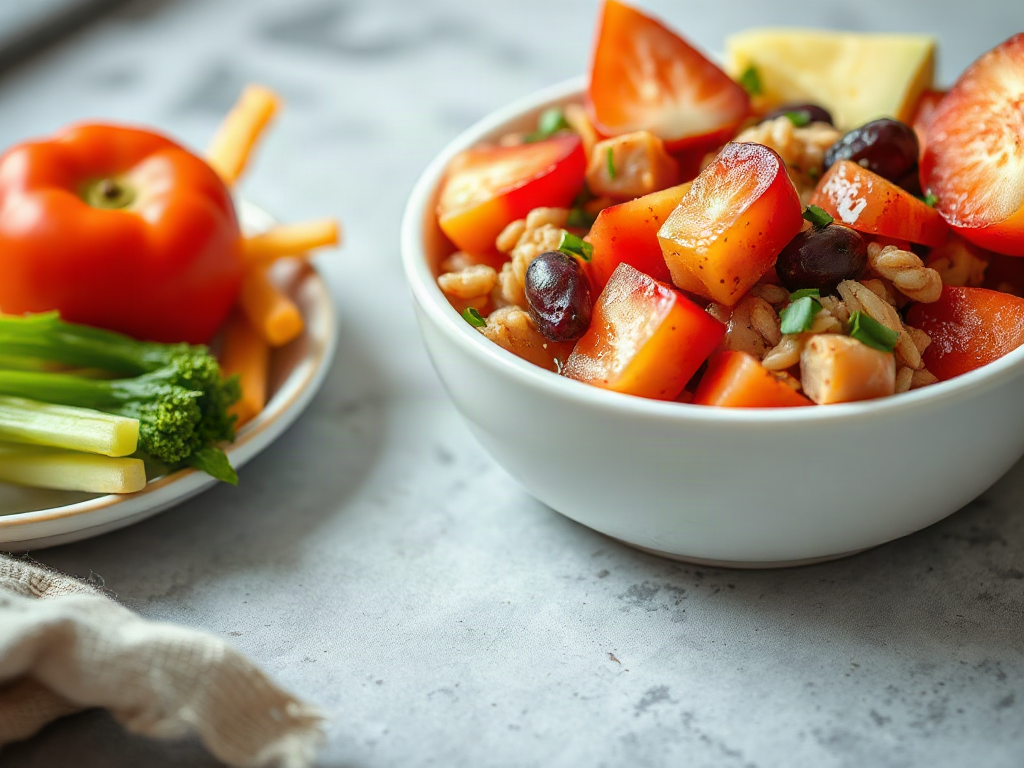
Low-calorie filling foods make larger portions possible by combining water-rich vegetables, fiber-rich fruit and whole grains, and lean protein without relying on heavy amounts of oil, sugar, or refined starch. Useful choices include broth-based vegetable soup, potatoes, berries, Greek yogurt, eggs, beans, popcorn, and vegetables such as broccoli, cabbage, and zucchini. Build meals around produce and protein, then add a measured serving of starch and fat for staying power. Portion size alone does not guarantee fullness: meals may fail when they contain too little protein, exclude fat entirely, or hide substantial calories in dressings, cheese, cooking oil, and sweetened drinks.
Why Some Lower-Calorie Choices Feel More Substantial
Food volume is shaped largely by water, air, and fiber, all of which can increase the physical size of a serving without adding calories at the same rate as fat or sugar. A bowl containing cabbage, tomatoes, mushrooms, beans, and broth occupies much more space than a small serving of crackers with cheese, even when the two meals provide similar energy. The larger bowl also takes longer to eat and creates more opportunities to notice emerging fullness.
Water-rich produce is particularly useful because water is held within the food’s structure. Oranges, strawberries, zucchini, tomatoes, and leafy greens require chewing and provide bulk in a way that drinking water beside a compact snack does not fully reproduce. Blending can still preserve nutrients and fiber, but a smoothie is often consumed faster than intact fruit and may be less satisfying for some people. Texture and eating speed therefore matter alongside calorie totals.
Protein and fiber extend the value of volume. Protein-rich choices such as eggs, fish, chicken breast, tofu, cottage cheese, and plain Greek yogurt tend to make a meal more durable than vegetables alone. Beans, lentils, oats, barley, potatoes with their skin, and whole fruit contribute fiber and digestible carbohydrate. Combining these elements is usually more effective than treating fullness as a contest to find the single food with the fewest calories.
Fat deserves a measured role rather than complete removal. Nuts, seeds, avocado, cheese, and oil are energy-dense, but a modest amount adds flavor and may make a meal more satisfying. The common mistake is pouring oil or dressing freely because it seems nutritionally wholesome. A large salad can shift from a relatively light meal to a calorie-dense one when generous handfuls of nuts, cheese, dried fruit, and oily dressing accumulate.
A useful test is to ask whether a plate contains bulk, protein, fiber, and enough flavor to be enjoyable. If hunger returns quickly, the solution may be more protein or a sensible serving of starch—not another mound of plain lettuce. The aim of low-calorie filling foods for larger portions is a satisfying eating pattern, not the largest possible plate at any nutritional cost.
12 Filling Choices for Generous Servings
The most useful options are ordinary foods that can anchor real meals, not only raw vegetables served without accompaniments. Individual calorie content varies by variety, preparation, and serving size, so labels or a dependable food database are preferable when precise tracking matters. These 12 choices cover produce, protein, legumes, whole grains, and snacks:
- Broth-based vegetable soup: Broth and vegetables create substantial bowl volume. Add chicken, beans, lentils, or tofu so the soup functions as a meal rather than a short-lived starter.
- Boiled or baked potatoes: Potatoes provide water, carbohydrate, potassium, and some fiber, especially with the skin. Frying or adding abundant butter changes their energy density considerably.
- Berries: Strawberries, raspberries, and blueberries offer sweetness, water, and fiber. Pair them with plain Greek yogurt or cottage cheese for a more complete snack.
- Apples and oranges: Intact fruit requires more chewing than juice and retains its fiber. Juice is easier to consume quickly and offers less physical volume per calorie.
- Broccoli and cauliflower: Roasting, steaming, or adding these vegetables to stir-fries increases serving size. Measure cooking oil rather than letting the vegetables absorb an untracked amount.
- Cabbage: Raw cabbage adds crunch to slaws, while cooked cabbage provides bulk in soups, skillets, and grain bowls. Creamy dressings can outweigh the calorie advantage.
- Zucchini and mushrooms: Both cook down well in pasta sauces, omelets, and sautéed mixtures. They can expand a dish without pretending to be a full substitute for protein or carbohydrate.
- Plain Greek yogurt: Its protein makes it more sustaining than many sweetened yogurts. Fruit and cinnamon add sweetness without turning it into dessert by default.
- Eggs: Eggs combine protein and fat in a compact form. Scrambling two eggs with peppers, spinach, and mushrooms creates more volume than adding several extra eggs.
- Beans and lentils: Legumes provide protein, fiber, and starch. They contain more calories than watery vegetables, but their nutritional density and staying power make them valuable meal components.
- Oatmeal: Oats absorb liquid during cooking, creating a larger serving than dry cereal of comparable weight. Fruit can add volume; large quantities of nut butter, syrup, or granola add concentrated energy.
- Air-popped popcorn: Popcorn’s air-filled structure produces a generous visual serving. Heavy butter coatings, caramel, and cheese powders can turn it into a different nutritional proposition.
No choice works equally well for every appetite or digestive system. Large servings of legumes, cruciferous vegetables, or high-fiber grains may cause discomfort if intake rises abruptly. Increase fiber gradually and use cooked vegetables when raw produce feels difficult to tolerate. People following medically prescribed diets should also account for individual restrictions rather than assuming every high-volume food is appropriate.
A Reliable Method for Building a High-Volume Plate
A high-volume meal works best when vegetables expand the plate while protein and a deliberate carbohydrate serving make it last. Begin with a substantial amount of non-starchy vegetables, but choose a preparation you genuinely enjoy: roasted carrots and cauliflower, a tomato-cucumber salad, sautéed greens, or a vegetable soup all qualify. Plain raw leaves are not mandatory, and forcing an unappealing preparation often leads to compensatory snacking later.
Next, add a clear protein source. A practical dinner might combine roasted broccoli and peppers with baked fish and a potato. A plant-based version could use cabbage, mushrooms, edamame, and tofu over brown rice. For breakfast, oatmeal with berries becomes more sustaining when accompanied by Greek yogurt or eggs. These combinations work because each part has a job: produce supplies volume, protein contributes staying power, and starch provides usable energy and meal satisfaction.
Use the following assembly order when a meal feels too small for its calorie target:
- Expand with produce: Add cooked vegetables, salad vegetables, whole fruit, or broth-based soup.
- Secure the protein: Include eggs, fish, poultry, yogurt, cottage cheese, tofu, tempeh, beans, or lentils.
- Choose a measured starch: Use potatoes, oats, barley, brown rice, corn, or whole-grain bread according to hunger and activity needs.
- Budget concentrated extras: Measure oil, dressing, nuts, seeds, cheese, sauces, and spreads rather than removing them automatically.
- Check the result: Notice whether the meal is satisfying for several hours and adjust protein, fiber, starch, or fat at the next meal.
Consider pasta as a real-world example. Replacing the entire serving with zucchini noodles may create a very light plate, but some diners remain hungry because the meal lacks enough carbohydrate or protein. A more durable compromise mixes a moderate serving of pasta with zucchini, mushrooms, tomato sauce, and lean ground turkey or lentils. The plate stays generous while preserving the taste and structure expected from pasta.
Signs the method is working include comfortable fullness, manageable hunger between meals, and no persistent urge to compensate with snacks. Signs it is failing include feeling physically stuffed yet unsatisfied, thinking constantly about food, or repeatedly adding unplanned extras. Those patterns suggest the plate may be too low in protein, carbohydrate, fat, or total energy. Volume eating should support adequate nutrition, not disguise chronic under-eating.
Hidden Calories and Other Reasons Large Plates Fail
Preparation method can matter as much as ingredient choice. Vegetables are naturally water-rich, but frying removes some water and adds fat; roasting with a light measured coating differs from letting oil pool across the pan. Soup may be relatively light when based on broth, vegetables, and lean protein, yet cream, coconut milk, cheese, or large noodle portions can raise its energy density quickly. None of those ingredients is inherently unacceptable, but they must be counted as part of the meal rather than treated as invisible seasoning.
Condiments create another blind spot. A bowl built from lettuce, cucumber, tomato, grilled chicken, avocado, cheese, seeds, croutons, and dressing may be nutritious, but it is not necessarily low-calorie. Using every desirable topping at once defeats the intended tradeoff. Keep the chicken and select one or two concentrated additions—for example, avocado with a yogurt-based dressing, or cheese with vinaigrette—rather than stacking all of them.
Liquid calories often sit outside the mental boundary of a meal. Sweetened coffee, soda, juice, alcohol, and elaborate smoothies may contribute substantial energy without the chewing and food volume supplied by intact ingredients. A smoothie can be useful when convenience or appetite makes solid food difficult, but it should not automatically be assumed to be lighter than a plated breakfast. Nut butter, sweeteners, full-fat dairy, juice, and multiple fruit servings can create a concentrated drink.
Extreme substitution is the opposite failure. Replacing rice with cauliflower rice, pasta with spiralized vegetables, and dessert with fruit can reduce energy intake, but doing all three in one meal may leave it nutritionally incomplete. A hybrid approach often works better: combine cauliflower rice with regular rice, blend mushrooms into ground meat, or mix zucchini strands with pasta. Such combinations preserve familiar texture and energy while increasing food volume.
Evaluate low-calorie filling foods for larger portions by the entire eating experience rather than plate size alone. Persistent fatigue, dizziness, intense hunger, reduced concentration, or an escalating preoccupation with eating are not signs to chase still lower-calorie ingredients. They warrant reassessing total intake and, when appropriate, discussing nutrition with a registered dietitian or healthcare professional. Larger servings are a practical option for appetite management, not a treatment for a medical condition or a reason to ignore the body’s energy needs.
Frequently Asked Questions
What food gives the largest serving for relatively few calories?
Broth-based vegetable soup, leafy salads with measured dressing, berries, melon, cabbage, zucchini, and air-popped popcorn all provide generous volume. The best choice depends on whether you need a snack, side, or complete meal.
Why am I still hungry after eating a large salad?
The salad may lack protein, carbohydrate, fat, or total energy. Add chicken, tofu, eggs, beans, or fish, plus a measured serving of potatoes, whole grains, avocado, seeds, or dressing.
Are potatoes suitable for a filling lower-calorie meal?
Boiled and baked potatoes can fit well because they contain water and provide satisfying carbohydrate. Butter, oil, cheese, sour cream, and frying have a major effect on the finished dish’s calorie density.
Is popcorn a better snack than chips?
Air-popped or lightly seasoned popcorn generally offers more physical volume than an equal-calorie serving of fried chips. Check packaged versions for added oil, sugar, cheese coatings, and serving-size differences.
Can volume eating cause digestive discomfort?
Yes. A sudden increase in beans, whole grains, raw vegetables, or cruciferous vegetables may cause gas or bloating. Increase fiber gradually, drink adequate fluids, and try cooked produce or smaller servings if needed.
Conclusion
Generous servings are most useful when they improve satisfaction without displacing protein, essential fats, or adequate energy. Build around vegetables or whole fruit, include a dependable protein source, and retain enough potatoes, grains, beans, or other carbohydrate to make the meal functional. Measure oils, dressings, nuts, cheese, and sweetened beverages because concentrated extras can change the result more than the base ingredients.
Try the method on one familiar meal rather than rebuilding your entire diet. Add vegetables to pasta, pair fruit with Greek yogurt, bulk out a skillet with cabbage and mushrooms, or serve soup before a smaller entrée. Then judge the outcome by comfortable fullness and steady energy—not by plate size alone. If larger portions repeatedly leave you hungry or unwell, increase the meal’s nutritional substance and seek individualized advice when symptoms persist.
Related Content
- Low Sulfur Diet Foods And Practical Meal Limits For Safer Daily Planning
- Issues With Imported Superfoods and Their Nutritional Value: Understanding Quality Control and Nutrient Retention
- How to Start a Whole Food Superfood Routine (Step-by-Step)
- What to Prioritize When Selecting Superfoods for Detox: Essential Nutrients, Sources, and Timing
- How To Find Affordable Whole Food Options That Build Low-Cost Meals