Foods for Vaginal Health and Microbiome Support: What to Eat and What to Avoid
Whole Food Nutrition

Foods for Vaginal Health and Microbiome Support: What to Eat and What to Avoid

Foods for vaginal health and microbiome support are mainly whole, fiber-rich foods, fermented options, and nutrient-dense meals that support immune function and normal hormone-related physiology rather than directly changing vaginal bacteria. Vegetables, beans, whole grains, berries, nuts, seeds, and unsweetened yogurt can contribute useful fiber, vitamin C, zinc, and live…

Follicular Phase Foods for Cycle-Based Nutrition—What to Eat, When to Eat It, and Why
Whole Food Nutrition

Follicular Phase Foods for Cycle-Based Nutrition—What to Eat, When to Eat It, and Why

Follicular phase foods for cycle-based nutrition should provide steady energy through protein-rich whole foods, fiber-dense carbohydrates, colorful produce, and sources of iron, omega-3 fats, and calcium. As estrogen generally rises after menstruation, appetite and training tolerance may shift, but cycle-based eating is not a rigid prescription or substitute for adequate calories.

Quinoa Nutrition, Protein, and Carbohydrate Balance for Complete Plant-Based Meals
Whole Food

Natural Diuretic Foods and Hydration Cautions: Foods, Fluid Balance, and Warning Signs

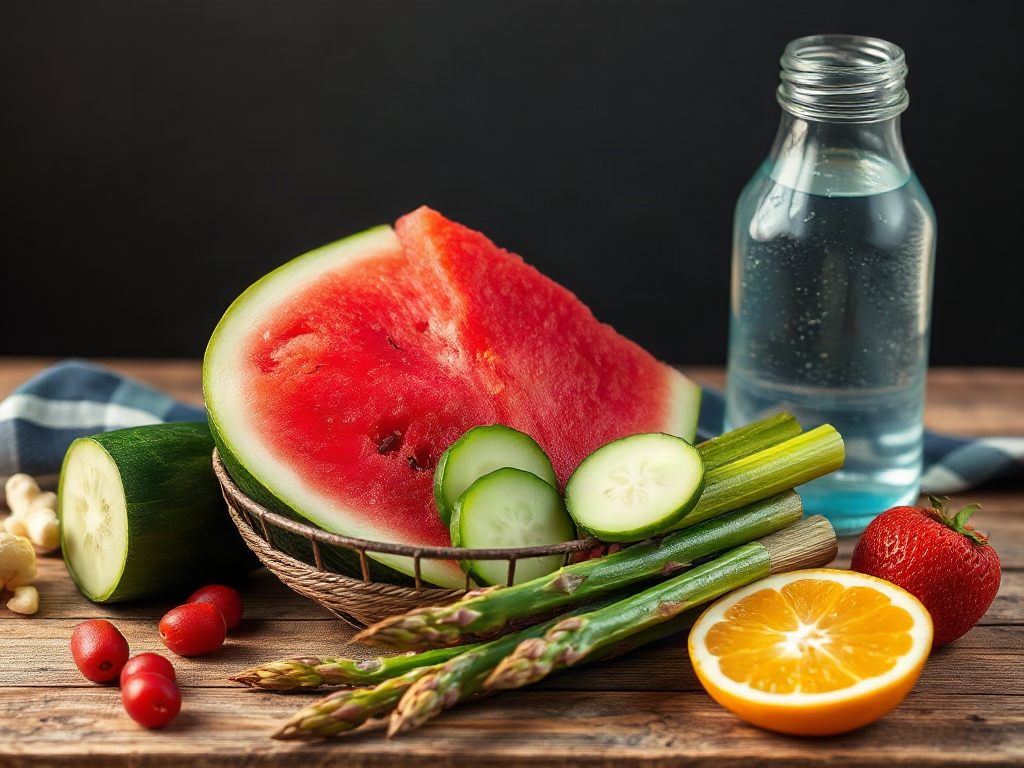
Natural diuretic foods and hydration cautions matter because foods such as watermelon, cucumber, asparagus, celery, citrus, and caffeinated drinks may increase urine output modestly while also supplying water or electrolytes. Their effect is usually milder than prescription diuretics, but large amounts, hot weather, vomiting, diarrhea, kidney disease, or medicines that…

Mediterranean Diet for Brain Health Fundamentals: Foods, Patterns, and Practical Priorities
Whole Food

Mediterranean Diet for Brain Health Fundamentals: Foods, Patterns, and Practical Priorities

Mediterranean diet for brain health fundamentals center on a consistent eating pattern built around vegetables, fruit, beans, whole grains, nuts, olive oil, and seafood, while limiting highly processed foods and excess saturated fat. Its potential brain-health value may come from combined effects on vascular function, inflammation, blood sugar regulation, and…

Cabbage Nutrition and Preparation Differences: Raw, Steamed, Fermented, and Braised Compared
Superfood Nutrition

Cabbage Nutrition and Preparation Differences: Raw, Steamed, Fermented, and Braised Compared

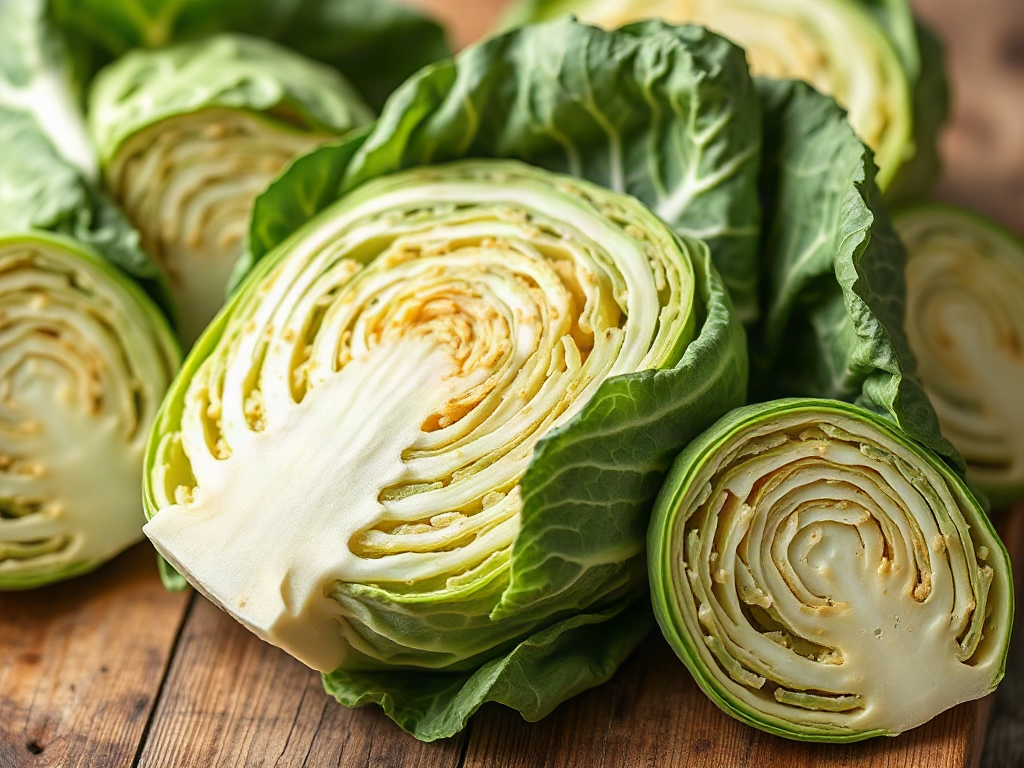
Cabbage nutrition and preparation differences mainly reflect how heat, water, acidity, and fermentation change vitamin retention, texture, digestibility, and sodium exposure. Raw cabbage preserves heat-sensitive vitamin C and offers a crisp source of fiber, while brief steaming softens leaves with less nutrient loss than prolonged boiling.

Scroll to Top