
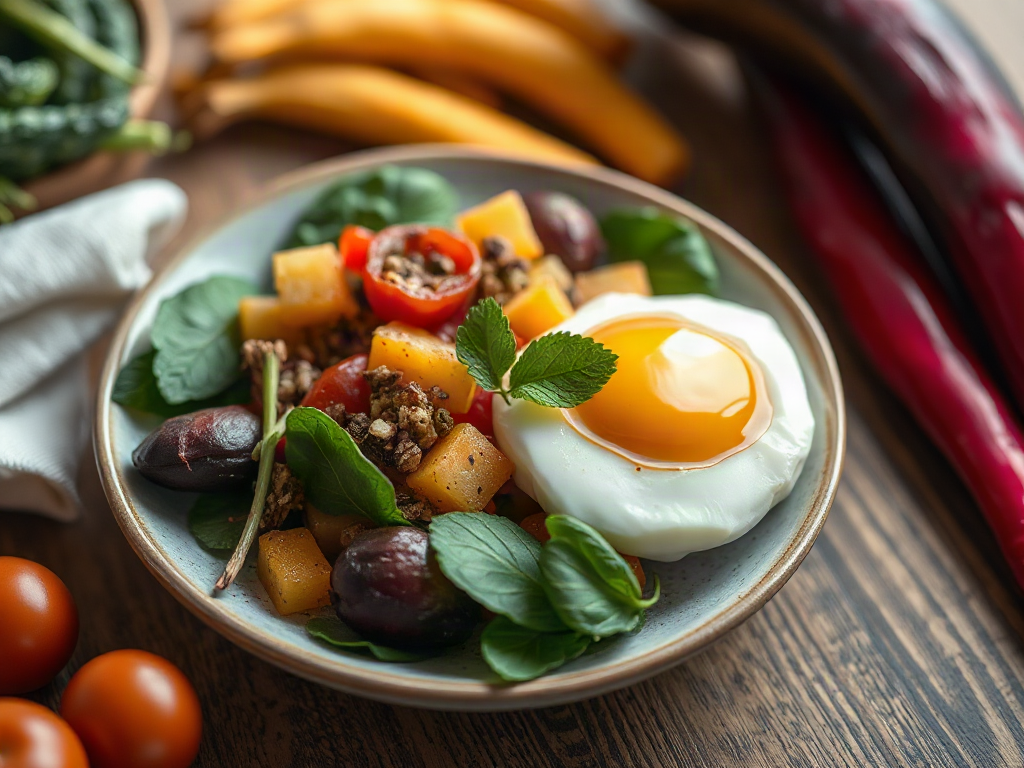
When incorporating superfoods into meals, consider the food’s nutrient role, portion size, preparation, cost, dietary fit, and how it complements the rest of the plate. A nutrient-dense ingredient should add value without displacing protein, whole-food carbohydrates, healthy fats, or needed variety. Check whether its fiber or concentrated compounds may cause digestive discomfort, compare fresh, frozen, dried, and powdered forms, and introduce unfamiliar foods gradually. Pairing spinach with beans and olive oil, for example, creates a more complete meal than treating spinach as a standalone solution. Superfoods can contribute useful nutrients, but they do not replace balanced eating or individualized medical advice.
Define the Role Each Superfood Will Play
A superfood earns a place in a meal when it contributes a useful nutrient, texture, flavor, or practical benefit that fits the person eating it. The label itself does not determine whether an ingredient improves a plate. Chia seeds may add fiber and texture to oatmeal, berries can contribute flavor and vitamin-rich variety to yogurt, and beans may provide plant protein and fiber in a grain bowl. Each serves a different function.
Begin by examining the meal as a whole rather than adding an ingredient because it is popular. If breakfast already contains sweetened granola, fruit, and a flavored smoothie, adding dates, honey, and a powdered berry blend may increase sweetness without improving balance. A more useful change could be replacing part of the granola with plain oats, adding unsweetened yogurt, or including nuts for texture and fat. The best choice depends on what the existing meal lacks.
Consider these questions before buying or preparing a featured ingredient:
- Does it add protein, fiber, unsaturated fat, vitamins, minerals, or useful culinary variety?
- What ingredient will it replace, if any?
- Will the meal still contain enough energy and satiety for the person’s needs?
- Is the form affordable and convenient enough to use regularly?
Whole foods usually provide more than an isolated nutrient. Lentils, for instance, offer protein and fiber along with a substantial base for a meal, while a small spoonful of a powdered green product may offer a narrower contribution. That does not make powders useless; they may be convenient when fresh produce is unavailable. It does mean that convenience should not be confused with completeness.
A common mistake is treating one celebrated ingredient as a nutritional correction for an otherwise unbalanced meal. Adding kale to a plate of refined carbohydrates and very little protein may improve the vegetable content, but it does not automatically make the meal satisfying or nutritionally complete. Use what to consider when incorporating superfoods into meals as a decision check: identify the meal’s gap first, then choose an ingredient that addresses that gap without creating a new problem.
Match Portions, Preparation, And Food Pairings
Portion and preparation affect how a superfood behaves in a meal. Dried fruit is more concentrated by volume than fresh fruit, and ground seeds can be easier to consume quickly than whole seeds. A generous scoop of nut butter, coconut, granola, or dried fruit can make a snack energy-dense even when the ingredients are minimally processed. The issue is not that these foods are inherently unsuitable; it is that their concentrated form changes the amount eaten.
Preparation also influences texture, flavor, and tolerance. Flaxseed is often easier to incorporate when ground, while oats, beans, and some vegetables may become more appealing and digestible after cooking. Frozen berries can work well in smoothies or warm porridge, but blending them with a large amount of juice may produce a sweeter drink with less chewing and a different satiety experience than eating the berries in a bowl.
Pairings should support the meal’s purpose. A practical plate might combine roasted sweet potato, black beans, leafy greens, pumpkin seeds, and a yogurt or tahini dressing. The sweet potato supplies a carbohydrate base, beans add protein and fiber, greens contribute vegetable variety, and seeds or dressing provide flavor and fat. The exact combination can change, but the principle is to build around complementary components rather than a single ingredient.
Some combinations are chosen for nutrient interactions, but claims about automatic absorption benefits are often overstated. Including a fat-containing ingredient with vegetables may make the meal more satisfying and may help the body use some fat-soluble compounds, yet the meal should not be engineered so precisely that it becomes impractical. Enjoyment, availability, and consistency matter more than an elaborate pairing that is abandoned after a week.
Try one change at a time when testing a new ingredient. Add a measured spoonful of chia to oatmeal, use a small amount of cacao in plain yogurt, or fold cooked greens into a bean-and-grain dish. Watch flavor, hunger later in the day, bowel habits, and ease of preparation. If the addition makes the meal unpleasant or creates excessive fullness, reduce the portion or choose another form instead of assuming more is better.
Account For Digestion, Safety, And Dietary Fit
Fiber-rich and concentrated ingredients can affect digestion, especially when introduced suddenly. Chia, flax, legumes, bran, dried fruit, and certain vegetable powders may increase total fiber quickly. A person who moves from a low-fiber pattern to large amounts of several of these foods at once may experience bloating, cramping, or changes in bowel movements. Gradual increases, adequate fluid intake, and monitoring the response are more sensible than forcing a high dose.
Dietary fit extends beyond calories and nutrients. A smoothie containing spinach, berries, a seed blend, and a supplement powder may not suit someone who dislikes liquid meals, needs a portable breakfast, or is limiting specific ingredients. A person following a vegetarian pattern may use lentils or tofu as a central protein, whereas someone with a food allergy needs to inspect seed, nut, and packaged-product labels carefully. A whole-food ingredient can still be unsuitable for an individual.
Concentrated products deserve extra scrutiny. Powders, extracts, and blends can vary in ingredient amounts, added sweeteners, and labeling quality. “Natural” does not guarantee safety, and a product marketed as a superfood is not automatically appropriate alongside prescription medicines or during pregnancy. People with kidney disease, digestive disorders, food allergies, or other medical concerns should ask a qualified clinician or registered dietitian about relevant restrictions rather than relying on marketing language.
Food safety applies to preparation as well. Wash produce according to reliable food-safety guidance, refrigerate perishable ingredients promptly, and handle cooked grains, beans, eggs, and dairy products with care. Sprouted foods and ready-to-eat items may require particular attention to storage and handling. These steps are ordinary, but skipping them can undermine an otherwise nutrient-conscious meal.
The weak assumption to avoid is that a small serving of a trendy ingredient cannot matter. Concentrated powders, herbal products, and large amounts of seeds may have meaningful effects for some people, while a few berries added to cereal are unlikely to create the same concern. Distinguish ordinary culinary portions from supplement-like use, and stop experimenting if symptoms are persistent, severe, or concerning. Nutritional additions are not treatments for medical conditions.
Build A Sustainable Meal Routine
The most useful superfood is one that can be purchased, stored, prepared, and eaten without straining the household budget or schedule. Fresh berries may be appealing but expensive or perishable; frozen berries can offer easier storage. Fresh leafy greens may suit frequent cooking, while frozen greens can reduce waste. Canned beans are practical when rinsed and incorporated into soups, salads, or grain dishes, even though some shoppers prefer dried beans for cost or texture.
Price should be judged by the role and serving, not by the prestige of the product. Quinoa, hemp hearts, or specialty powders may be valuable choices for particular meals, but oats, lentils, cabbage, beans, sardines, eggs, and ordinary frozen vegetables can provide substantial nutrition at a lower cost. A costly ingredient is not automatically more useful than a familiar staple. Compare how often the product will actually be used with the price paid.
Choose a repeatable pattern rather than collecting a long list of ingredients. For example, a weekday lunch could use a flexible formula: one protein-rich base, one whole-food carbohydrate, two vegetables or fruits, and a flavorful fat-containing topping. Lentils can replace beans, brown rice can replace barley, and cabbage can replace spinach. This preserves variety without requiring a separate recipe for every ingredient.
Signs that an approach is working include meals that remain satisfying, manageable grocery waste, comfortable digestion, and enough flexibility for travel or busy days. Signs that it is failing include relying on several powders, spending heavily on foods that expire unused, skipping familiar protein sources, or feeling pressured to make every meal “perfect.” Simplifying is often a better adjustment than adding another product.
Keep a short rotation of ingredients and reassess after two or three weeks. Record which additions were enjoyable, affordable, tolerated, and genuinely useful. A person who likes roasted vegetables may gain more from preparing them twice weekly than from buying an expensive blend that remains unopened. For additional context, review what to consider when incorporating superfoods into meals alongside your own appetite, schedule, and dietary requirements.
Use A Practical Meal-Building Checklist
A short checklist can prevent the most common errors: buying for reputation, overlooking portion size, and allowing an addition to displace the meal’s foundation. Apply it while planning a recipe or standing in a grocery aisle.
- Identify the purpose: decide whether the ingredient is adding protein, fiber, produce variety, flavor, texture, or convenience.
- Check the full plate: look for a satisfying combination of protein, carbohydrate, produce, and fat where appropriate.
- Select the least complicated useful form: choose fresh, frozen, canned, dried, or powdered based on storage, cost, and tolerance.
- Measure the first serving: concentrated foods such as seeds, dried fruit, nut butters, and powders can be easy to overuse.
- Review the label and context: check added sugar, sodium, allergens, unusual extracts, and any personal dietary restrictions.
- Evaluate the result: keep the change if it improves the meal in a realistic way; modify or remove it if digestion, cost, or convenience suffers.
For example, adding pumpkin seeds to a salad may improve crunch and contribute protein and unsaturated fat, but the salad still needs an adequate main protein and a dressing that makes it appealing. Adding a small amount of spirulina to a smoothie may change color and flavor, yet it should not be treated as a substitute for varied vegetables or a balanced breakfast. The checklist keeps the ingredient in proportion to its actual role.
Use what to consider when incorporating superfoods into meals as a planning question rather than a search for a perfect food. The strongest choice is usually the one that improves nutritional variety while remaining safe, affordable, enjoyable, and easy to repeat.
Frequently Asked Questions
Do superfoods need to be included in every meal?
No. A varied pattern built from ordinary whole foods can meet many nutritional needs without using foods marketed as superfoods. Include a featured ingredient only when it improves the meal’s nutrition, flavor, or convenience.
Are whole superfoods better than powders?
Whole foods generally provide more complete meal value, including texture and often a broader nutrient profile. Powders may be convenient, but check ingredients, serving size, added sweeteners, allergens, and whether the product is replacing rather than supplementing a balanced meal.
How should someone introduce high-fiber ingredients?
Add one ingredient in a modest portion, maintain normal fluid intake, and observe digestion before increasing it or adding another concentrated source. Sudden changes involving legumes, seeds, bran, or dried fruit may cause discomfort.
What is a budget-friendly way to add nutrient-dense ingredients?
Use affordable staples such as beans, lentils, oats, frozen vegetables, cabbage, canned fish, or seasonal produce. Compare cost per usable serving and choose foods that will be eaten regularly rather than expensive products that create waste.
Can superfoods replace supplements or medical treatment?
No. Foods can contribute nutrients, but they are not substitutes for prescribed treatment or individualized medical advice. People with allergies, chronic conditions, pregnancy-related concerns, or medication questions should consult an appropriate healthcare professional.
Conclusion
Incorporating superfoods into meals works best when the ingredient has a clear job and fits the entire eating pattern. Prioritize balance over novelty: pair produce, seeds, berries, legumes, or specialty ingredients with satisfying sources of protein, carbohydrate, and fat as appropriate. Pay attention to concentrated portions, added sugars, sodium, allergens, digestive tolerance, and the difference between a whole food and an extract or powder. Cost and repeatability matter just as much as nutrient appeal. Test one change at a time, keep the versions that improve flavor or meal quality, and remove those that create expense, discomfort, or unnecessary complexity. A practical, varied plate is a stronger foundation than any single celebrated ingredient.
Related Content
- Nutrient Dense Foods That Don’t Work for Weight Loss: Understanding Common Misconceptions and Their Impact
- How To Find Superfoods That Align With Fitness Goals: A Food-and-Timing Checklist
- Grapes Nutrition, Sugar, And Portion Guidance For Snacking, Meals, And Blood Sugar Awareness
- What to Consider When Selecting Superfoods for Children: Nutritional Needs, Safety, and Practicality
- Challenges With Superfood Meal Prepping: Common Mistakes and Practical Solutions