
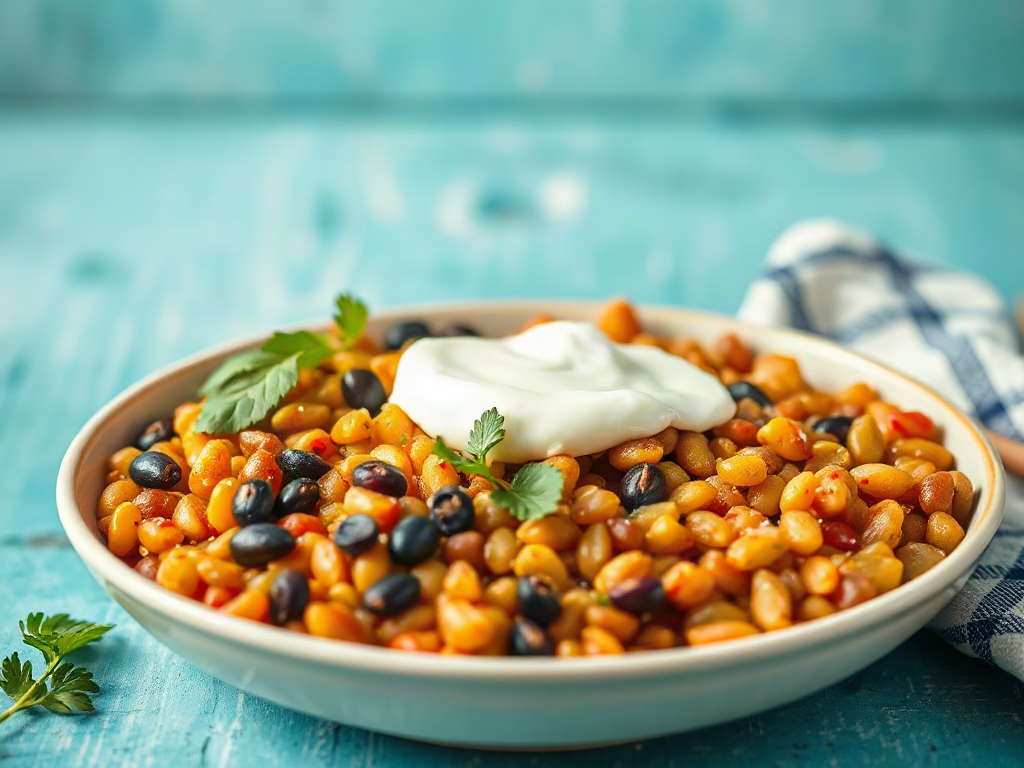
High-protein vegetarian meals with complete nutrition combine legumes, soy foods, dairy or eggs when used, whole grains, vegetables, fruit, and a reliable source of healthy fats. Lentils with yogurt and whole-grain flatbread, tofu with quinoa and vegetables, or eggs with beans and avocado can provide protein alongside fiber, iron, calcium, vitamin B12, and essential fats. Protein completeness does not require combining every amino acid in one bite; varied plant foods across the day generally provide the needed amino acids. The main mistakes are relying on cheese or refined meat substitutes for protein, overlooking B12 and iron, and building meals around vegetables without a substantial protein anchor.
What Makes a Vegetarian Meal Nutritionally Complete?
A complete vegetarian meal supplies a meaningful protein portion along with carbohydrate, fiber, unsaturated fat, vitamins, minerals, and enough energy to be satisfying. Protein quality matters, but a meal does not need to contain every essential amino acid in perfect proportions. Legumes, grains, nuts, seeds, soy, dairy, and eggs contribute different amino acid patterns, and eating a varied diet across the day usually covers the gaps.
A useful plate begins with a clear protein anchor rather than treating vegetables or grains as the main protein source. One meal might use lentils, tofu, tempeh, eggs, Greek yogurt, cottage cheese, or beans. The rest of the plate can add brown rice, potatoes, oats, whole-grain bread, vegetables, fruit, tahini, olive oil, or avocado. That structure improves satiety while bringing nutrients that a protein isolate or processed meat substitute may lack.
Nutrition is also more than protein. Beans and lentils contribute iron, potassium, and fiber; dairy and calcium-set tofu can contribute calcium; eggs and fortified foods may provide vitamin B12; seeds and walnuts add unsaturated fat. Vitamin C foods such as peppers, citrus, berries, and broccoli can accompany plant sources of iron because meal composition affects how much iron the body can use. Tea or coffee immediately with an iron-focused meal may be less helpful for some people because their compounds can reduce iron absorption.
A common mistake is calling a meal complete because it contains one high-protein ingredient. A large serving of cheese may raise protein but also add substantial saturated fat and sodium, while a bowl of vegetables with a small spoonful of hummus may be nutritious but low in total protein. The better test is whether the meal has a substantial anchor, a useful carbohydrate source, colorful produce, and a modest amount of fat. Readers looking for related meal ideas can use High-protein vegetarian meals with complete nutrition as a planning theme rather than a single recipe formula.
High-Protein Meal Combinations That Work
Legumes paired with grains remain practical because they are affordable, adaptable, and easy to batch-cook. A lentil and quinoa bowl with roasted vegetables, pumpkin seeds, and yogurt provides protein from several sources, fiber from lentils, and a satisfying texture from the grain and seeds. Rice and beans work just as well; adding salsa, cabbage, avocado, and plain yogurt creates a more complete meal than rice and beans alone.
Soy foods are especially useful when a meal needs a concentrated vegetarian protein source. Tofu can be baked and served with soba noodles, edamame, mushrooms, and bok choy. Tempeh works in a grain bowl or sandwich, while unsweetened soy milk can support breakfast oats or a smoothie. Compared with many plant-based meat products, minimally processed tofu and tempeh often make it easier to control sodium and choose the accompanying vegetables, although fortified meat alternatives can be convenient for busy days.
Dairy and eggs offer another route for vegetarians who include animal foods. Greek yogurt with oats, berries, chia seeds, and walnuts makes a substantial breakfast; an egg-and-bean breakfast taco adds protein and fiber; cottage cheese can accompany whole-grain toast, tomatoes, and fruit. These options are not automatically better than plant-based meals, but they can make protein targets easier for people with small appetites or limited cooking time.
Some combinations are nutritionally sound but operationally weak. A chickpea salad may contain good ingredients yet feel unsatisfying if it lacks enough chickpeas, a carbohydrate source, or dressing. A smoothie can include soy milk, yogurt, fruit, oats, and nut butter, but liquid meals may be less filling for some people than chewing a bowl of food. Choose the format that matches the situation: portable wraps for work, batch-cooked bowls for lunch, and warm skillet meals when appetite and time allow.
- Breakfast: Greek yogurt or fortified soy yogurt with oats, fruit, hemp seeds, and walnuts.
- Lunch: Black bean and quinoa bowl with peppers, greens, corn, avocado, and lime.
- Dinner: Tofu stir-fry with edamame, brown rice, mixed vegetables, and sesame dressing.
- Snack: Cottage cheese with fruit, roasted chickpeas, or edamame with a piece of fruit.
Portions should reflect appetite, activity, age, and individual needs rather than a universal number. If hunger returns quickly, increase the protein anchor or add a slow-digesting carbohydrate and fat. If meals feel overly heavy, reduce added oils or cheese before removing the legumes, soy, or vegetables that provide the meal’s structure.
How to Build Balanced Meals on a Realistic Schedule
The most reliable method is to plan the protein anchor before choosing the recipe. For a seven-day rotation, select two legumes, two soy foods, one dairy or egg option if desired, and several supporting grains and vegetables. This prevents the common pattern of buying produce first and discovering at dinner that the meal contains little protein.
A simple preparation routine can cover several meals without making every dish identical. Cook lentils or beans, prepare a grain, wash vegetables, and bake tofu or tempeh at the start of the week. Keep sauces separate so the same ingredients can become a salad, wrap, curry, or bowl. Canned beans are a reasonable convenience; rinsing them can reduce some surface sodium, while dry beans may offer lower cost when time permits.
Use this compact decision sequence when assembling a meal:
- Choose the anchor: beans, lentils, tofu, tempeh, edamame, eggs, Greek yogurt, cottage cheese, or a fortified alternative.
- Add a carbohydrate: oats, potatoes, brown rice, quinoa, whole-grain pasta, corn, or whole-grain bread.
- Add two types of produce: one leafy or cruciferous vegetable and one colorful vegetable or fruit.
- Finish with measured fat and flavor: tahini, nuts, seeds, olive oil, avocado, herbs, spices, or a lower-sodium sauce.
For example, a workday lunch can be a whole-grain wrap filled with mashed beans, baked tofu, shredded cabbage, peppers, and yogurt-herb sauce. A quicker alternative is edamame, a microwaveable grain pouch, frozen vegetables, and a sesame-lime dressing. The first option offers more control over ingredients; the second may be more realistic when cooking time is limited. Consistency usually improves when the plan includes convenience foods rather than assuming every meal will be cooked from scratch.
Signs the approach is working include steady fullness, varied meals, regular use of legumes or soy, and enough energy to complete ordinary activities. Signs it needs adjustment include constant grazing, meals built almost entirely from raw vegetables, fatigue that persists, or reliance on cheese and snack bars to fill the protein gap. Persistent fatigue, digestive symptoms, or concerns about iron, B12, or other nutrients warrant individualized advice from a qualified clinician or registered dietitian.
Common Gaps, Tradeoffs, and Better Choices
Vegetarian eating can be nutritionally strong, but certain nutrients deserve deliberate attention. Vitamin B12 is the clearest example: reliable sources include dairy, eggs, fortified foods, or a supplement when appropriate. Iron is found in lentils, beans, tofu, tempeh, pumpkin seeds, and fortified cereals, but plant iron is absorbed differently from heme iron in animal foods. Pairing these foods with vitamin C-rich produce is a sensible food-based practice, while people with diagnosed deficiency should follow clinical guidance rather than treating meals as a substitute for care.
Calcium can come from dairy, calcium-set tofu, fortified plant milks, some greens, and other fortified foods. Omega-3 intake may be supported by flax, chia, walnuts, and canola oil; algae-based products are another option for people seeking a direct marine omega-3 source. Iodine deserves attention when a household rarely uses iodized salt and does not eat dairy or seafood. The solution is not simply adding more supplements, because product quality, dose, medications, and personal health conditions vary.
Processed vegetarian foods involve useful tradeoffs. A fortified meat substitute can provide protein and convenience, but some products are high in sodium or saturated fat. Cheese is easy to add but should not become the default protein for every meal. Nuts and seeds add valuable fats and minerals, yet their energy density makes a modest portion more practical than treating them as the main protein source. Whole foods should form the foundation, with processed options used strategically for speed, taste, or variety.
Digestive tolerance also affects meal quality. A sudden increase in beans, lentils, or high-fiber grains may cause discomfort. Smaller servings, gradual progression, thorough cooking, rinsed canned beans, and varied protein sources can make the transition easier. People with kidney disease, food allergies, eating disorders, pregnancy-related concerns, or medically prescribed diets need personalized guidance before making major changes.
The strongest plan is not the one with the most ingredients; it is the one that repeatedly delivers a substantial protein anchor, varied plant foods, and nutrients that are easy to overlook. Use High-protein vegetarian meals with complete nutrition to evaluate the whole plate, then adjust ingredients for budget, culture, cooking equipment, and tolerance.
Frequently Asked Questions
Do vegetarian meals need complementary proteins at every sitting?
No. Varied protein sources eaten across the day can provide the essential amino acids most adults need. Pairing legumes with grains in the same meal is convenient, but it is not a strict requirement.
What are the strongest vegetarian protein anchors?
Tofu, tempeh, edamame, lentils, beans, Greek yogurt, cottage cheese, eggs, and fortified soy foods are practical choices. The best option depends on dietary pattern, tolerance, budget, and cooking time.
Can a vegetarian diet provide enough iron?
It can, through foods such as lentils, beans, tofu, tempeh, pumpkin seeds, and fortified cereals. Include vitamin C-rich produce with meals, and seek testing or professional advice if deficiency is suspected.
Are vegetarian meat substitutes necessary for high-protein meals?
No. They can be convenient, but beans, lentils, soy foods, dairy, and eggs can provide protein with less processing. Compare labels for protein, sodium, saturated fat, and fortification when choosing a substitute.
How can beginners avoid digestive discomfort from more beans?
Increase portions gradually, rinse canned beans, cook dried beans thoroughly, and vary legumes with tofu, tempeh, eggs, or dairy. Persistent or severe symptoms should be discussed with a healthcare professional.
Further Reading
Authoritative Sources
- MyPlate
myplate.govOffers a government-backed framework for balancing food groups, including vegetables, grains, protein foods, and dairy or fortified alternatives
- NIH Office of Dietary Supplements
ods.od.nih.govProvides evidence-aware fact sheets on nutrients commonly requiring attention in vegetarian eating, including vitamin B12, iron, calcium, and iodine
Conclusion
High-protein vegetarian eating works best when each meal has a recognizable protein anchor and the rest of the plate supplies complementary nutrients. Rotate beans, lentils, tofu, tempeh, edamame, dairy, eggs, and fortified foods instead of relying on cheese, snack bars, or one meat substitute. Add whole grains or potatoes for energy, colorful produce for vitamin C and variety, and measured nuts, seeds, avocado, or olive oil for unsaturated fat. Pay particular attention to B12, iron, calcium, iodine, and omega-3 sources, especially when dairy and eggs are limited. Begin with two dependable breakfasts, two lunches, and two dinners that fit your schedule, then adjust portions according to fullness, energy, digestion, and professional nutrition advice where medical needs apply.
Related Content
- Why Whole Foods Might Not Satisfy Your Cravings: Understanding Nutritional Needs and Psychological Factors
- Why Some Superfoods May Not Fit Dietary Restrictions: Common Issues and Practical Solutions
- Why Some Superfoods May Lead to Digestive Discomfort: Common Causes and Solutions
- Hidden Costs of Popular Superfoods: Evaluating Nutritional Value, Environmental Impact, and Economic Factors
- Assessing the Effectiveness of Superfoods for Weight Management: Key Nutrients and Practical Strategies