
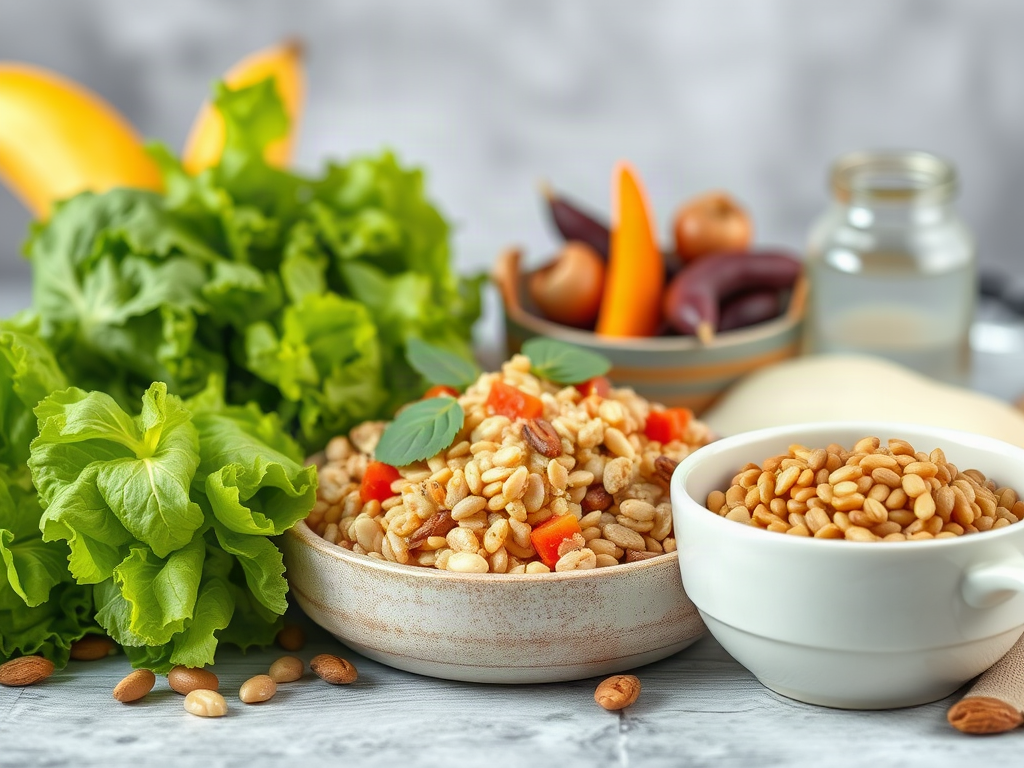
High-fiber foods during pregnancy without digestive overload are easiest to manage when portions increase gradually, fluids stay consistent, and beans, whole grains, fruit, vegetables, nuts, and seeds are spread across the day. A sudden jump in fiber can cause gas, bloating, cramping, or constipation because the gut needs time to adapt, especially when fluid intake is low. Begin with a modest serving of one fiber-rich food, increase it every few days if comfortable, and choose cooked produce or well-rinsed legumes when raw foods feel difficult. Keep prenatal-care guidance in place, and ask your clinician about persistent pain, vomiting, severe constipation, or any diet change needed for a medical condition.
Why Fiber Can Feel Difficult During Pregnancy
Pregnancy can make a previously comfortable eating pattern feel unfamiliar. Hormonal changes may slow movement through the digestive tract, while the growing uterus can add pressure to nearby organs. Fiber is useful for stool bulk and regularity, but adding a large amount quickly can increase fermentation in the colon before the body has adapted. The result may be gas, fullness, abdominal rumbling, or harder stools if fluids do not rise along with fiber.
The practical goal is not to maximize fiber at every meal. It is to create a steady pattern that supplies plant foods without producing symptoms that make eating unpleasant. Someone who currently eats white toast and low-fiber snacks may tolerate a small serving of oats at breakfast better than a sudden large bean salad, bran cereal, and raw vegetables on the same day. The latter combination is nutritious, but the rapid change and high volume can overwhelm a sensitive digestive system.
Fiber also behaves differently depending on the source. Oats, barley, chia, fruit, and legumes contain soluble fibers that absorb water and form a softer gel-like texture. Wheat bran and some vegetable skins contribute more coarse or insoluble material, which can increase stool bulk but may feel rougher when bloating is already present. Neither type is automatically better. The useful choice depends on current tolerance, hydration, preparation, and the rest of the meal.
A common mistake is blaming all discomfort on fiber and abandoning plant foods altogether. Another is assuming that a high-fiber label makes a packaged bar or cereal suitable for unlimited use; concentrated added fibers can produce more gas than a modest serving of cooked vegetables or fruit. Use High-fiber foods during pregnancy without digestive overload as a gradual eating objective, not a reason to force a large target overnight.
The Best Food Sources for a Gradual Increase
Whole or minimally processed plant foods offer fiber alongside nutrients that matter during pregnancy, including folate, potassium, vitamin C, magnesium, and carbohydrates that can make meals more satisfying. A manageable starting point is usually one familiar food in a moderate portion. Oatmeal, a pear with its skin, a baked sweet potato, lentil soup, or whole-grain toast can be easier to assess than a mixed dish containing several new ingredients.
Legumes deserve special attention because beans, lentils, and chickpeas provide substantial fiber and plant protein, but they are also common sources of gas. Begin with a small portion of well-cooked lentils or rinsed canned beans, then observe how your body responds. Rinsing canned legumes removes some of the liquid that can contribute to digestive discomfort and also reduces sodium. If beans remain troublesome, split the serving between lunch and dinner rather than eliminating them permanently.
Fruit and vegetables can be adjusted by texture and cooking method. A peeled apple, ripe banana, stewed berries, cooked carrots, squash, or green beans may be more comfortable than a large raw salad. Peeling is not required for everyone, and skins contain useful fiber, but temporarily choosing softer or peeled produce can be a reasonable trial when rough textures worsen symptoms. Cooking softens plant structure without removing all of the fiber.
Whole grains vary in texture and tolerance. Oats, quinoa, brown rice, barley, and whole-grain bread can fit a pregnancy eating pattern, but portions matter. A small bowl of oats may be a gentler first step than a large serving of bran cereal. Nuts and seeds add fiber and useful fats, yet a spoonful mixed into yogurt or porridge may be more comfortable than eating a large handful quickly. If a food causes repeated symptoms, record the portion, preparation, and timing before deciding that the entire category is unsuitable.
For a food-by-food approach, prioritize options from this compact sequence:
- Begin with familiar cooked foods: oats, potatoes with some skin, carrots, squash, or lentil soup.
- Add one concentrated source: a small serving of beans, chia, ground flax, or bran, rather than several at once.
- Keep variety: rotate grains, fruit, vegetables, and legumes so the plan does not depend on one difficult food.
This approach also makes troubleshooting possible. When several high-fiber foods arrive together, it becomes difficult to identify whether the issue was the beans, the raw vegetables, the sweetener in a bar, or simply the total volume.
How to Raise Fiber Without Bloating
Gradual increases work because the gut needs time to accommodate changes in fermentable material. A practical method is to add one modest fiber serving every few days while keeping the rest of the diet relatively familiar. If stools become softer and regular without increasing pain or bloating, maintain that level before adding another change. If symptoms intensify, step back to the last comfortable pattern rather than pushing through.
Fluids matter because fiber needs available water to contribute to softer, easier-to-pass stool. Drinking consistently across the day is more useful than taking a large amount only after constipation begins. Soups, milk, water, and other appropriate beverages can contribute to overall fluid intake, but individual needs vary with weather, activity, nausea, vomiting, and medical advice. Fiber supplements or powders should not be treated as interchangeable with food; discuss them with a clinician, particularly if constipation is persistent or a supplement contains several added fibers.
Meal structure can reduce digestive overload. Put one fiber source into each meal instead of concentrating the entire day’s increase at dinner. For example, choose oats at breakfast, a small portion of beans at lunch, and cooked vegetables with a whole-grain side at dinner. Eating slowly and chewing thoroughly may also reduce swallowed air, which can be mistaken for fiber-related gas. A short walk, when medically appropriate, may support comfortable digestion, although it is not a substitute for evaluation of severe symptoms.
Raw versus cooked is a useful comparison, not a strict rule. Raw produce may be convenient and nutritious, but cooked vegetables often have less volume and a softer texture for the same general food category. Someone dealing with nausea may prefer a baked potato or soup; someone with stable digestion may enjoy a crisp salad. The better option is the one that supplies plant foods without causing enough discomfort to discourage regular eating.
Signs that the pace is reasonable include predictable bowel movements, manageable gas, stable appetite, and no need to avoid entire food groups. Signs that the plan is failing include escalating pain, persistent watery stools, repeated vomiting, marked abdominal swelling, or constipation that does not improve. Those symptoms call for medical guidance rather than another round of dietary experimentation.
A Practical Day of Pregnancy-Friendly Fiber
A sample day can show how spacing works without prescribing a single menu for every pregnancy. Breakfast might include oatmeal topped with sliced banana and a small amount of ground flax. The oats provide a familiar whole grain, while the topping adds fiber without requiring a large volume of food. If flax is new, use a small amount first and avoid adding chia, bran, and a high-fiber cereal at the same meal.
Lunch could pair a modest serving of lentil soup with whole-grain toast and cooked vegetables. Soup provides moisture and a softer texture, while the toast adds structure without making the meal excessively bulky. If legumes cause gas, start with fewer lentils, eat slowly, and test the serving on a day when you can observe symptoms. A large bean-based lunch followed by a fiber bar in the afternoon is more likely to feel excessive than the same ingredients spaced over several meals.
An afternoon snack might be a pear, yogurt with berries, or a small portion of nuts, depending on tolerance and the rest of the diet. Dinner could include a baked sweet potato, eggs or another pregnancy-appropriate protein, and cooked green beans. This combination demonstrates an important tradeoff: fiber-rich foods should complement protein, iron-containing foods, and other prenatal nutrition priorities rather than displace them.
Use the menu as a pattern, not a rigid prescription. If nausea makes large meals difficult, smaller portions more often may work better. If heartburn worsens with a particular preparation, change the meal size, timing, or cooking method rather than assuming all fiber is the problem. If a prenatal clinician has advised a special diet for diabetes, anemia, bowel disease, allergy, or another condition, that advice takes priority over a general meal example.
A simple tracking note can be more useful than guesswork. Record the food, approximate portion, cooked or raw preparation, fluid pattern, and symptoms over a day or two. The purpose is not to monitor every bite indefinitely; it is to identify whether discomfort follows a specific ingredient, a large total load, or a low-fluid day. You can then adjust one variable at a time.
When Digestive Symptoms Need Medical Advice
Constipation, gas, and changing appetite can occur during pregnancy, but dietary advice has limits. Persistent or severe abdominal pain, repeated vomiting, inability to keep fluids down, blood in the stool, fever, sudden severe distension, or a complete failure to pass stool or gas should be discussed promptly with a healthcare professional. Those symptoms should not be managed by repeatedly increasing fiber.
Medication and supplements can also affect bowel habits. Iron-containing prenatal supplements may contribute to constipation for some people, while laxatives, stool softeners, or fiber products may not be appropriate in every situation. Do not stop a prescribed supplement or add a bowel product without asking the clinician overseeing the pregnancy. A pharmacist or prenatal-care professional can help distinguish a tolerable adjustment from a problem requiring assessment.
Medical history changes the decision. A person with inflammatory bowel disease, a history of bowel obstruction, significant food intolerance, gestational diabetes, or another condition may need individualized portions and food choices. General whole-food advice is useful for planning questions, not a replacement for prenatal care. Even without a diagnosed condition, symptoms that interfere with eating, sleep, work, or hydration deserve attention.
The most sensible priority is comfort plus nutritional adequacy. If a large salad causes distress but cooked vegetables are tolerated, use the cooked option while seeking guidance if symptoms continue. If beans are uncomfortable, try smaller portions or another protein source temporarily rather than forcing them. Once symptoms settle and a clinician confirms that a gradual increase is appropriate, foods can be reintroduced in measured amounts. That flexible approach is safer and more sustainable than treating a single food as mandatory.
Frequently Asked Questions
What are gentle high-fiber foods during pregnancy?
Oatmeal, cooked vegetables, ripe fruit, potatoes, lentil soup, and small portions of well-rinsed beans are often practical starting points. Tolerance varies, so introduce one change at a time.
Can increasing fiber cause gas during pregnancy?
Yes. A rapid increase can give gut bacteria more fermentable material, leading to gas and bloating. Smaller portions, gradual increases, consistent fluids, and cooked foods may make the transition easier.
Should I choose raw or cooked vegetables?
Choose the preparation you tolerate. Cooked vegetables are softer and often less bulky, while raw vegetables may suit people with comfortable digestion. Neither approach is universally required.
How quickly should I increase fiber?
Add one modest serving and allow several days to assess comfort before making another substantial change. If symptoms worsen, return to the last comfortable pattern and ask a clinician for advice.
When should constipation during pregnancy be evaluated?
Seek medical advice for persistent constipation or constipation with severe pain, vomiting, blood, marked swelling, fever, dehydration, or inability to pass stool or gas.
Conclusion
Comfortable fiber intake during pregnancy depends more on pace, preparation, and spacing than on forcing a large serving of any single food. Build gradually with familiar options such as oats, cooked vegetables, fruit, potatoes, whole grains, and modest portions of legumes. Keep fluids consistent, change one variable at a time, and use symptoms as feedback rather than proof that all fiber is unsuitable. A short food-and-symptom note can reveal whether the problem is a specific ingredient, too much total volume, or an unrelated digestive issue. Prioritize adequate overall nourishment and follow prenatal-care advice, especially when medications, supplements, medical conditions, severe symptoms, or persistent constipation are involved.
Related Content
- How To Find Superfoods That Help With Recovery: Nutrients, Meal Timing, And Real-World Choices
- How Can I Start Incorporating More Whole Foods Into My Diet?
- Mushroom Nutrition Across Common Edible Varieties With Protein, Fiber, And Micronutrient Comparisons
- What to Consider When Switching to Whole Foods: Key Nutritional Factors and Practical Steps
- Why Some People Feel Worse After Eating Superfoods: Common Causes and Misunderstandings