
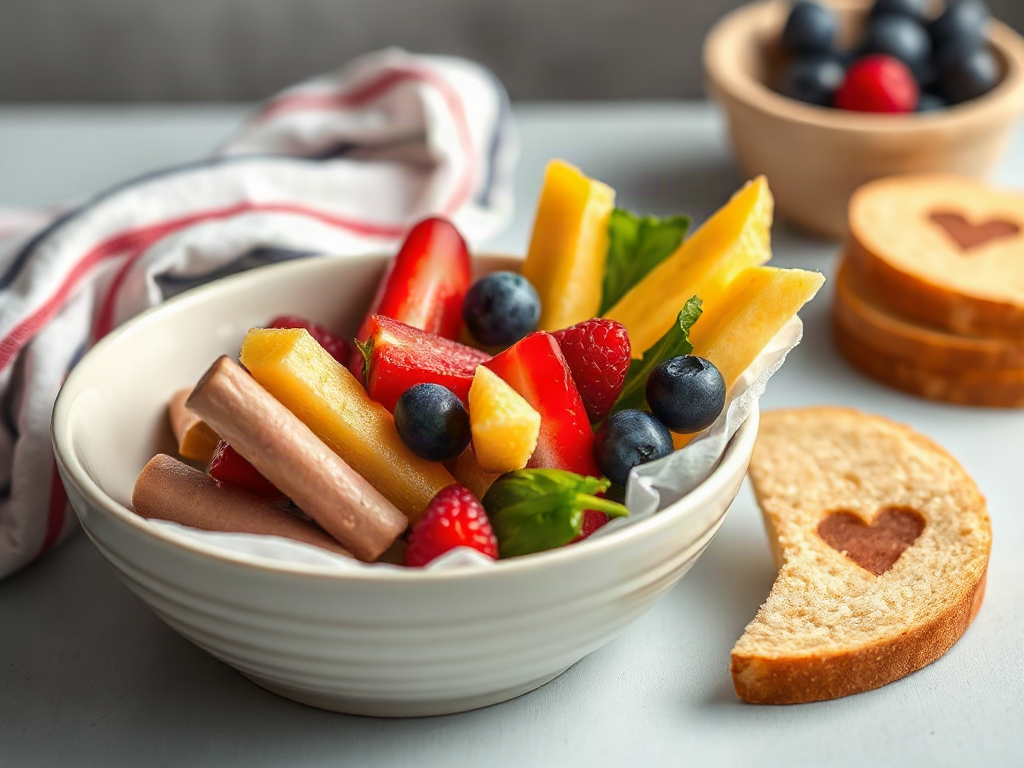
Foods high in lysine for meal variety include lentils, beans, soy foods, dairy, eggs, fish, poultry, meat, quinoa, and pumpkin seeds. Rotating these ingredients across breakfasts, grain bowls, soups, tacos, salads, and simple dinners provides different textures and flavors while adding protein and other nutrients. Animal foods are usually concentrated lysine sources, while legumes and soy make flexible plant-based foundations; grains alone tend to contribute less lysine. Pairing beans or lentils with grains is not required at every meal, but it can make plant-based eating more satisfying and nutritionally balanced across the day. Portions, preparation, sodium, allergies, and individual dietary needs still matter.
Lysine-Rich Ingredients Worth Rotating
Lysine is an essential amino acid, meaning the body cannot make enough of it on its own and it must come from food. The most useful way to apply that fact is not to search for a single “perfect” ingredient, but to rotate several protein-rich foods that suit your budget, culture, appetite, and dietary pattern. Lentils, black beans, chickpeas, tofu, tempeh, edamame, dairy foods, eggs, fish, poultry, and meat all offer practical ways to bring lysine into different meals.
Animal foods are often concentrated sources because their proteins contain a broad range of essential amino acids. Greek yogurt can anchor breakfast, eggs can turn toast or vegetables into a more substantial meal, and canned fish can add protein to a lunch salad without much cooking. These options are convenient, but they may not fit vegan, vegetarian, religious, environmental, allergy, or budget preferences. Plant foods offer equally useful meal-building flexibility when legumes and soy foods are included regularly.
Among plant choices, soy foods deserve special attention because tofu, tempeh, and edamame can serve as the central protein rather than a minor garnish. Lentils and beans are also valuable because they bring fiber, iron, potassium, folate, and slow-digesting carbohydrate along with lysine. Pumpkin seeds contain protein and lysine, but a small sprinkle should not automatically be treated as a full protein serving. The amount used matters more than the ingredient’s reputation.
A practical rotation might include yogurt or eggs at breakfast, lentils at lunch, tofu in a stir-fry, and fish or beans at dinner. That pattern creates variety without requiring a different shopping list every day. If dairy is used, plain yogurt or cottage cheese may be more versatile than sweetened products. If canned beans or fish are the convenient choice, rinsing beans and comparing sodium labels can improve the meal without turning convenience into a problem.
Use Foods high in lysine for meal variety as a planning lens rather than a strict ranking. The strongest choice is the one you will eat in a meaningful portion and can prepare safely. A food that is technically rich in lysine but routinely wasted, disliked, or unavailable is less useful than a familiar bean, egg, or tofu dish that fits your routine.
Plant-Based Choices and Useful Pairings
Legumes and soy foods make plant-based meals more dependable lysine sources than relying mainly on bread, rice, pasta, or many cereal-based foods. Grains are not nutritionally useless; they contribute energy, protein, minerals, and texture. Their lysine content is simply lower relative to some other essential amino acids, so a grain-centered diet can become less balanced if beans, soy, nuts, seeds, or other protein foods are consistently absent.
Pairing a legume with a grain can improve the overall amino acid pattern of a meal, although the foods do not have to be eaten in the same bite or even at the same sitting. Lentil soup with whole-grain bread, black beans with brown rice, chickpeas with bulgur, and hummus with pita are familiar combinations because they also work well for texture and flavor. A tofu and soba bowl offers a similar contrast, while peanut sauce over noodles adds flavor but may contribute less total protein than a substantial tofu or edamame portion.
The main mistake is treating “complementary proteins” as a complicated timing rule. People do not need to calculate amino acid ratios for every plate. A varied diet over the course of the day is usually a more practical target. A second mistake is assuming that every plant-based protein is interchangeable. Peanut butter can be useful, but spreading a thin layer on toast is not equivalent to serving lentils, tempeh, or tofu. Nuts and seeds are energy-dense, so their portion and role should match the meal.
Preparation affects usability. Dry beans are economical but require soaking or longer cooking, while canned beans save time and may contain added sodium. Tofu absorbs marinades and works in sautés, soups, and sandwiches; tempeh has a firmer texture and stronger flavor. Lentils cook faster than many dried beans and can be folded into tomato sauce, stuffed vegetables, or grain salads. Choosing two convenient staples and two flavor profiles each week is often more sustainable than buying every possible legume.
For a plant-based household, a useful check is whether each main meal contains a recognizable protein anchor. A bowl of rice and vegetables may need edamame, tofu, beans, or lentils to become more substantial. A salad can use chickpeas or white beans instead of relying on a small amount of seeds. More ideas are available through Foods high in lysine for meal variety, but the central decision remains simple: make the lysine-containing food a real component of the meal, not merely a decorative topping.
Building Varied Meals With Lysine Foods
Meal variety improves when the same lysine-rich ingredient is given different culinary roles. Lentils can be a warm soup one day, a spiced filling for roasted vegetables another day, and a chilled salad mixed with herbs and vegetables later in the week. Tofu can be crisped for a rice bowl, blended into a savory spread, or simmered in a curry. These changes matter because variety is driven by flavor, temperature, texture, and preparation method—not only by switching from one food name to another.
Breakfast is often the weak point in protein variety. Eggs, Greek yogurt, cottage cheese, or a tofu scramble provide a more substantial base than cereal or toast alone. A person avoiding animal foods might use soy yogurt where suitable, add tofu to a breakfast wrap, or prepare overnight oats with a side of edamame only if that combination fits their preferences. The goal is not to force savory food in the morning; it is to prevent an entire day from becoming grain-heavy by default.
Lunch can be built around leftovers, which reduces preparation pressure. A bean chili can become a baked potato topping, while roasted tofu can move from a grain bowl into a wrap with shredded cabbage. Chickpeas work in soups, salads, mashed sandwich fillings, and sheet-pan meals. Dinner can then use a different category, such as fish, eggs, dairy, tempeh, or lentils, rather than repeating the same protein at every meal.

A compact weekly framework looks like this:
- Choose two plant anchors: for example, lentils and tofu, or black beans and edamame.
- Add one flexible animal option when appropriate: eggs, yogurt, fish, poultry, or another preferred food.
- Change the format: soup, bowl, wrap, salad, curry, tray bake, or breakfast dish.
- Check the supporting foods: vegetables, whole grains, fruit, herbs, and a suitable fat source should add flavor and texture.
For example, Monday might feature lentil tomato soup with whole-grain bread, Wednesday tofu tacos with cabbage, and Friday salmon with potatoes and vegetables. The lysine sources differ, while the meals remain familiar enough to prepare. If someone dislikes fish or cannot eat soy, eggs, dairy, poultry, or a broader bean rotation can fill different roles. Dietary variety should expand options, not create a requirement to eat foods that conflict with allergies or personal needs.
Common Mistakes and Practical Priorities
The most common error is focusing on a nutrient list while ignoring the amount and form of the food. A few pumpkin seeds on a salad may add useful protein, but they are unlikely to replace a serving of beans or tofu. Similarly, a food labeled “high protein” may be heavily sweetened, highly salted, or too small to function as the meal’s main protein. Read the ingredient list, serving size, and nutrition panel together rather than judging by a front-label claim.
Another weak assumption is that lysine foods need to be eaten in a rigid combination at every meal. Daily variety is more realistic. A breakfast of yogurt, a bean-based lunch, and an egg or tofu dinner already creates a broad pattern without nutritional arithmetic. Conversely, a person who eats mostly refined grains and adds one small serving of legumes occasionally may need to increase the frequency or portion of protein-rich foods.
Digestive tolerance also affects the best choice. A sudden increase in beans or lentils can cause gas or bloating, especially when portions rise quickly. Smaller servings, thorough cooking, rinsing canned beans, and gradual progression may be easier to tolerate. Persistent or severe digestive symptoms deserve individual medical attention rather than an assumption that every legume must be eliminated. People with kidney disease, medically prescribed protein restrictions, food allergies, or other nutrition-related conditions should obtain individualized guidance before making major dietary changes.
Convenience and food safety deserve equal attention. Cooked beans, eggs, dairy, fish, tofu, and meat are perishable and should be handled and stored according to standard food-safety practices. Batch cooking can save time, but preparing more than can be safely used leads to waste. Frozen edamame, canned beans, shelf-stable lentils, and plain yogurt can make a lysine-focused plan more realistic than relying entirely on dry ingredients and elaborate recipes.
Prioritize the changes that solve the actual weakness in your meals. If breakfast lacks protein, add eggs, yogurt, or tofu before buying specialty powders. If lunches are repetitive, rotate beans, lentils, chickpeas, and fish through different formats. If plant-based meals feel incomplete, make tofu, tempeh, or legumes the centerpiece and use grains as the supporting component. Nutrition needs vary, and lysine-rich foods do not treat a disease by themselves, but a diverse whole-food pattern can make everyday meals more satisfying and nutritionally robust.
Frequently Asked Questions
Which plant foods are especially useful sources of lysine?
Lentils, beans, chickpeas, soybeans, tofu, tempeh, and edamame are practical plant-based choices. Their contribution depends on the portion, preparation, and the rest of the diet.
Do rice and beans need to be eaten together?
No. Eating varied protein foods across the day is a practical approach. Combining legumes and grains in one meal is convenient, but exact pairing at every sitting is not required.
Are eggs and dairy high in lysine?
Eggs and dairy foods provide lysine along with other essential amino acids. Yogurt, cottage cheese, milk, and eggs can fit breakfasts, snacks, sauces, and main meals depending on dietary preferences.
Can seeds replace beans or tofu in a meal?
Seeds can contribute protein and lysine, but a small topping is usually not equivalent to a substantial serving of beans, lentils, tofu, or tempeh. Use seeds as a complement unless the portion is intentionally large.
How can someone increase legumes without digestive discomfort?
Increase portions gradually, cook legumes thoroughly, rinse canned varieties, and spread servings across the week. Persistent or severe symptoms should be discussed with a qualified health professional.
Conclusion
A lysine-conscious eating pattern does not need to be repetitive or technical. Rotate legumes, soy foods, eggs, dairy, fish, poultry, meat, quinoa, and seeds according to your dietary needs, then change the cooking method and meal format to keep the menu interesting. Give plant proteins a meaningful place on the plate rather than treating them as garnish, and remember that grain pairings can happen across the day rather than through strict meal-by-meal formulas. Convenience, tolerance, sodium, allergies, and food safety should shape the final choices. A practical next step is to select two plant-based staples and two additional protein options, then use each in a different breakfast, lunch, or dinner during the coming week.
Related Content
- What To Do If A Superfood Causes Inflammation: Identifying Triggers and Effective Remedies
- Why Some Superfoods May Not Align With Cultural Diets: Examining Nutritional Conflicts and Dietary Preferences
- Can Superfoods Improve Gut Health Without Supplements: Top Foods and Their Benefits
- The Truth About Superfoods and Gut Health: Essential Foods for Digestive Wellness
- How to Evaluate the Benefits of Lesser-Known Superfoods: Key Nutritional Metrics and Practical Assessment Methods