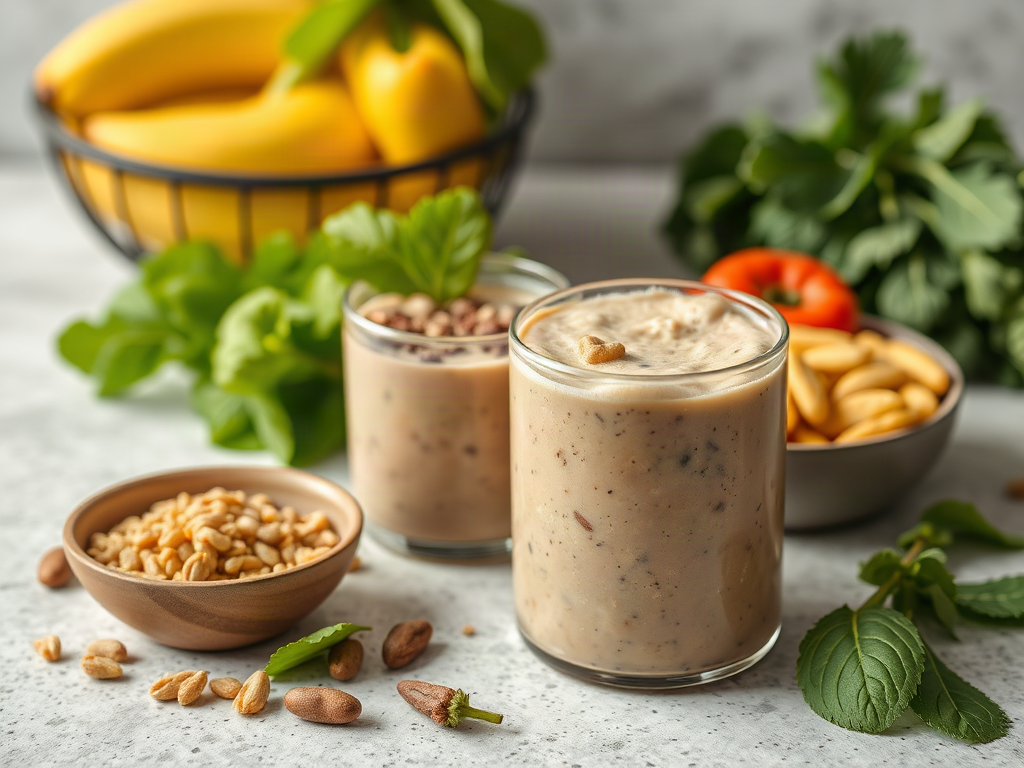
Plant-Based Meal Replacement Nutrition Compared: Protein, Fiber, Ingredients, And Everyday Use
Superfood Nutrition

Tomato Nutrition By Serving Size And Preparation: Raw, Cooked, Canned, And Sauced

Tomato nutrition by serving size and preparation changes mainly with portion size, water loss, added ingredients, and cooking time. A raw tomato provides vitamin C, potassium, fiber, and carotenoids with relatively few calories, while cooked tomatoes become more concentrated by weight and may provide carotenoids in a form the body can use efficiently.
Bok Choy Nutrition, Vitamins, And Minerals For Smarter Meal Planning
Superfood Nutrition

Bok Choy Nutrition, Vitamins, And Minerals For Smarter Meal Planning

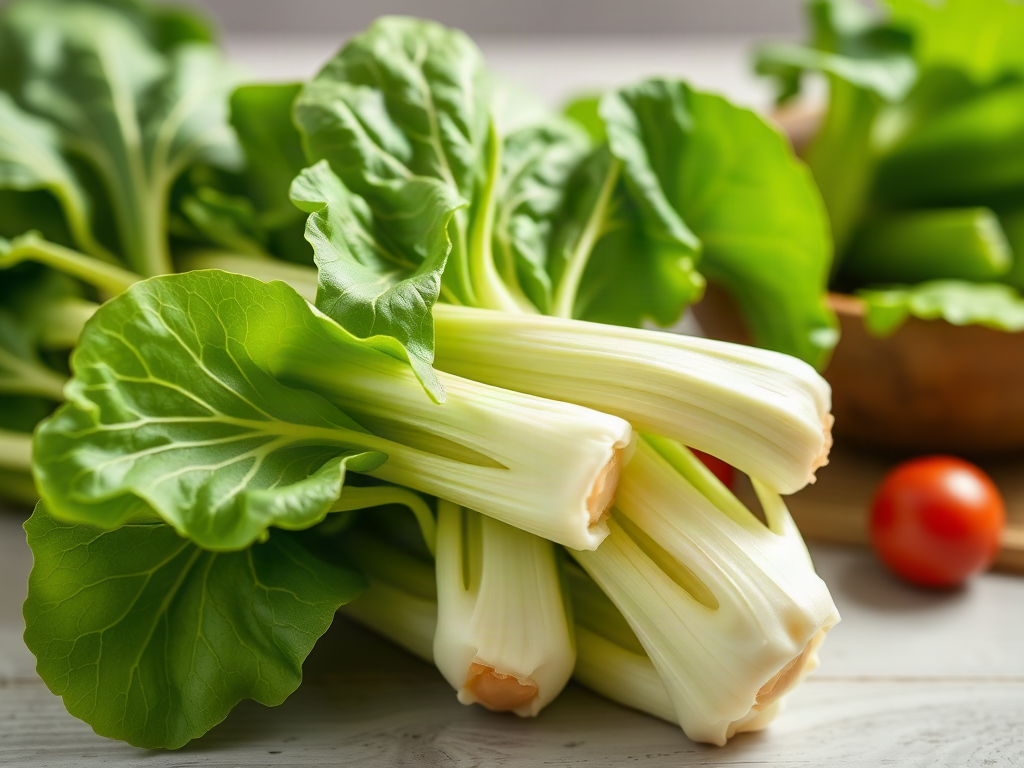
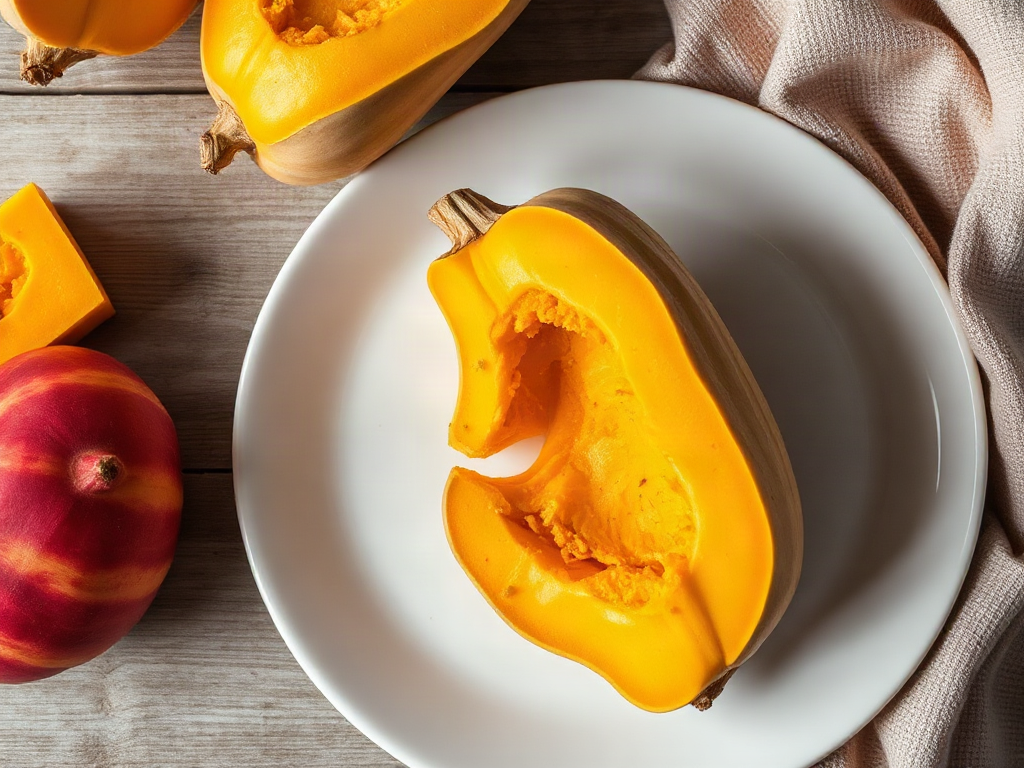
Bok choy nutrition, vitamins, and minerals make this leafy vegetable a low-calorie source of vitamin C, vitamin K, folate, calcium, and potassium, with water and fiber supporting its practical role in balanced meals. Its vitamin K content matters for normal blood clotting and bone metabolism, while vitamin C contributes to antioxidant protection and connective-tissue formation.

Superfood Nutrition

Leafy Vegetables for Weight Loss Without Guesswork: Portions, Pairings, and a Practical Plan

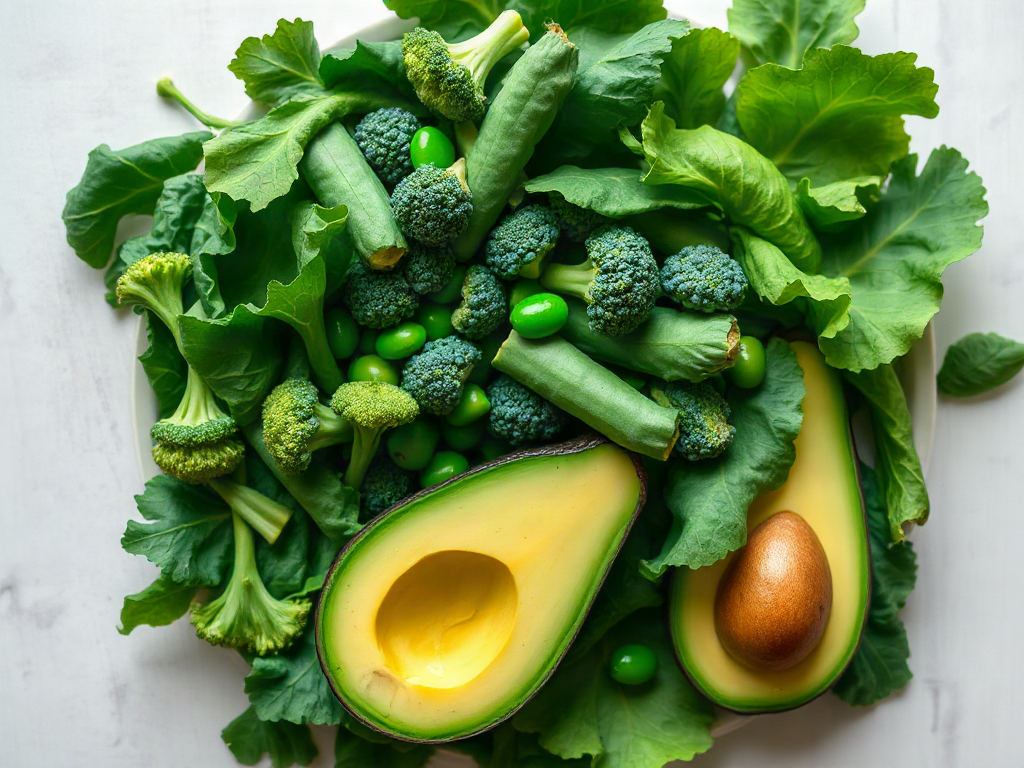
Leafy vegetables can support weight loss without guesswork when they replace more calorie-dense ingredients, provide substantial volume, and are paired with enough protein and fiber to keep meals satisfying. Spinach, romaine, kale, collards, and chard are useful choices, but a large bowl alone may leave you hungry if it contains little protein or energy.

Kabocha Squash Nutrition And Serving Benefits For Fiber-Rich Everyday Plates
Whole Food Nutrition

Kabocha Squash Nutrition And Serving Benefits For Fiber-Rich Everyday Plates

Kabocha squash nutrition and serving benefits come from its dense, naturally sweet flesh, which supplies dietary fiber, carotenoids, potassium, and carbohydrate for a satisfying side dish or meal component. Roasting, steaming, or simmering preserves its useful whole-food qualities, while leaving the skin on can add texture and reduce preparation waste…

Low Residue Diet Food Choices Explained: Foods, Portions, And Meal Examples
Whole Food Nutrition

Low Residue Diet Food Choices Explained: Foods, Portions, And Meal Examples

Low residue diet food choices explained means selecting foods that leave less undigested material in the intestine, usually by limiting fiber, seeds, skins, tough textures, and foods that increase stool volume. Common options include refined breads, white rice, eggs, tender poultry, fish, smooth nut butter, peeled potatoes, and well-cooked low-fiber vegetables.

superfood

When Superfoods Disrupt Your Digestive Routine: Symptoms, Causes, And A Gentle Reset

When superfoods disrupt your digestive routine, pause the newest addition, return briefly to familiar meals, and reintroduce smaller portions one at a time. Sudden increases in fiber, concentrated powders, sugar alcohols, or fermentable carbohydrates can cause bloating, gas, loose stools, constipation, or cramping, especially when fluids and meal timing change too.

Scroll to Top