
superfood

How To Incorporate Superfoods Into Meal Planning With A Seven-Day Food Map

Incorporate superfoods into meal planning by assigning a few nutrient-dense ingredients to specific breakfasts, lunches, dinners, and snacks rather than adding them randomly. Build meals around familiar staples, then rotate berries, leafy greens, beans, oats, nuts, seeds, fatty fish, fermented foods, or unsweetened cocoa according to taste, budget, storage life, and dietary needs.

Whole Food

What To Do If You Experience Cravings After Eating Whole Foods: Causes, Timing, And Satisfying Meal Adjustments

If you experience cravings after eating whole foods, check whether your meal supplied enough energy, protein, fat, carbohydrate, fluid, and satisfaction before reaching for another snack. Cravings may reflect an undersized meal, long gaps between meals, intense activity, poor sleep, stress, habit, or a desire for a specific taste rather than a nutrient deficiency.

superfood

What To Do If A Superfood Isn’t Meeting Expectations—A Practical Reset For Results

If a superfood is not meeting expectations, pause the product, identify the specific outcome you expected, and check serving size, preparation, consistency, diet context, and product quality before replacing it. A berry, seed, leafy green, or powder cannot compensate for inadequate calories, protein, sleep, or an otherwise unbalanced eating pattern.

superfood

What To Do If Superfoods Cause Lethargy After Eating: Causes, Checks, And Next Steps

If superfoods cause lethargy, pause the suspected item, review the portion and meal context, and track when tiredness appears before trying it again. Large servings of beans, grains, dried fruit, or high-fiber powders may create digestive strain, while a very low-calorie meal, blood-sugar variation, dehydration, or an unrelated health problem can also contribute.

Whole Food

What To Prioritize When Incorporating Whole Foods: A Practical Meal-Building Checklist

When incorporating whole foods, prioritize dietary balance, minimally processed ingredients, adequate protein and fiber, personal tolerance, and meals you can prepare consistently. Build plates around vegetables or fruit, beans or another protein source, whole grains or starchy vegetables, and a modest amount of unsaturated fat rather than chasing isolated “superfoods.”…

superfood

How To Choose Superfoods For Digestive Health With A Fiber, Tolerance, And Meal-Fit Checklist

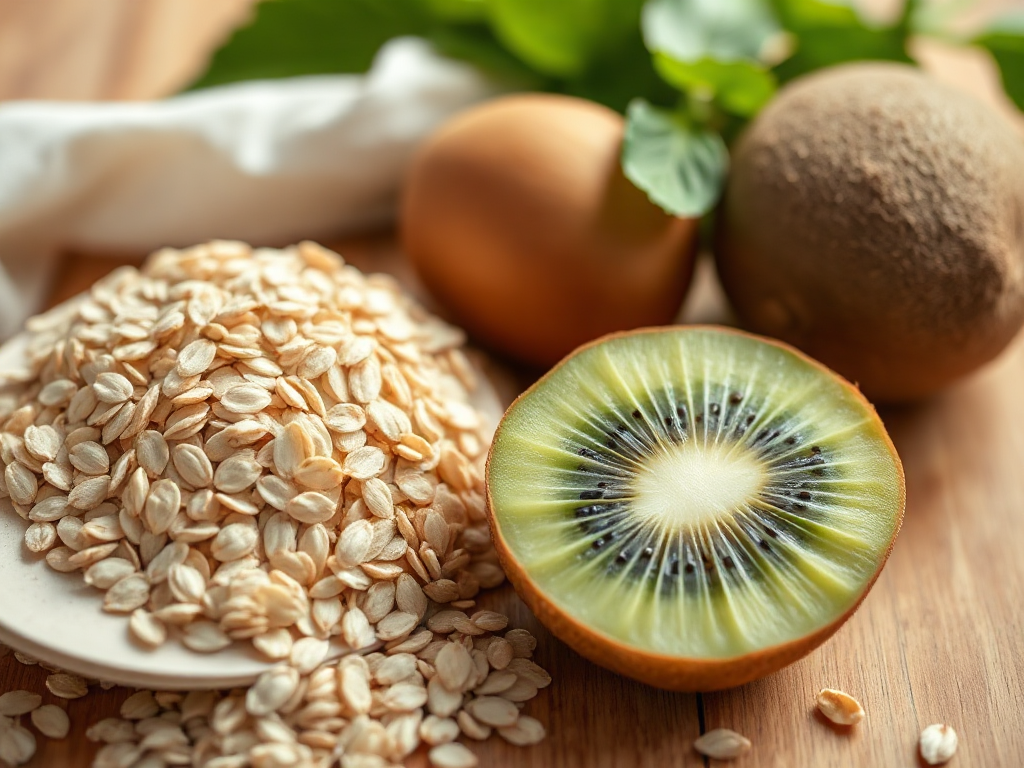
Choose superfoods for digestive health by matching fiber type, fermentation tolerance, hydration, and preparation to your current symptoms and eating pattern. Prioritize whole foods such as oats, kiwi, berries, beans, lentils, leafy greens, and fermented yogurt, but introduce higher-fiber choices gradually because a sudden increase may cause gas, cramping, or loose stools.

Scroll to Top