Whole Food

SIBO-friendly foods and common tolerance considerations: Portions, Preparation, and Symptom Tracking
Whole Food

High-Protein Meals That Support Weight Loss With Satisfying Ingredients and Smart Portions

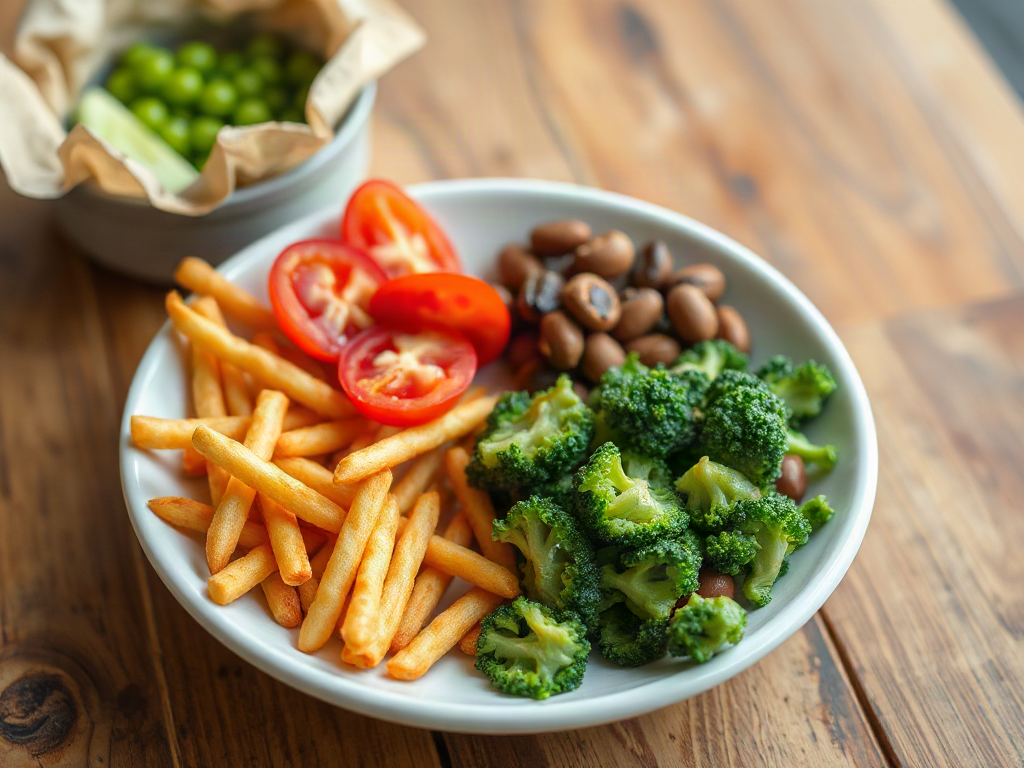
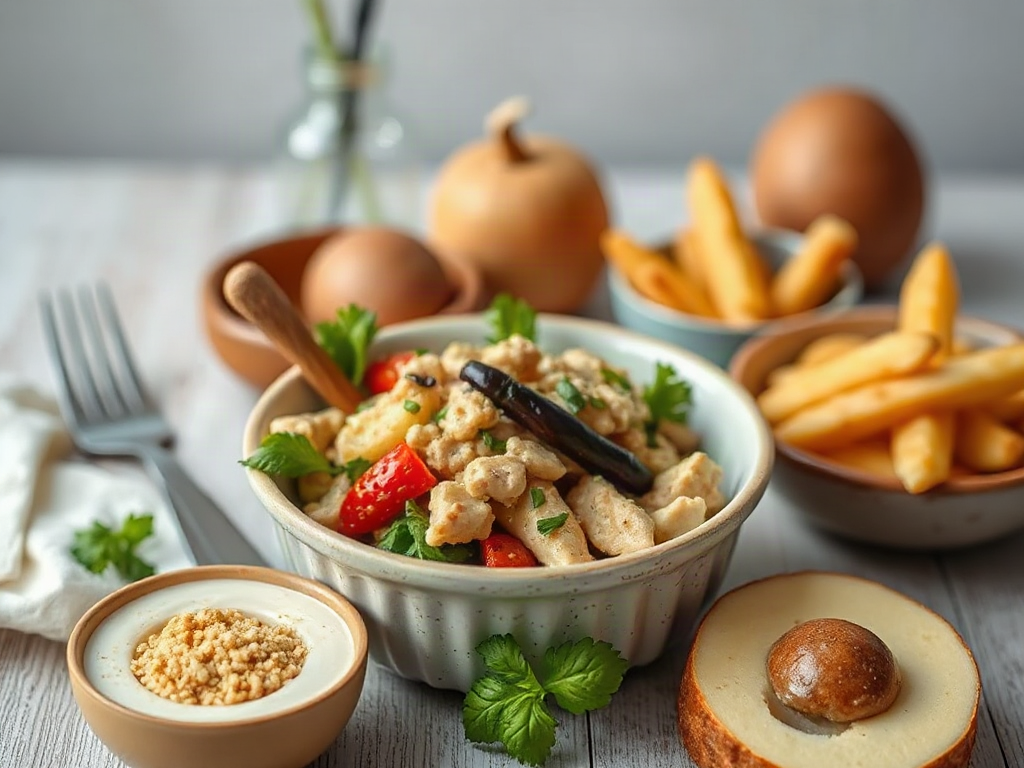
High-protein meals that support weight loss combine a substantial protein source with vegetables, high-fiber carbohydrates, and a measured amount of fat so meals stay filling without becoming calorie-dense. Greek yogurt with berries, eggs with vegetables and whole-grain toast, chicken with roasted vegetables, lentil bowls, and salmon with greens can all fit this approach.
SIBO-friendly foods and common tolerance considerations: Portions, Preparation, and Symptom Tracking
Whole Food

SIBO-friendly foods and common tolerance considerations: Portions, Preparation, and Symptom Tracking

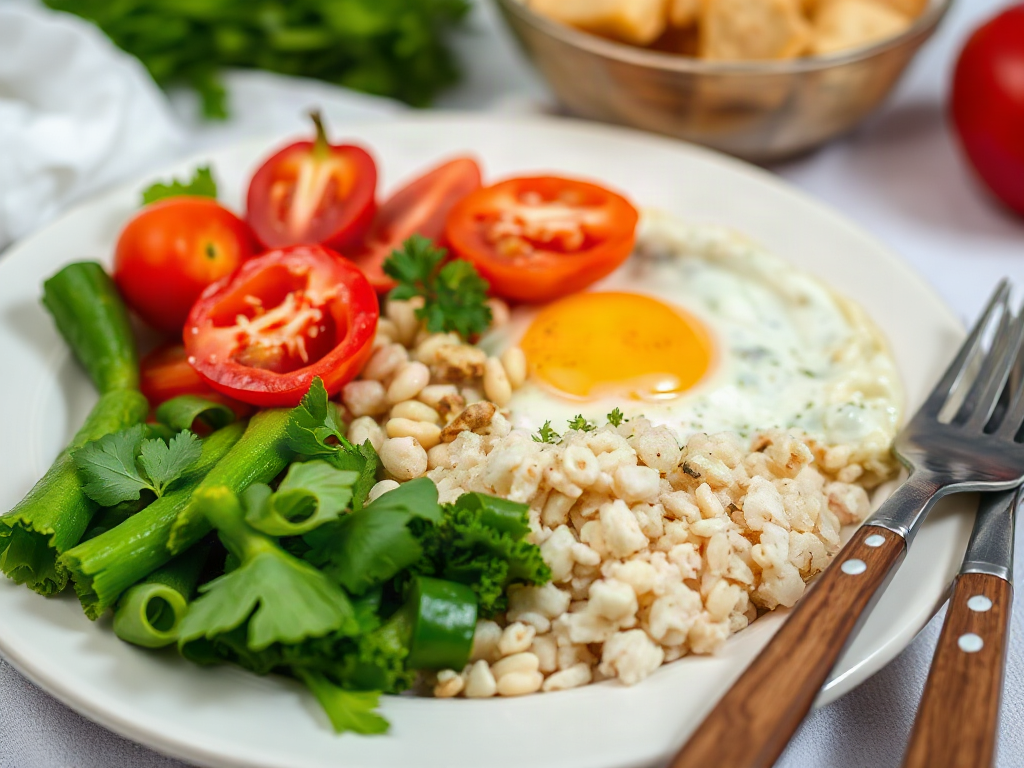
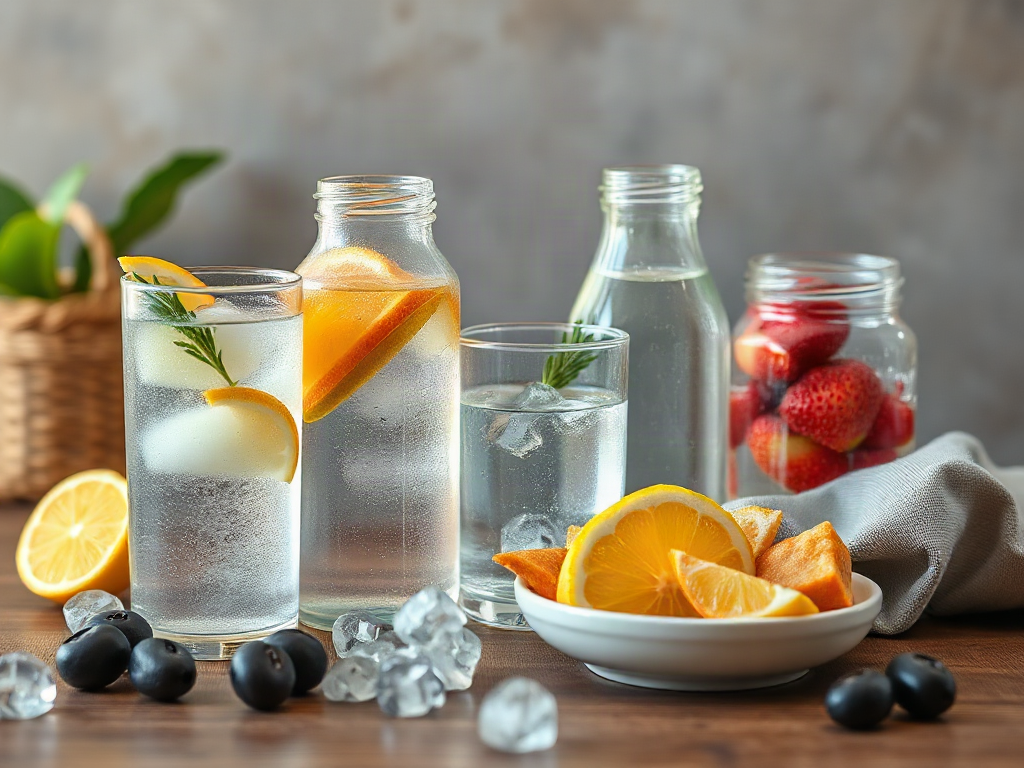
SIBO-friendly foods and common tolerance considerations depend on fermentable carbohydrate content, portion size, preparation, symptom pattern, and the cause of digestive symptoms. Many people begin with simpler servings of eggs, fish, poultry, firm tofu, rice, oats, carrots, zucchini, spinach, citrus, or berries, then adjust based on individual response rather than…

Low-Potassium Foods for Everyday Meal Planning Without Losing Variety
Whole Food

Low-Potassium Foods for Everyday Meal Planning Without Losing Variety

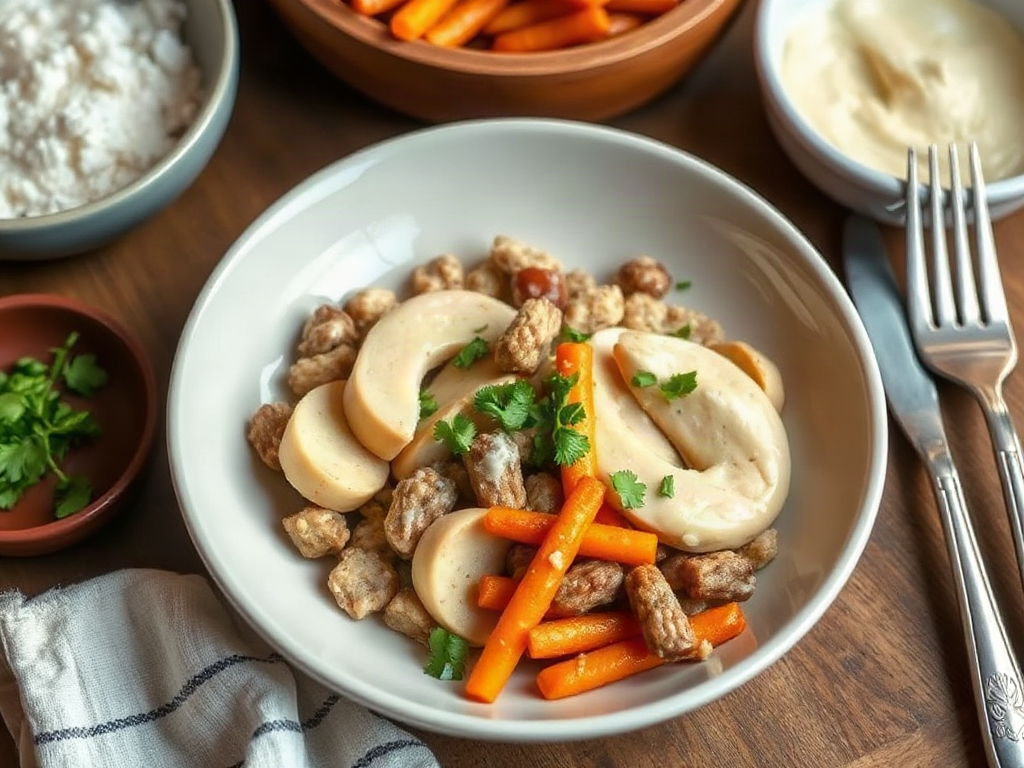
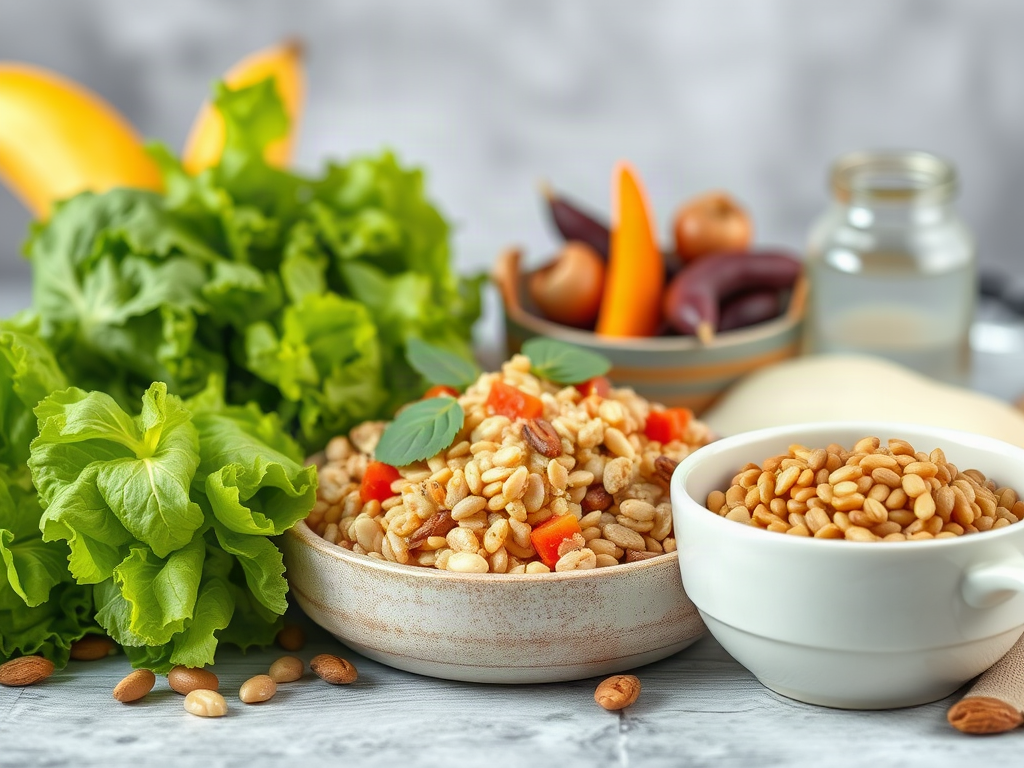
Low-potassium foods for everyday meal planning include refined grains, apples, berries, grapes, cabbage, cauliflower, green beans, cucumbers, peppers, eggs, unsalted poultry, and fresh fish, with portions and preparation methods matched to individual medical advice. Potassium content varies by serving size, processing, and cooking, so a naturally low-potassium ingredient can become…

Calorie-Dense Foods That Support Weight Gain — Whole-Food Additions, Portions, and Meal Timing
Whole Food

Calorie-Dense Foods That Support Weight Gain — Whole-Food Additions, Portions, and Meal Timing

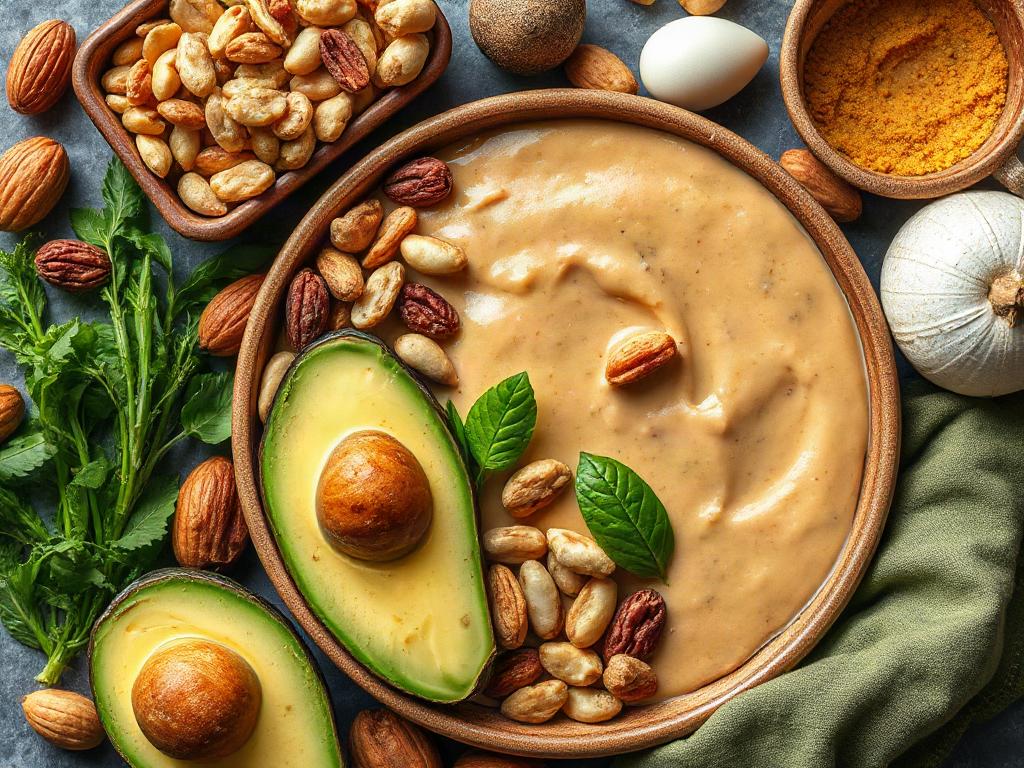
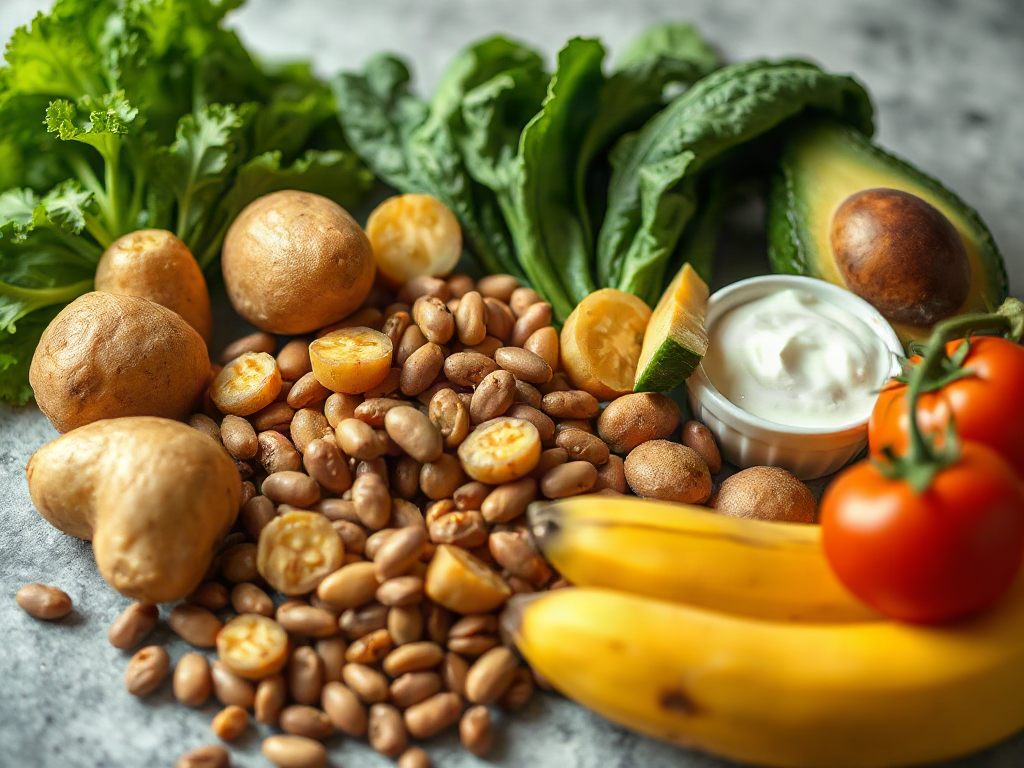
Calorie-dense foods that support weight gain include nuts, seeds, nut and seed butters, avocado, olive oil, full-fat dairy, eggs, legumes, dried fruit, and hearty grains, especially when added to balanced meals. These ingredients increase energy intake without requiring oversized portions, while protein, carbohydrates, fats, and micronutrients help make the gain more nutritionally useful.

Scroll to Top