

Plant-Based Diet for Longevity and Nutrient Adequacy—A Practical Food and Nutrient Checklist
Explore plant-based diet for longevity and nutrient adequacy through what longevity-oriented, considering the conditions that change the outcome.
Explore plant-based diet for longevity and nutrient adequacy through what longevity-oriented, considering the conditions that change the outcome.
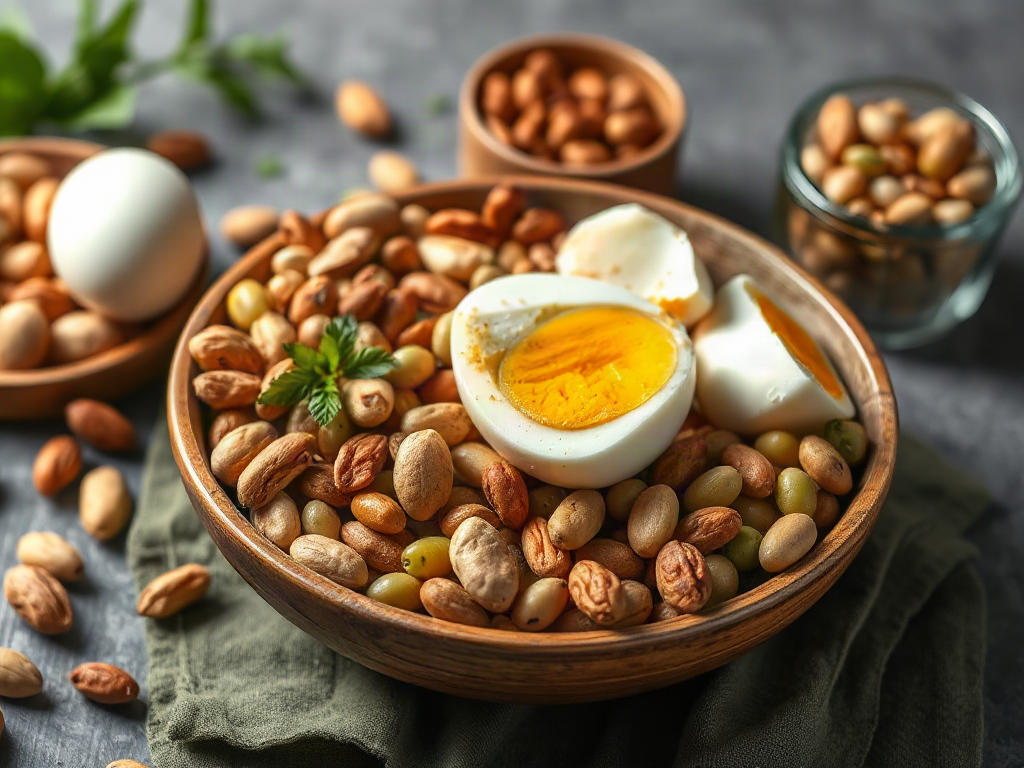
Omega 6 foods and dietary balance depend less on eliminating seed oils than on choosing varied whole-food sources, including nuts, seeds, legumes, eggs, and poultry, while limiting heavily processed foods that supply concentrated refined oils.
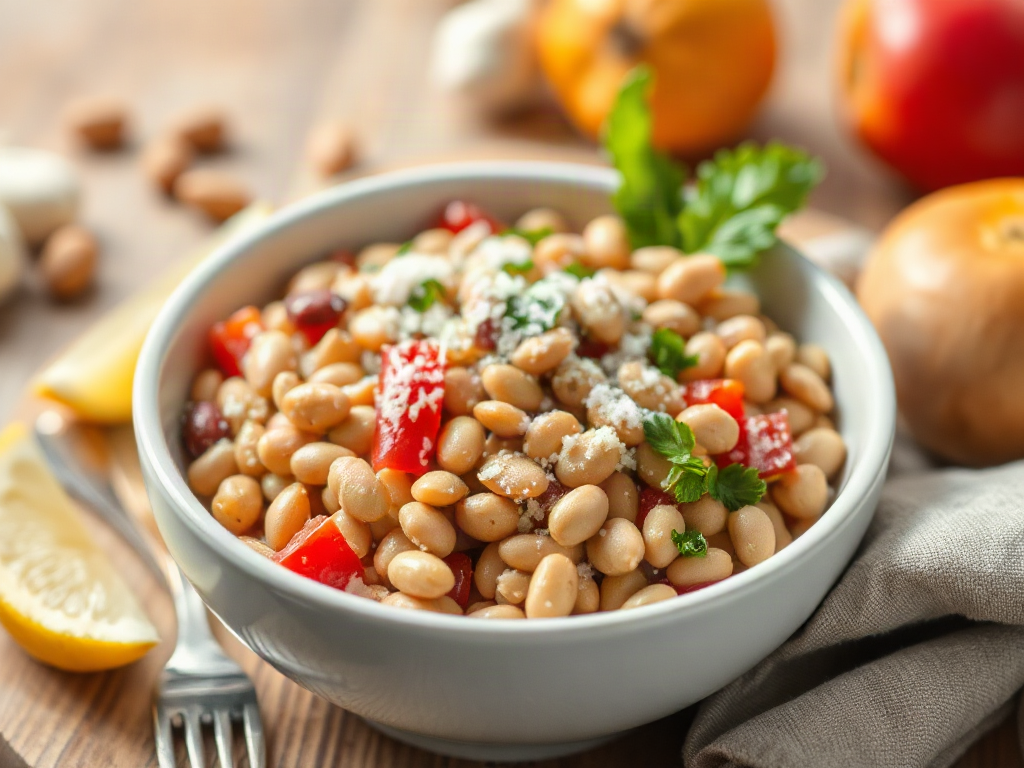
No salt diet food choices and flavor alternatives work best when meals are built around fresh produce, unsalted grains, beans, plain proteins, and layered seasonings such as garlic, citrus, vinegar, herbs, spices, and toasted aromatics.

The Mediterranean diet pyramid places vegetables, fruit, whole grains, beans, herbs, nuts, and olive oil at the daily foundation, with fish, seafood, eggs, poultry, yogurt, and cheese eaten regularly in moderate portions and red meat, sweets, and highly processed foods used less often.
Plant food protein sources for complete meals work best when legumes, soy foods, grains, nuts, seeds, or vegetables are combined across the day to provide varied amino acids, enough total protein, and useful supporting nutrients.
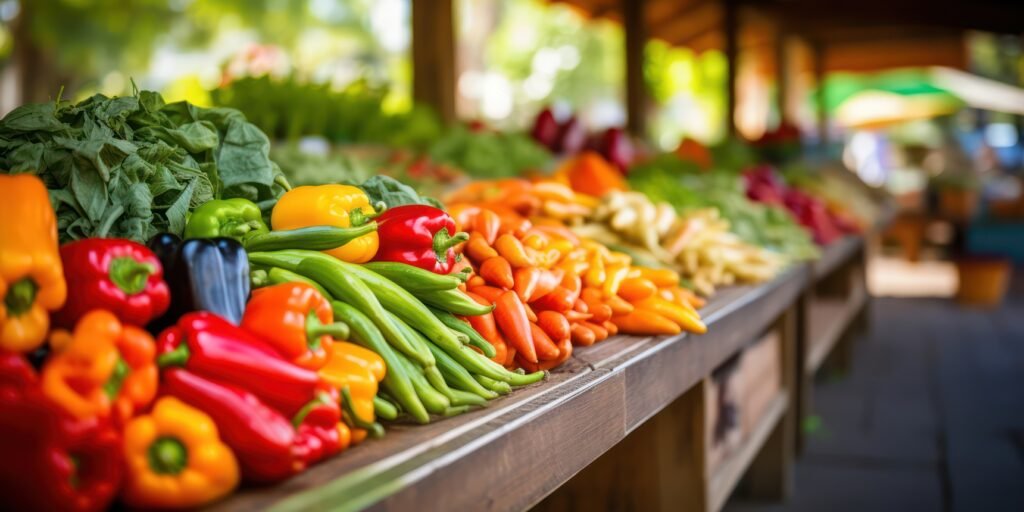
Whole food diet before and after changes usually shows the clearest differences when refined snacks, sugary drinks, and heavily processed meals are replaced with vegetables, fruit, legumes, whole grains, nuts, seeds, and minimally processed proteins.
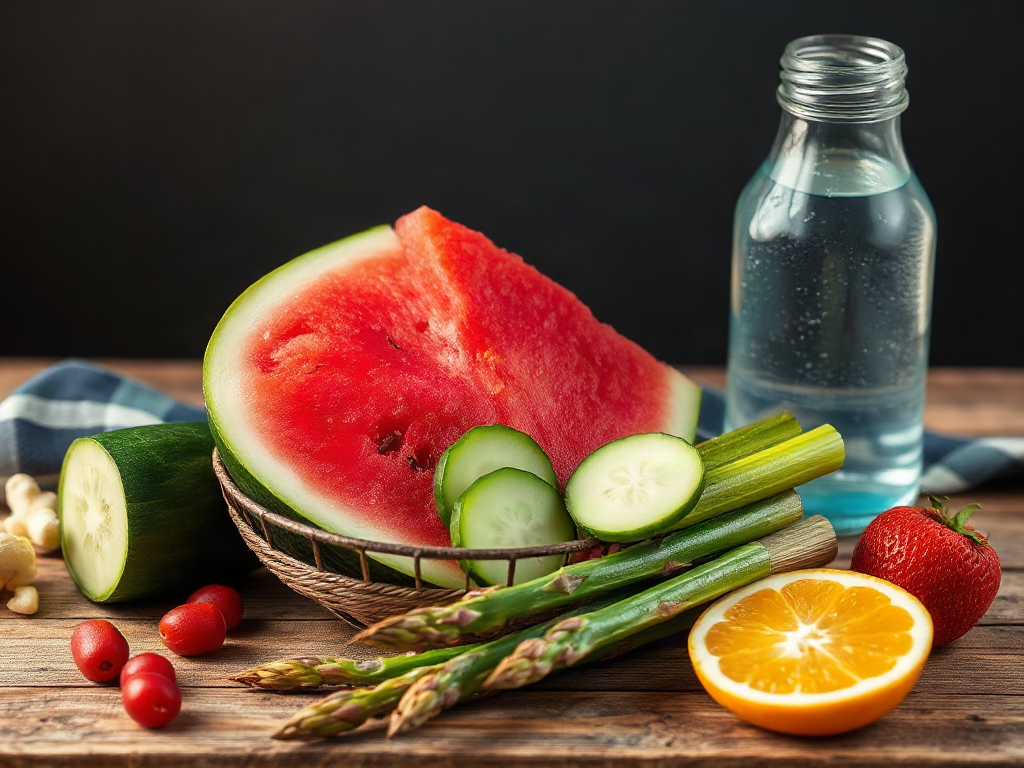
Natural diuretic foods and hydration cautions matter because foods such as watermelon, cucumber, asparagus, celery, citrus, and caffeinated drinks may increase urine output modestly while also supplying water or electrolytes. Their effect is usually milder than prescription diuretics, but large amounts, hot weather, vomiting, diarrhea, kidney disease, or medicines that…

Mediterranean diet for brain health fundamentals center on a consistent eating pattern built around vegetables, fruit, beans, whole grains, nuts, olive oil, and seafood, while limiting highly processed foods and excess saturated fat. Its potential brain-health value may come from combined effects on vascular function, inflammation, blood sugar regulation, and…

Fermented foods for gut health and tolerance may support digestive variety when introduced gradually, but tolerance depends on the food, portion, fermentation process, and a person’s symptoms. Yogurt with live cultures, kefir, sauerkraut, kimchi, miso, tempeh, and fermented pickles offer different microbes, fibers, acidity, and levels of histamine or fermentable carbohydrates.
Primal diet food rules emphasize meat, fish, eggs, vegetables, fruit, nuts, seeds, and minimally processed fats while limiting grains, legumes, refined sugar, and highly processed products. The main nutritional tradeoff is that removing grain-based foods and beans may reduce fiber, folate, and affordable plant protein unless vegetables, fruit, nuts, seeds…