Whole Food

Green Foods With the Most Useful Nutrients for Everyday Meals
Whole Food

Green Foods With the Most Useful Nutrients for Everyday Meals

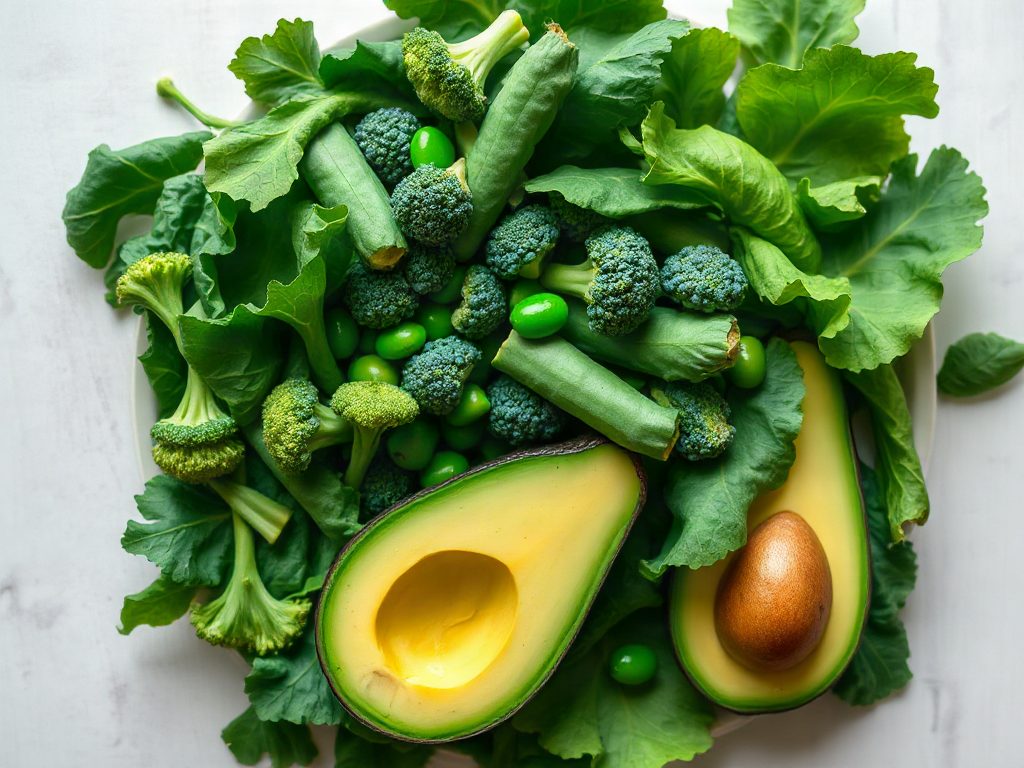
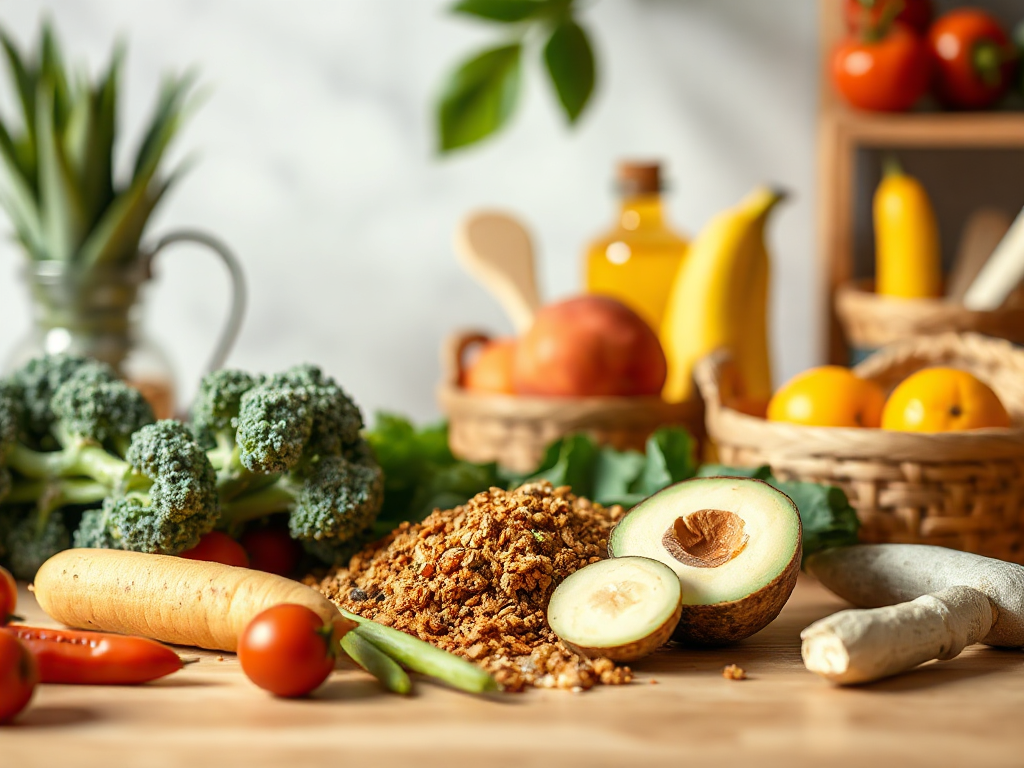
Green foods with the most useful nutrients include leafy greens, broccoli, peas, avocado, kiwi, herbs, and legumes because they combine fiber with vitamins, minerals, healthy fats, or plant compounds. Spinach and kale provide folate, vitamin K, and carotenoids; broccoli contributes vitamin C and sulforaphane-related compounds; peas and green beans add…

Whole Food

What To Do If You Experience Cravings After Eating Whole Foods: Causes, Timing, And Satisfying Meal Adjustments

If you experience cravings after eating whole foods, check whether your meal supplied enough energy, protein, fat, carbohydrate, fluid, and satisfaction before reaching for another snack. Cravings may reflect an undersized meal, long gaps between meals, intense activity, poor sleep, stress, habit, or a desire for a specific taste rather than a nutrient deficiency.

Whole Food

What To Prioritize When Incorporating Whole Foods: A Practical Meal-Building Checklist

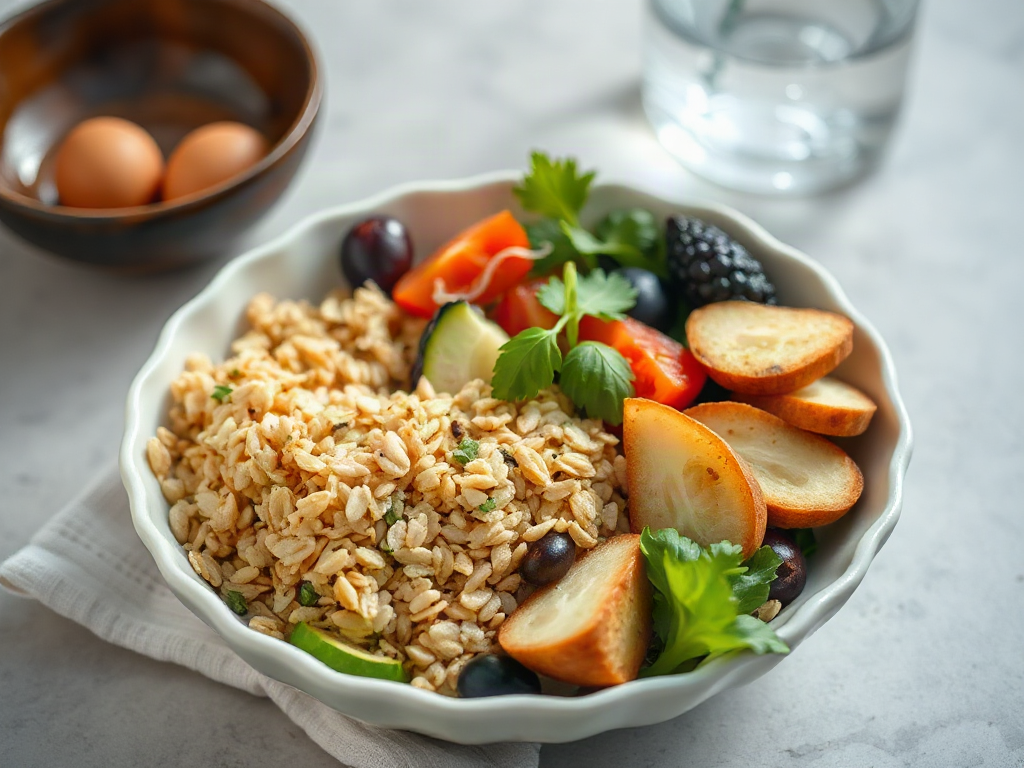
When incorporating whole foods, prioritize dietary balance, minimally processed ingredients, adequate protein and fiber, personal tolerance, and meals you can prepare consistently. Build plates around vegetables or fruit, beans or another protein source, whole grains or starchy vegetables, and a modest amount of unsaturated fat rather than chasing isolated “superfoods.”…

Whole Food

Steps to Take If Your Body Reacts Negatively to Whole Foods: Symptoms, Causes, and a Safe Reset

If your body reacts negatively to whole foods, stop the suspected item temporarily, record the food, portion, preparation, symptoms, and onset, then seek medical advice for severe or recurring reactions. Bloating, cramps, diarrhea, headache, flushing, or itching can reflect intolerance, rapid increases in fiber, food poisoning, allergy, medication interactions, or an unrelated digestive condition.

Scroll to Top